

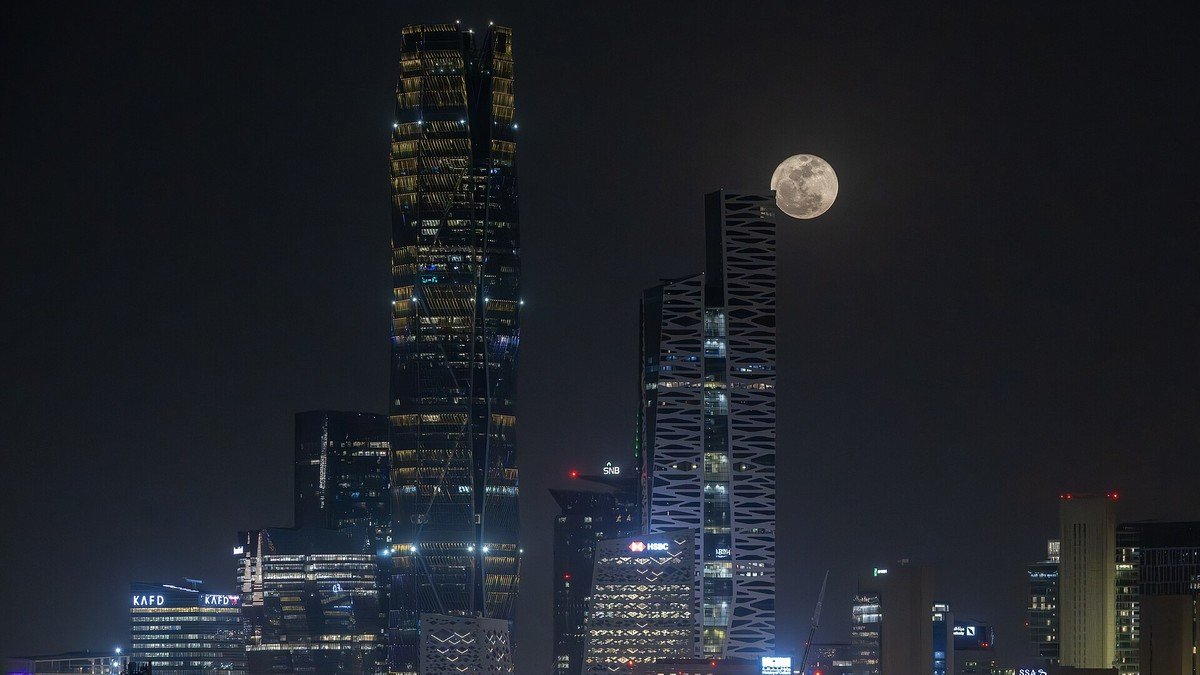
Saudi Arabia and Japan deepened their strategic energy alliance in Riyadh on Friday as Saudi Minister of Energy Prince Abdulaziz bin Salman and Japanese Minister of Economy, Trade and Industry (METI) Muto Yoji co-chaired the Saudi-Japan Ministerial Energy Dialogue and Investment Roundtable. The high-level gathering produced a series of memoranda of understanding aimed at transforming decades of traditional crude oil trade into a comprehensive partnership spanning clean hydrogen, low-carbon ammonia, and critical minerals.
During the talks—representing Muto Yoji's first overseas diplomatic mission since his appointment in Prime Minister Shigeru Ishiba's cabinet—both ministers reaffirmed that reliable hydrocarbon supplies and pragmatic decarbonization pathways must advance simultaneously to safeguard global energy security. Saudi Arabia remains Japan's single largest crude oil supplier, providing roughly 40% of the East Asian nation's petroleum imports, backed by joint storage facilities in Okinawa.
Commercializing Clean Hydrogen, Low-Carbon Ammonia, and Circular Carbon
Under the new clean energy accords, Saudi Aramco, SABIC, and ACWA Power will expand technical and commercial collaboration with major Japanese utilities, trading houses, and heavy engineering firms including JERA, Mitsubishi, Mitsui, and IHI. The initiatives focus on scaling international maritime shipments of blue and green ammonia for co-firing in Japanese thermal power plants, as well as developing carbon capture, utilization, and storage (CCUS) hubs and synthetic e-fuels.
A second pillar of the Riyadh agreements centers on critical minerals and industrial supply chain resilience. Working alongside Saudi Arabia's Ministry of Industry and Mineral Resources and state mining champion Ma'aden, Japanese public agency JOGMEC and private industrial groups will evaluate joint exploration, processing, and refining ventures for copper, nickel, lithium, and rare earth elements across the Arabian Shield and partner regions in Africa and Central Asia.
“Saudi Arabia and Japan are expanding a trusted decades-long energy partnership into the frontier of clean hydrogen, low-carbon ammonia, and resilient critical mineral supply chains.” — Ministry of Economy, Trade and Industry of Japan (METI)
Securing Critical Mineral Supply Chains Under Saudi-Japan Vision 2030
The ministerial agreements advance the 'Lighthouse Initiative for Clean Energy Cooperation' and the broader Saudi-Japan Vision 2030 framework, which links the Kingdom's economic diversification drive with Tokyo's Green Transformation (GX) industrial strategy. Japanese financial institutions and industrial manufacturers also signed corporate cooperation pacts covering solar photovoltaics, grid-scale battery storage, medical technology, and water desalination.
Both delegations emphasized that establishing transparent international certification standards for low-carbon hydrogen and ammonia will be vital to unlocking long-term offtake contracts between Middle Eastern producers and Asian industrial buyers. The Riyadh meetings concluded with a commitment to accelerate joint working groups ahead of upcoming G20 and COP29 climate discussions.
Frequently Asked Questions
What agreements did Saudi Arabia and Japan sign in Riyadh?
Saudi Arabia and Japan signed memoranda of understanding to build commercial clean hydrogen and low-carbon ammonia supply chains, advance circular carbon technologies, and co-invest in critical mineral mining and refining.
Who led the Saudi-Japan ministerial energy talks in Riyadh?
The talks were co-chaired by Saudi Minister of Energy Prince Abdulaziz bin Salman and Japanese Minister of Economy, Trade and Industry (METI) Muto Yoji.

Comments (0)
Log in to join the discussion.