

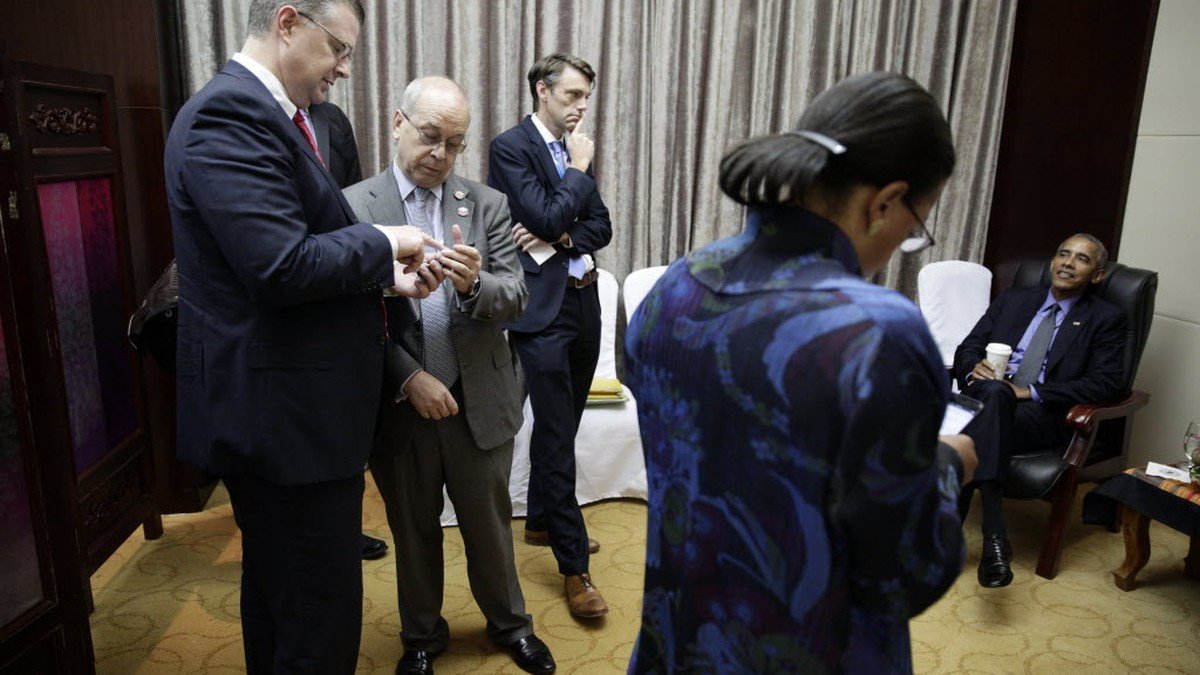
Southeast Asian heads of state and global dialogue partners wrapped up the 44th and 45th ASEAN Summits in Vientiane, Laos, sealing a series of landmark diplomatic and trade agreements aimed at bolstering regional resilience. Hosted under the chairmanship of Lao Prime Minister Sonexay Siphandone, the high-stakes gatherings produced more than 90 outcome declarations spanning digital economy integration, cross-border power grids, and supply chain connectivity.
A centerpiece achievement of the Vientiane meetings was the formal elevation of ties between the 10-nation bloc and South Korea to a Comprehensive Strategic Partnership—the highest diplomatic tier accorded by ASEAN. South Korean President Yoon Suk Yeol pledged expanded cooperation in semiconductor supply chains, smart infrastructure, cybersecurity, and defense exchanges across the Indo-Pacific.
Historic Elevation of ASEAN-South Korea Diplomatic Relations
Despite the economic breakthroughs, security deliberations were dominated by escalating maritime confrontations in the South China Sea. Philippine President Ferdinand Marcos Jr. urged fellow leaders and external partners to accelerate negotiations on a binding Code of Conduct following repeated clashes between Chinese coast guard vessels and Philippine resupply missions near contested reefs.
The protracted civil war in Myanmar also tested the bloc's diplomatic cohesion. For the first time in three years, Myanmar's ruling military junta dispatched a senior foreign ministry bureaucrat to attend summit sessions, where regional leaders reiterated calls for an immediate cessation of violence against civilians and adherence to ASEAN's Five-Point Consensus peace roadmap.
“Upgrading our partnership with South Korea and maintaining regional unity are vital as Southeast Asia navigates complex geopolitical dynamics and accelerates clean economic integration.” — Sonexay Siphandone, Prime Minister of Lao PDR and ASEAN Chair
Navigating South China Sea Tensions and the Myanmar Crisis
Dialogue sessions also brought together top diplomats from the United States, China, Japan, India, and Australia for the East Asia Summit. U.S. Secretary of State Antony Blinken and Chinese Premier Li Qiang held parallel discussions with ASEAN counterparts, underscoring Southeast Asia's delicate balancing act amid intensifying superpower competition over trade tariffs and security alliances.
At the closing ceremony, Laos formally transferred the rotating ASEAN chairmanship for 2025 to Malaysian Prime Minister Anwar Ibrahim. Kuala Lumpur vowed to prioritize inclusive economic growth, accelerate the admission of Timor-Leste as the bloc's eleventh full member, and safeguard ASEAN centrality in an increasingly polarized global order.
Frequently Asked Questions
What major diplomatic agreement was reached with South Korea at the ASEAN Summit?
ASEAN and South Korea formally upgraded their diplomatic relationship to a Comprehensive Strategic Partnership, the bloc's highest partnership tier.
Which country will assume the ASEAN chairmanship after Laos?
Malaysia, led by Prime Minister Anwar Ibrahim, officially assumed the rotating ASEAN chairmanship for 2025.

Comments (0)
Log in to join the discussion.