

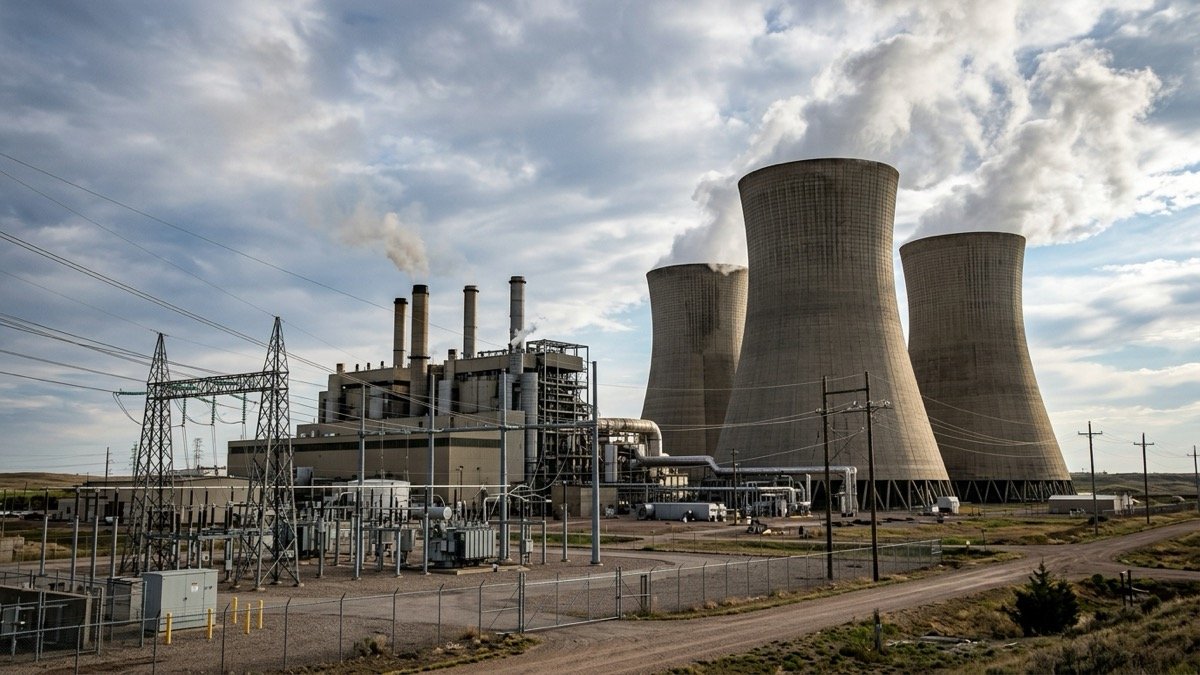
The United States Environmental Protection Agency (EPA) today issued a decisive final federal rule rescinding the comprehensive greenhouse gas performance standards promulgated under Section 111 of the Clean Air Act. The repealed framework had mandated that existing baseload coal power stations and new combined-cycle natural gas facilities achieve 90% carbon capture and storage (CCS) by 2032.
In its formal justification, the agency highlighted unprecedented strain on regional electrical interconnections, exacerbated by explosive electricity demand from hyperscale artificial intelligence data centers, domestic semiconductor fabrication plants, and heavy industrial electrification.
Grid Reliability and Escalating Industrial Electricity Demand
The rollback follows coordinated filings from regional grid operators including PJM Interconnection, MISO, and the Southwest Power Pool. Grid planners warned that premature retirement of conventional baseload thermal assets without commercially mature carbon capture technology risked widespread voltage collapse and rolling blackouts during peak winter and summer demand cycles.
| Consumer Sector | 2024 Baseline | 2030 Projection | Primary Growth Driver |
|---|---|---|---|
| AI Data Centers & Cloud Compute | 19 GW | 48 GW | Generative AI clusters, model training hubs |
| Advanced Manufacturing & Chips | 14 GW | 26 GW | CHIPS Act foundries, battery gigafactories |
| Commercial & Heavy Transportation | 8 GW | 18 GW | Fleet EV charging, electric transit corridors |
| Traditional Residential & Commercial | 380 GW | 405 GW | Heat pumps, building electrification |
Immediate Legal Challenges and Industry Divide
The decision has opened a profound divide between power generators and environmental advocates. Clean tech innovators and environmental NGOs condemned the repeal, arguing it surrenders American climate leadership and removes incentives for private investment in carbon capture infrastructure.
“Keeping the lights on and sustaining American technological competitiveness requires realistic energy policies that align regulatory timelines with genuine engineering realities.”
A coalition of sixteen state attorneys general and environmental defense funds confirmed they will file emergency petitions for review in the U.S. Court of Appeals for the District of Columbia Circuit, setting up a definitive legal showdown over federal environmental authority.

Comments (0)
Log in to join the discussion.