

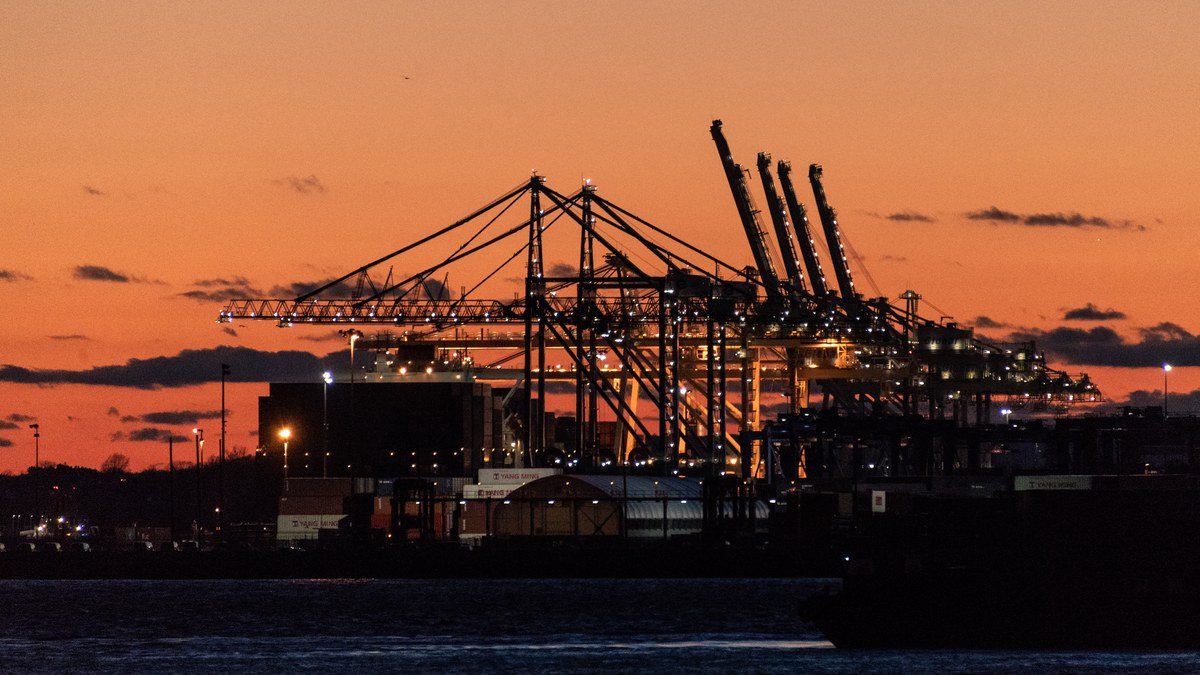
Port authorities, ocean carriers, and major American retailers entered emergency contingency mode on Saturday as the clock ticked down toward a Tuesday, October 1 strike deadline by 45,000 members of the International Longshoremen's Association (ILA) across 36 East and Gulf Coast ports stretching from Maine to Texas.
If no eleventh-hour breakthrough is reached before the current six-year master contract expires at 11:59 p.m. on Monday, September 30, the walkout would represent the first coastwide ILA work stoppage since 1977. Together, the affected maritime gateways—including the Port of New York and New Jersey, Savannah, Virginia, Charleston, and Houston—handle approximately 50% of all US containerized imports.
Standoff Over Wages and Terminal Automation Threatens First Walkout Since 1977
Formal negotiations between the union and the United States Maritime Alliance (USMX), which represents international container carriers and terminal operators, have been suspended since June. The standoff centers on the union's demand for a 77% cumulative wage increase over six years to offset inflation and record shipping industry profits, alongside an ironclad ban on semi-automated and fully automated terminal equipment.
USMX accused union leadership of refusing to return to the bargaining table despite industry offers of nearly 40% wage hikes and continued restrictions on fully automated cranes. The White House reiterated on Friday that President Joe Biden does not intend to invoke the federal Taft-Hartley Act to force dockworkers back to work, urging both parties to reach a negotiated settlement at the bargaining table.
“A coastwide maritime work stoppage across East and Gulf Coast terminals would disrupt billions of dollars in daily commerce and strain supply chains ahead of the peak holiday season.”
Extended Gate Hours and Contingency Plans Across Major Hubs
Across the Eastern Seaboard and Gulf Coast, port terminals kept gates open through the weekend to allow drayage trucks and rail operators to clear imported containers—particularly time-sensitive pharmaceuticals, perishable agricultural produce, and automotive parts—before picket lines go up. Ocean carriers simultaneously announced hefty congestion surcharges ranging from $1,000 to $3,000 per container Starting in October.
Supply chain analysts at JPMorgan and Oxford Economics estimate that a comprehensive shutdown of East and Gulf Coast container and roll-on/roll-off terminals could cost the United States economy between $3.8 billion and $4.5 billion per day, with every week of strike activity requiring up to a month of backlog clearance once operations resume.



Comments (0)
Log in to join the discussion.