

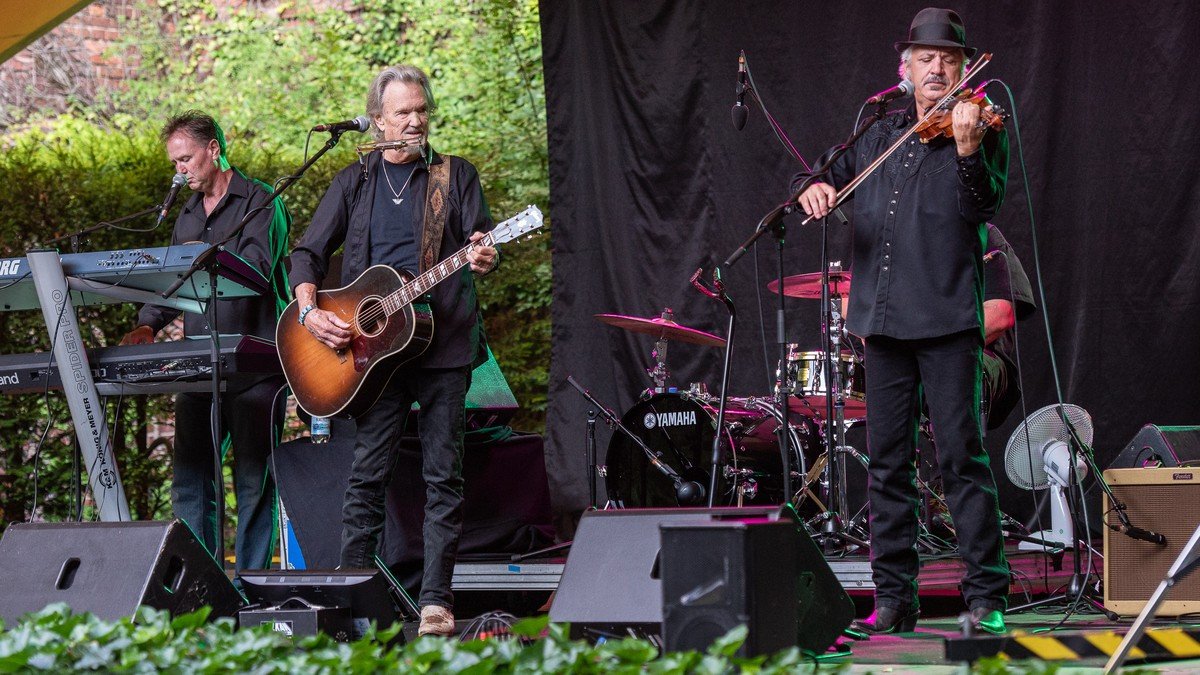
Kris Kristofferson, the towering American singer-songwriter and rugged film star whose raw, literary compositions infused traditional country music with the soul of countercultural poetry, died peacefully on Saturday at his home in Maui, Hawaii, surrounded by family. He was 88. His family confirmed his passing in an official statement Sunday without specifying a cause.
Born in Brownsville, Texas, on June 22, 1936, Kristofferson followed an extraordinary path to stardom. After earning a literature degree at Pomona College and studying William Blake at Oxford University on a prestigious Rhodes Scholarship, he became a U.S. Army Ranger and helicopter pilot, rising to the rank of captain. In 1965, he famously turned down a West Point teaching appointment to move to Nashville, where he swept floors as a janitor at Columbia Recording Studios while pitching songs to his musical heroes.
From Rhodes Scholar and Army Captain to Nashville's Literary Outlaw
His breakthrough arrived when Johnny Cash—captivated after Kristofferson famously landed a National Guard helicopter on Cash's front lawn to hand-deliver a demo tape—recorded 'Sunday Mornin' Comin' Down,' earning Kristofferson Songwriter of the Year honors from the Country Music Association in 1970. Soon after, Janis Joplin's posthumous recording of his ballad 'Me and Bobby McGee' topped the Billboard Hot 100, while Sammi Smith's rendition of 'Help Me Make It Through the Night' won the Grammy Award for Best Country Song.
By bringing candor about loneliness, hangover vulnerability, and sensual intimacy to Music Row, Kristofferson helped spearhead the Outlaw Country movement. In 1985, he joined forces with Johnny Cash, Waylon Jennings, and Willie Nelson to form the legendary supergroup The Highwaymen, cementing his stature in the Country Music Hall of Fame and the Songwriters Hall of Fame.
“Kris Kristofferson brought an unmatched poetic honesty to American songwriting, transforming Nashville storytelling forever and inspiring generations of artists across genres.”
Hollywood Leading Man and Enduring Legacy with The Highwaymen
Parallel to his musical triumphs, Kristofferson commanded the silver screen for four decades. He starred in Sam Peckinpah's 'Pat Garrett and Billy the Kid' (1973), Martin Scorsese's 'Alice Doesn't Live Here Anymore' (1974), and Michael Cimino's 'Heaven's Gate' (1980), and won the Golden Globe for Best Actor in a Musical or Comedy opposite Barbra Streisand in the 1976 blockbuster 'A Star Is Born.'
A newer generation of cinema audiences knew him as Abraham Whistler, the grizzled mentor and weaponsmith alongside Wesley Snipes in Marvel's 'Blade' trilogy. Awarded a Grammy Lifetime Achievement Award in 2014, Kristofferson is survived by his wife of 41 years, Lisa Meyers, eight children, and seven grandchildren.


Comments (0)
Log in to join the discussion.