

President Joe Biden approved Major Federal Disaster Declarations for North Carolina and Georgia on Saturday, accelerating a massive influx of federal funding and emergency personnel to communities devastated by Hurricane Helene. The White House action comes as historic flash flooding, catastrophic landslides, and widespread utility failures left hundreds of towns across Southern Appalachia isolated without power, clean water, or cellular communications.
Following urgent requests from North Carolina Governor Roy Cooper and Georgia Governor Brian Kemp, the president's authorizations immediately unlock Federal Emergency Management Agency (FEMA) Individual Assistance programs across dozens of hard-hit counties, including Buncombe, Henderson, Watauga, and Mitchell in western North Carolina, as well as Lowndes and Richmond counties in Georgia.
Immediate Federal Aid Unlocked for Flood-Ravaged Mountain Communities
Under the Major Disaster framework, eligible homeowners and renters can apply directly for federal grants to cover temporary housing, urgent home repairs, uninsured personal property losses, and crisis medical expenses. The declarations also activate low-interest disaster recovery loans through the U.S. Small Business Administration for affected businesses and private nonprofits.
In addition to direct household aid, the directives provide Public Assistance cost-sharing on a federal reimbursement basis for state, tribal, and local governments. These funds support round-the-clock emergency protective measures, debris clearance along washed-out mountain corridors such as Interstate 40 and Interstate 26, and the rapid restoration of municipal water treatment facilities.
“My administration is mobilizing every available federal resource to support governors, mayors, and first responders as we conduct life-saving search and rescue and begin rebuilding shattered communities.”
Massive Search-and-Rescue and Infrastructure Restoration Mobilization
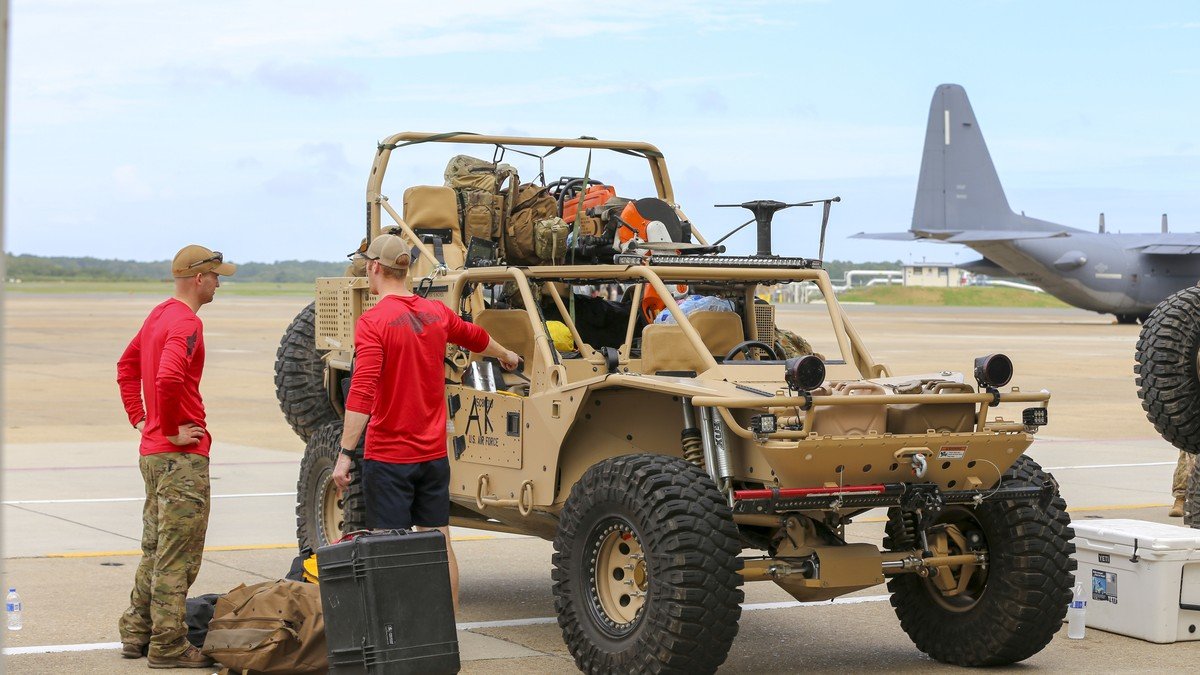
FEMA Administrator Deanne Criswell traveled to the region to coordinate operations alongside state emergency management directors. More than 1,500 federal personnel are now operating on the ground, supported by swift-water rescue squads, U.S. Coast Guard aviation units, and U.S. Army Corps of Engineers power restoration specialists.
Federal logistics hubs have already staged millions of liters of bottled water, shelf-stable meals, high-capacity industrial generators, and satellite communications terminals to bridge connectivity blackouts in mountainous terrain. White House officials affirmed that additional county designations and increased federal cost-share adjustments will be processed swiftly as damage assessments continue.



Comments (0)
Log in to join the discussion.