

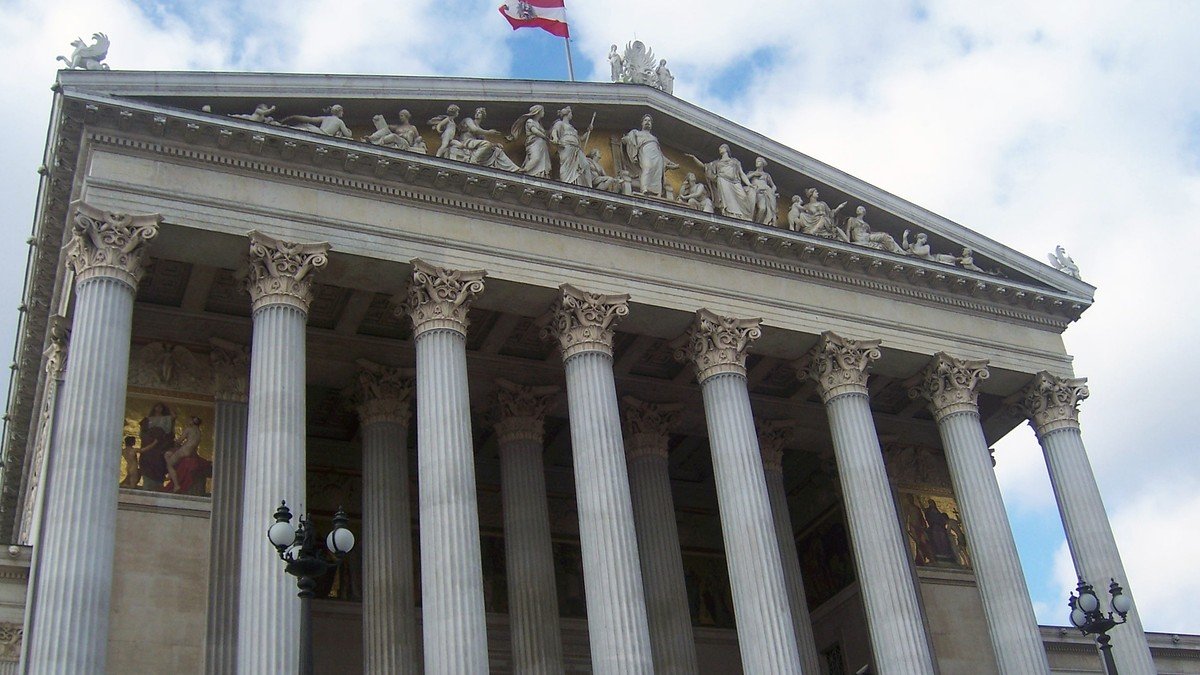
Polling stations opened across Austria on Sunday morning as more than 6.3 million eligible citizens cast their ballots in a pivotal National Council (Nationalratswahl) parliamentary election expected to reshape the Alpine republic's political landscape and set off weeks of intricate coalition negotiations in Vienna.
At stake are all 183 seats in the lower house of the Austrian Parliament. For the past five years, the country has been governed by an unprecedented coalition between Chancellor Karl Nehammer's conservative Austrian People's Party (ÖVP) and Vice Chancellor Werner Kogler's environmentalist Greens—an alliance forged in early 2020 that navigated the COVID-19 pandemic, energy supply shocks following Russia's invasion of Ukraine, and severe mid-September flooding across Lower Austria.
Three-Way Battle for the Chancellery and Economic Headwinds
Pre-election polling indicated a razor-thin contest at the top between the governing ÖVP and the right-wing populist Freedom Party of Austria (FPÖ), led by former Interior Minister Herbert Kickl. Campaigning on strict border controls, skepticism toward European Union sanctions, and cost-of-living relief, the FPÖ has sought to secure first place in a national parliamentary vote for the first time in its history, while Andreas Babler's center-left Social Democratic Party (SPÖ) campaigned on wealth taxes, rent caps, and public healthcare investment.
Smaller parties—including the pro-business liberal NEOS led by Beate Meinl-Reisinger, the governing Greens, the Communist Party of Austria (KPÖ), and the satirical Beer Party—also vied to clear the 4 percent national electoral threshold required for parliamentary representation, potentially becoming indispensable kingmakers in a fragmented legislature.
“Every ballot cast strengthens our constitutional democracy as citizens determine the legislative course for Austria's economic competitiveness, social cohesion, and European leadership.”
Coalition Arithmetic and President Van der Bellen's Constitutional Role
Even if the FPÖ emerges as the largest single faction when preliminary results and record postal ballots are tallied by Interior Ministry officials on Sunday evening, its path to the chancellery remains heavily contested. Chancellor Nehammer has repeatedly ruled out forming a coalition government with Kickl personally, while the SPÖ, Greens, and NEOS have categorically rejected any partnership with the FPÖ.
Under Austria's constitution, Federal President Alexander Van der Bellen holds broad discretion in entrusting a party leader with the mandate to form a stable parliamentary majority. Analysts note that if Nehammer's conservatives and Babler's Social Democrats pursue a renewed 'grand coalition,' they may invite the liberal NEOS or the Greens as a third partner to secure a durable working majority in the National Council.

Comments (0)
Log in to join the discussion.