


Indonesian President Joko Widodo has inaugurated PT Amman Mineral Internasional's $1.4 billion (21 trillion rupiah) copper smelter and precious metals refinery in West Sumbawa, West Nusa Tenggara, marking a culminating milestone in his administration's decade-long industrial downstreaming ('hilirisasi') campaign. Accompanied by Minister of Energy and Mineral Resources Bahlil Lahadalia and Minister of State-Owned Enterprises Erick Thohir, the president commissioned the complex just days after inaugurating PT Freeport Indonesia's single-line copper smelter in Gresik, East Java.
Constructed on an industrial coastal site near Amman Mineral's Batu Hijau copper-and-gold mine, the West Sumbawa smelter has an input capacity of 900,000 metric tons of copper concentrate per year, sourced from both the Batu Hijau mine and the upcoming Elang deposit. Using double-flash smelting technology, the plant will produce approximately 222,000 tons of 99.99-percent pure LME Grade A copper cathodes annually, along with 830,000 tons of sulfuric acid as an industrial byproduct.
Precious Metals Refining and Domestic Value Multiplication
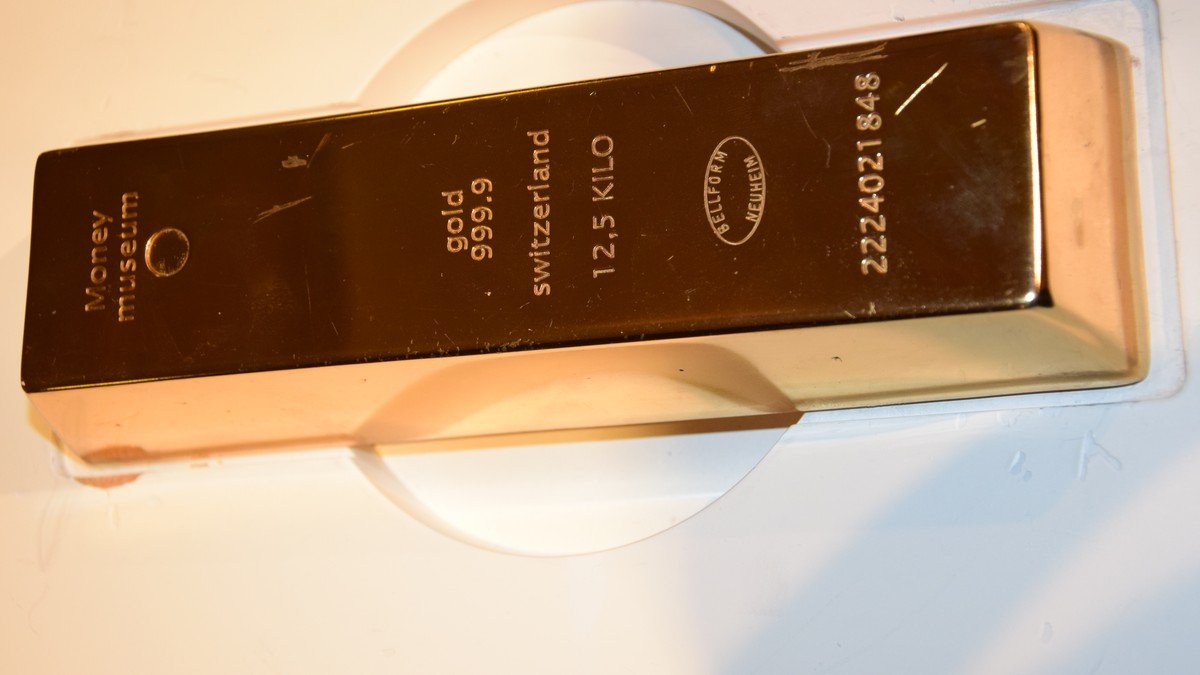
In addition to copper cathodes, the integrated Precious Metals Refinery (PMR) within the West Sumbawa complex will process anode slime to yield 18 tons (approximately 580,000 troy ounces) of 99.99-percent pure gold bars, 55 tons of pure silver bullion, and 77 tons of selenium each year. Previously, Indonesia exported vast volumes of unrefined copper concentrate overseas, allowing foreign smelters to capture the downstream refining margins and precious metal byproducts.
Speaking at the inauguration ceremony, President Widodo emphasized that shifting Indonesia's economic structure from reliance on domestic consumption and raw commodity exports toward industrial manufacturing and downstream processing is essential for lifting the nation into high-income status. Following earlier export bans and domestic processing mandates for nickel and bauxite—which increased Indonesia's nickel export value from under $3 billion to more than $33 billion—copper represents the next strategic pillar of industrial transformation.
“For decades Indonesia exported raw mineral ore with minimal domestic value. Today's copper smelter operations ensure that industrial value-add, skilled jobs, and state revenues remain in Indonesia.”
Supplying Global Electrification and Semiconductor Chains
Together, the newly commissioned Amman Mineral smelter in West Sumbawa and Freeport Indonesia's $3.7 billion Gresik refining complex—which processes 1.7 million tons of copper concentrate annually—give Indonesia the capacity to refine nearly three million tons of copper concentrate domestically each year. Energy and Mineral Resources Minister Bahlil Lahadalia noted that domestic cathode output will directly support downstream investments in copper foil, power cables, electric vehicle motors, and renewable energy grid components.
Regional officials in West Nusa Tenggara projected that full commercial operations at the West Sumbawa smelter will generate sustained multiplier effects for local small and medium enterprises, port logistics, and technical vocational institutes, while cementing Indonesia's position as one of the world's premier integrated hubs for critical energy-transition metals.
Comments (0)
Log in to join the discussion.