

India's foreign exchange reserves have crossed the historic $700 billion threshold for the first time, surging by $12.588 billion in a single week to reach an all-time high of $704.885 billion, according to the latest Weekly Statistical Supplement released by the Reserve Bank of India (RBI). With this landmark expansion, India has become only the fourth economy in history—joining China, Japan, and Switzerland—to accumulate more than $700 billion in external reserve assets.
A detailed breakdown from the central bank showed that Foreign Currency Assets (FCA), the largest component of the overall reserve kitty, increased by $10.468 billion during the reporting week to stand at $616.154 billion. Expressed in US dollar terms, foreign currency assets reflect both active central bank intervention in the spot and forward currency markets and the appreciation or depreciation of non-US global currencies—such as the euro, British pound, and Japanese yen—held within the reserve portfolio.
Gold Holdings and Sovereign Bond Inflows Drive Surge
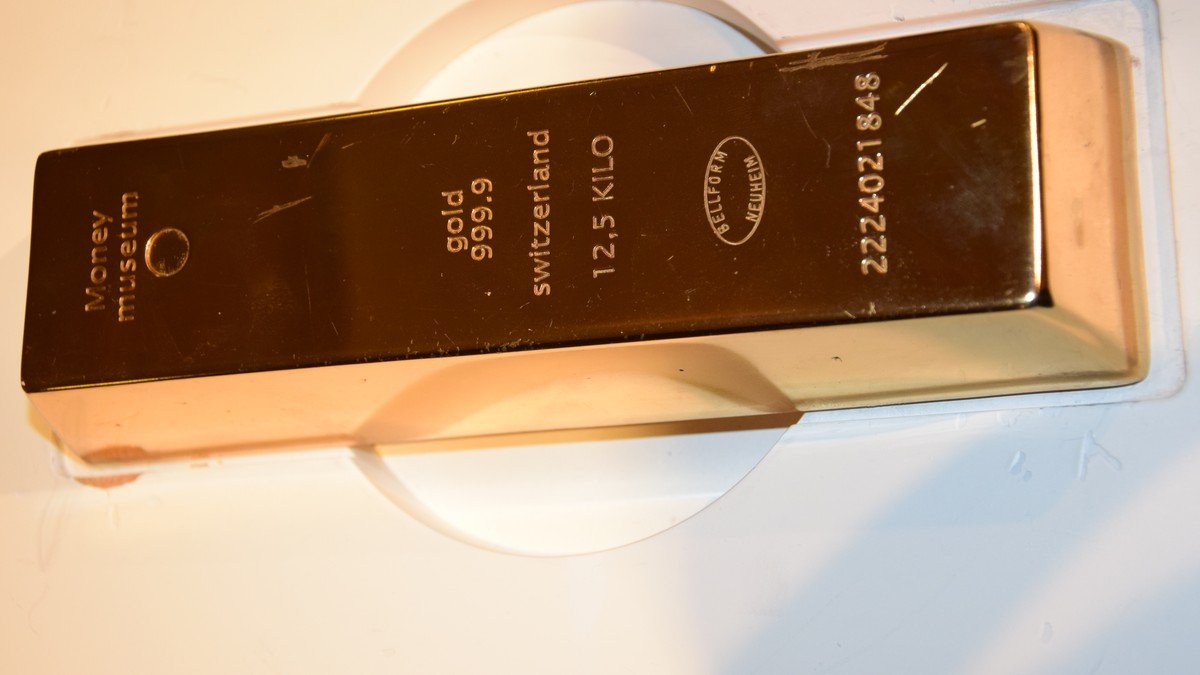
Alongside foreign currency assets, the value of the Reserve Bank of India's gold reserves rose sharply by $2.184 billion during the week to hit a record $65.796 billion, supported by sustained central bank bullion accumulation and record international gold prices following the US Federal Reserve's monetary easing cycle. Special Drawing Rights (SDRs) with the International Monetary Fund (IMF) edged up by $8 million to $18.547 billion, while India's reserve position in the IMF stood at $4.387 billion.
Economists and sovereign debt analysts noted that India's balance of payments has benefited substantially from structural foreign portfolio investment (FPI) inflows into Indian equities and government securities following India's inclusion in global emerging-market bond indices. Combined with more than $68 billion in cumulative reserve additions since the start of the calendar year, the expanding external buffer provides roughly 11.8 months of projected merchandise import cover and exceeds 100 percent of India's short-term external debt on a residual maturity basis.
“Crossing the $700 billion foreign exchange reserve milestone provides India's external sector with an unprecedented buffer against global macroeconomic volatility and currency shocks.”
Strengthening Rupee Stability and Sovereign Credit Fundamentals
The RBI's disciplined reserve accumulation strategy has enabled the Indian rupee to remain among the least volatile emerging-market currencies over the past two years. By absorbing excess dollar inflows during periods of buoyant foreign institutional investment, the central bank both prevents abrupt real effective exchange rate appreciation that could erode export competitiveness and builds a formidable war chest to smooth disorderly market fluctuations during geopolitical or commodity price shocks.
Senior officials at the Ministry of Finance and market strategists in Mumbai emphasized that crossing the $700 billion mark reinforces India's macroeconomic credibility ahead of upcoming sovereign credit rating reviews. Supported by booming information-technology and global capability center (GCC) services exports, strong diaspora remittances, and moderating crude oil import bills, India's external balance sheet enters the second half of the fiscal year from a position of historic strength.



Comments (0)
Log in to join the discussion.