

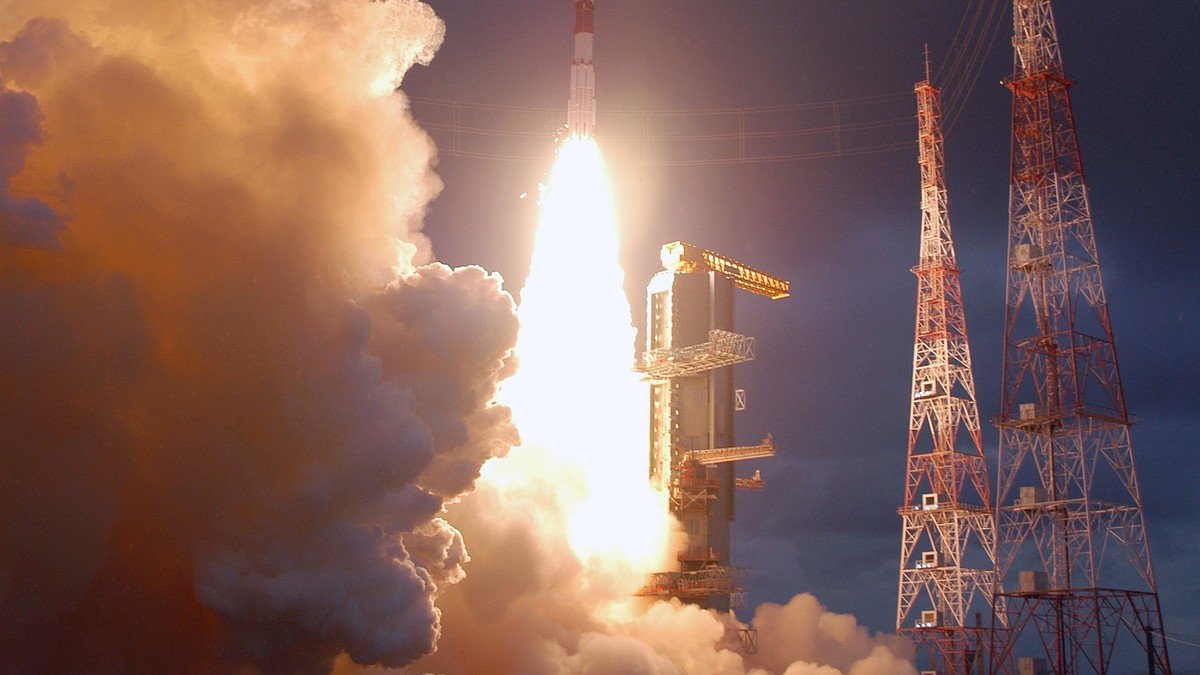
The Union Cabinet chaired by Prime Minister Narendra Modi on Wednesday granted formal financial and administrative clearance to two of India's most ambitious space exploration ventures: the Chandrayaan-4 lunar sample return mission and the Venus Orbiter Mission (VOM). The sweeping approvals cement the nation's transition from orbital demonstrations to complex deep-space robotics and sample collection.
Under the cleared roadmap, Chandrayaan-4 has been allocated ₹2,104.06 crore ($253 million) with a targeted launch by 2028. The mission represents a sophisticated technological escalation following the historic Chandrayaan-3 landing near the lunar south pole, requiring autonomous multi-module docking, precision surface drilling, robotic encapsulation, and controlled re-entry into Earth's atmosphere.
Multimodal Architecture for Lunar Sample Return
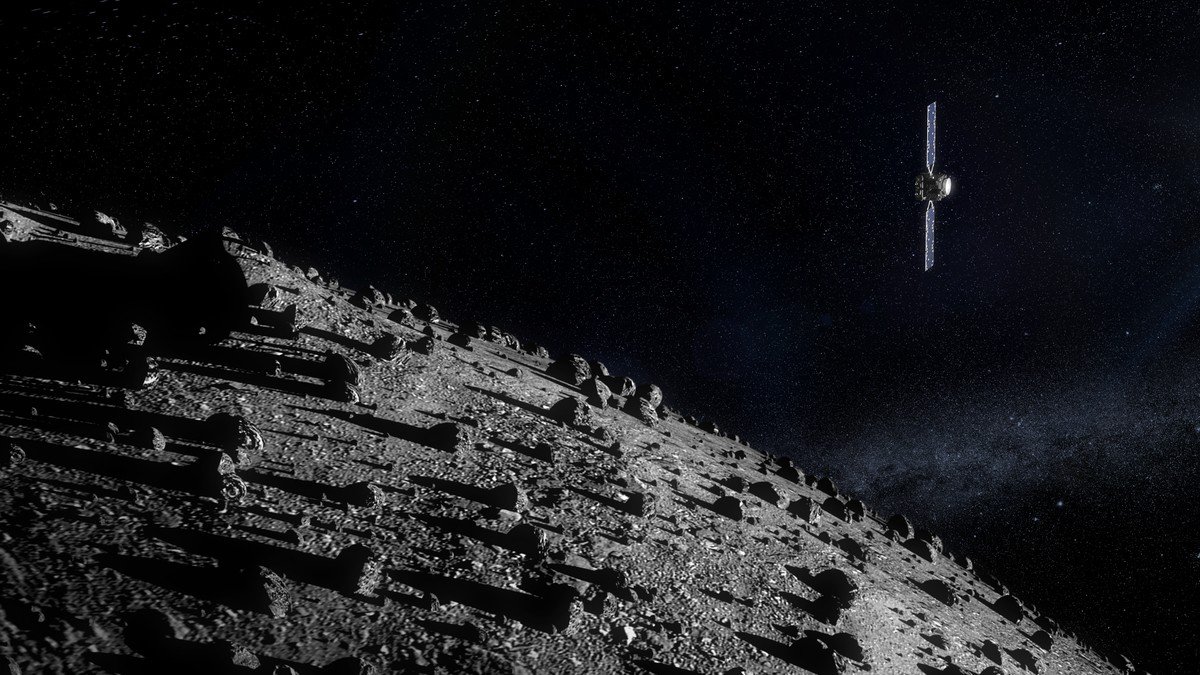
The Chandrayaan-4 architecture will deploy five discrete flight modules across two separate launches using India's LVM3 rocket. A Propulsion Module and Lander Module will execute descent and sample extraction, while an Ascender Module will lift the samples into lunar orbit to dock with a Transfer and Re-entry Module for the trans-Earth journey back home.
Concurrently, the Cabinet greenlit ₹1,236 crore ($148 million) for the Venus Orbiter Mission, designated Shukrayaan. Scheduled for launch in March 2028, the spacecraft will enter orbit around Earth's 'twin' planet to examine its dense, toxic carbon dioxide atmosphere, active volcanism, cloud chemistry, and solar wind interactions using synthetic aperture radar and infrared spectrometers.
“These historic approvals mark a decisive paradigm shift in India's space odyssey, establishing capabilities for extraterrestrial resource retrieval and planetary science that inspire future generations.”
Unlocking Venusian Atmospheric Mysteries
Alongside planetary probes, the Cabinet expanded the Gaganyaan human spaceflight project to incorporate the launch of the first base module of the Bharatiya Antariksh Station (BAS-1) by 2028. A revised budget of ₹20,193 crore will facilitate an uncrewed precursor flight, ECLSS qualification, and robotic docking tests essential for long-duration human orbital presence.
To support these gargantuan payloads, the government sanctioned the development of the Next Generation Launch Vehicle (NGLV), known as 'Surya', with a financial commitment of ₹8,240 crore. With a payload capability of up to 30 tonnes to low Earth orbit, NGLV will serve as the heavy-lift backbone for future crewed lunar landings planned by 2040.
Comments (0)
Log in to join the discussion.