
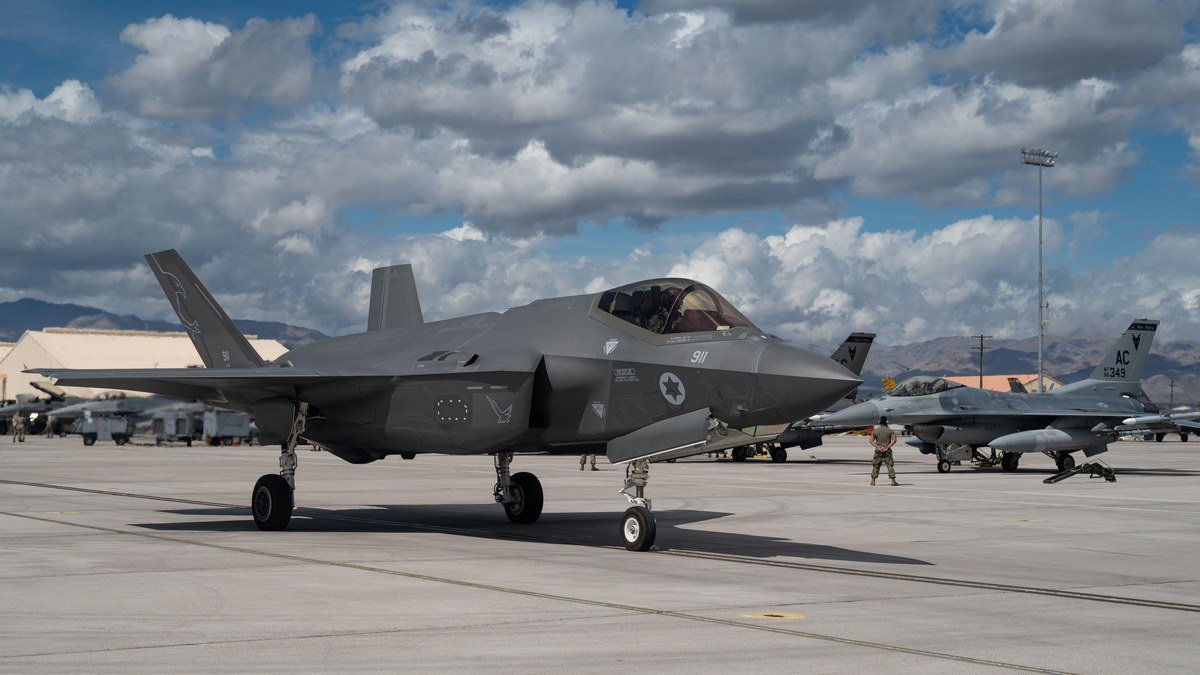
Israel's military launched Operation Northern Arrows on September 23, 2024, executing one of the most intensive air campaigns in the Middle East in nearly two decades. The Israeli Air Force conducted over 1,400 strikes across Lebanon in a single day, targeting what the Israel Defense Forces described as Hezbollah's military infrastructure — weapons storage facilities, rocket launcher sites, command and control centers, and ammunition depots.
Lebanese health authorities reported more than 490 people killed and approximately 1,600 wounded in the assault, making September 23 the deadliest single day for Lebanon since the 34-day Second Lebanon War in 2006. The Lebanese government declared a state of emergency, and UN agencies warned of a humanitarian catastrophe in progress as hospitals in southern Lebanon were overwhelmed.
Scale and Targets of the Air Campaign
The IDF confirmed the operation in a formal statement, saying the strikes were designed to degrade Hezbollah's capacity to launch rockets and missiles into northern Israel. Since October 7, 2023, when Hamas launched its surprise attack on southern Israel, Hezbollah had been firing rockets daily into Israeli border communities, forcing mass evacuations of roughly 60,000 Israeli residents from the north.
According to IDF statements and independent military analysts, the operation included precision munitions targeting senior Hezbollah commanders, with Israel subsequently confirming the elimination of multiple Hezbollah field commanders. The campaign represented a deliberate shift from limited retaliatory strikes to a broader degradation strategy intended to reduce Hezbollah's medium- and long-range rocket inventory.
“The IDF is striking Hezbollah terrorist infrastructure throughout Lebanon. Our goal is to return the residents of the north to their homes safely.”
Context: Escalation Since October 7 and Regional Stakes
The United States urged restraint while affirming Israel's right to self-defense. France called for an immediate ceasefire. The UN Security Council convened an emergency session as international pressure mounted. Iran — Hezbollah's primary state sponsor — issued strong condemnations but did not announce direct military retaliation.
The operation came weeks after a separate major Israeli operation in which pagers and walkie-talkies used by Hezbollah operatives were simultaneously detonated in a supply-chain attack that killed dozens and wounded thousands. Together, these actions represented a sustained campaign to neutralize Hezbollah's military capacity ahead of any potential ground operation in southern Lebanon.
Comments (0)
Log in to join the discussion.