

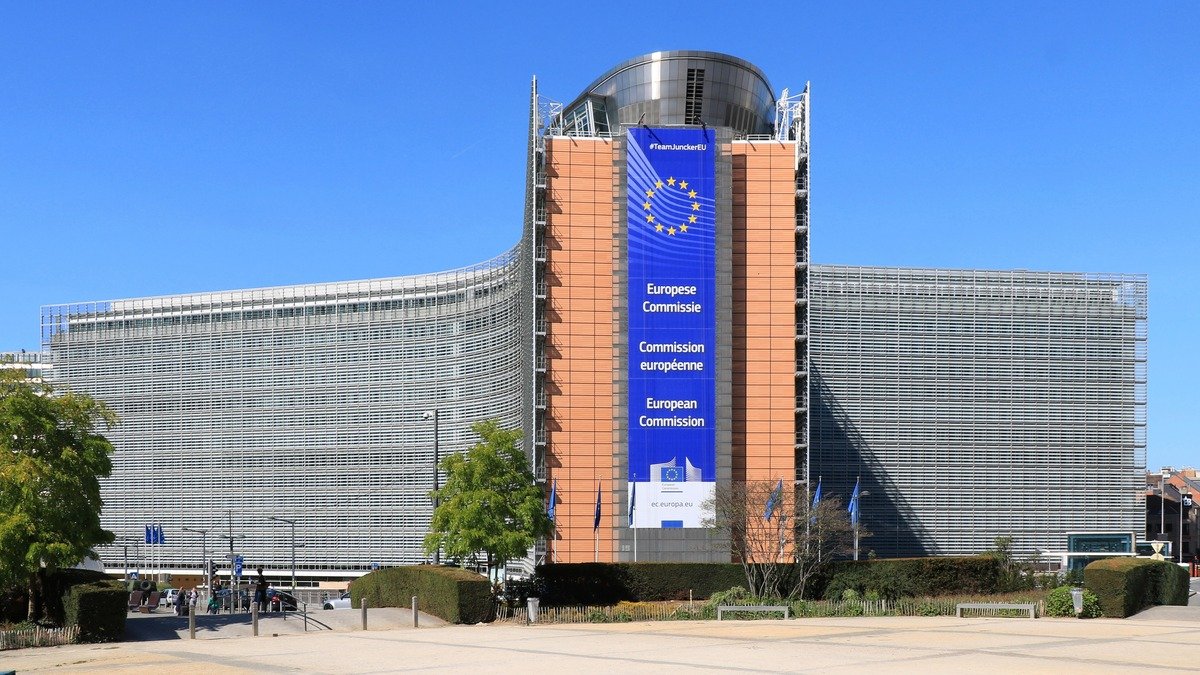
In a momentous geopolitical and financial maneuver designed to secure Ukraine's fiscal solvency, European Commission President Ursula von der Leyen arrived in Kyiv on an official mission to unveil an extraordinary European Union loan package of up to €35 billion ($39 billion). The loan represents the dominant European contribution to the broader $50 billion Extraordinary Revenue Acceleration (ERA) commitment agreed upon by the Group of Seven (G7) democracies.
The defining innovation of the loan structure is its repayment mechanism. Rather than burdening the Ukrainian treasury or European taxpayers with debt service, the loan will be serviced and amortized exclusively through the windfall interest profits generated by approximately €210 billion of immobilized Russian Central Bank assets held primarily in Belgium at the central securities depository Euroclear.
Historic Financial Lifeline Backed by Russian Windfall Profits
Under international sanctions enacted following the February 2022 invasion of Ukraine, the Western financial system froze over $300 billion in Russian state foreign exchange reserves. While sovereign immunity legal constraints have prevented direct expropriation of the principal, Western policymakers reached consensus that the exceptional interest profits generated by these immobilized funds constitute legitimate public revenue available for Ukrainian reconstruction.
The timing of Brussels' announcement is intensely urgent. Sustained Russian missile and drone barrages targeting Ukrainian electrical generation infrastructure throughout the spring and summer knocked out over nine gigawatts of power capacity—more than half of Ukraine's pre-war generating volume. Ukrainian officials have warned of rolling blackouts lasting up to 16 hours daily once sub-zero winter temperatures set in.
“Relentless Russian attacks mean Ukraine needs continued European support. The Commission will provide a loan of up to €35 billion as our contribution to the G7 pledge. Russia must pay for the damage it has caused.”
Winter Energy Resilience and Circumventing Political Gridlock
The €35 billion package will flow directly into Ukraine's state budget, granting President Volodymyr Zelenskyy's government sovereign autonomy to deploy the funds across macro-financial stability, emergency power grid rehabilitation, decentralization of generation units, and domestic procurement of military ordnance and drone technology.
Politically, the European Commission's bold unilateral pledge breaks a diplomatic deadlock engineered by Hungarian Prime Minister Viktor Orbán. By structuring the financing as macro-financial assistance backed by the EU's common budgetary headroom, the measure requires only a qualified majority of member states and the consent of the European Parliament, effectively bypassing Budapest's unilateral veto threats.
Comments (0)
Log in to join the discussion.