

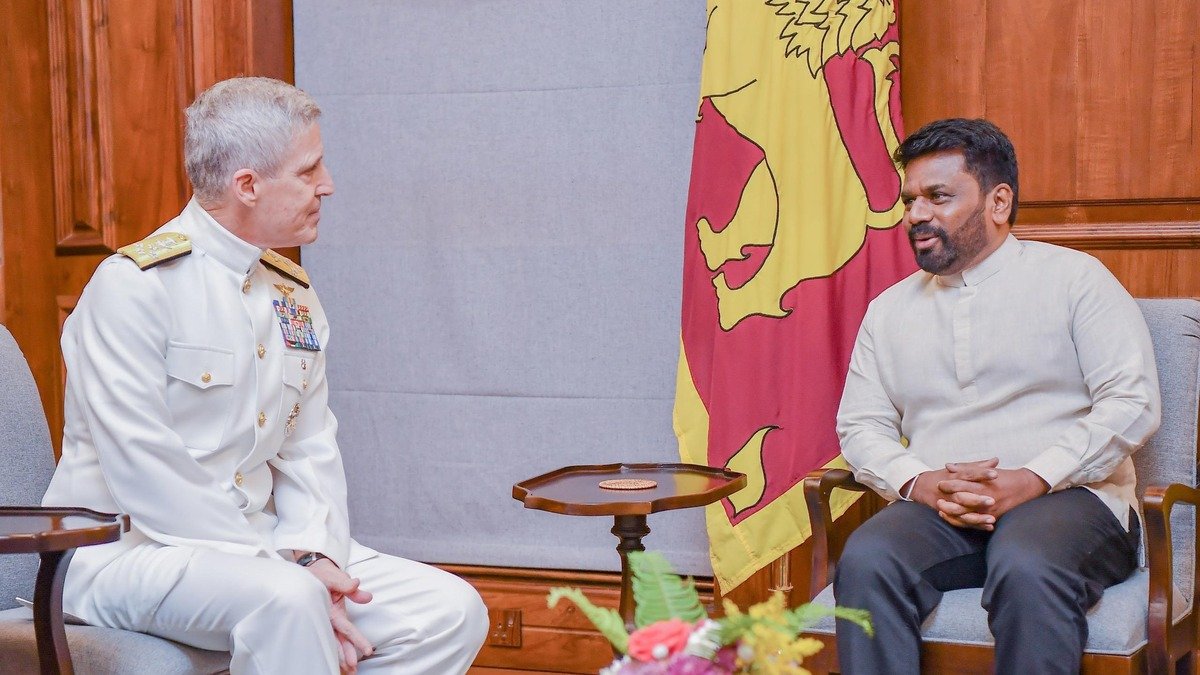
In a watershed political realignment that dismantled decades of traditional party dominance, Marxist-leaning anti-corruption reformer Anura Kumara Dissanayake was declared Sri Lanka's ninth executive president on Sunday evening following an unprecedented second-round preference vote count.
The 55-year-old leader of the Janatha Vimukthi Peramuna (JVP) and head of the broader National People's Power (NPP) coalition captured 5,740,179 total votes (55.89%), according to certified figures released by Election Commission Chairman R.M.A.L. Rathnayake. Centrist opposition leader Sajith Premadasa finished second with 4,530,902 votes, while incumbent President Ranil Wickremesinghe trailed in third place with 17.27% of initial ballots.
Historic Second-Preference Count Upends Traditional Dynasty Politics
The election was the first in Sri Lankan democratic history to activate the second-preference counting mechanism established under the 1981 Presidential Elections Act. Because no candidate secured an outright majority of more than 50% in the initial tally—where Dissanayake garnered 42.31% and Premadasa 32.76%—election officials eliminated thirty-six lower candidates and redistributed second and third preferences to finalize the winner.
The vote was Sri Lanka's first national democratic exercise since the catastrophic economic collapse of 2022, which triggered severe fuel shortages, hyperinflation, and the massive 'Aragalaya' popular uprising that forced then-President Gotabaya Rajapaksa to flee the country and resign. Dissanayake, who garnered a mere three percent of the vote in the 2019 presidential contest, channeled widespread public outrage against entrenched political corruption, nepotism, and crushing austerity.
“This dream can only be realized through a collective effort that unifies Sinhalese, Tamils, Muslims, and all Sri Lankans. A new renaissance will rise from this mandate.”
Economic Overhaul, IMF Bailout Realities, and Democratic Renewal
While outgoing President Wickremesinghe stabilized the currency, negotiated a vital $2.9 billion International Monetary Fund (IMF) rescue facility, and curtailed inflation during his interim presidency, his administration's doubling of value-added taxes and steep utility rate hikes pushed millions into poverty. Dissanayake campaigned on renegotiating painful IMF benchmarks, slashing consumer taxes on essentials, and prosecuting corrupt officials responsible for looting sovereign assets.
International leaders and market observers welcomed the peaceful, impeccably managed electoral process. Dissanayake is scheduled to take the formal oath of office in Colombo on Monday morning, where he is anticipated to dissolve the existing parliament and call snap general elections to secure a working legislative majority.
Comments (0)
Log in to join the discussion.