

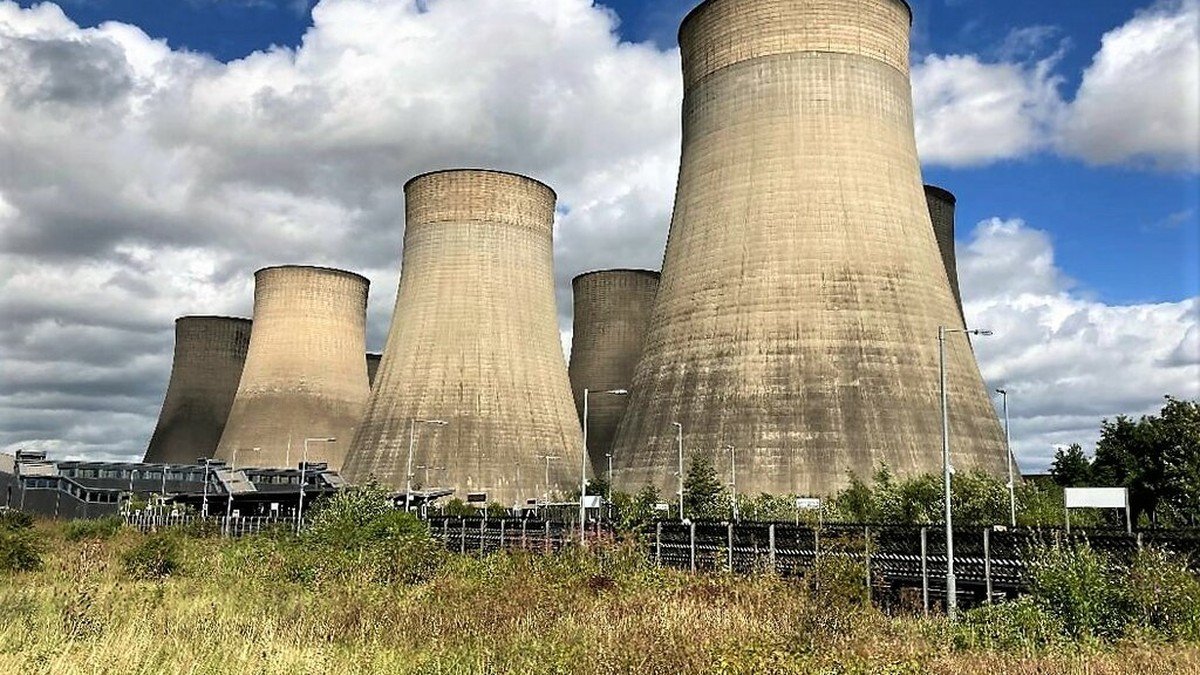
Great Britain is preparing to shut down its final operational coal-fired electricity generating station on Monday, September 30, marking the conclusion of a monumental 142-year era of fossil fuel power. Operated by German energy utility Uniper, the Ratcliffe-on-Soar power station in Nottinghamshire will officially disconnect from the national grid, making the United Kingdom the first G7 leading industrialized economy to completely banish coal from its power sector.
The event carries profound historical symbolism. In 1882, inventor Thomas Edison opened the Holborn Viaduct power station in central London, the world's first commercial coal-fired power plant. For nearly a century and a half, coal mined from Welsh valleys, Yorkshire pits, and Scottish collieries fueled the British Industrial Revolution and powered the electric grid through two world wars and post-war reconstruction.
From the Birthplace of the Industrial Revolution to Zero Coal
Britain's exit from coal represents one of the most rapid and comprehensive energy transitions in modern economic history. As recently as 2012, coal accounted for over 40% of the UK's electricity mix. Through a combination of carbon taxation, emission performance standards, and massive capital deployment into North Sea offshore wind, solar, and natural gas, coal's share plummeted to less than 2% by 2019 and zero today.
Originally scheduled for retirement in 2022, Ratcliffe's four massive 500-megawatt generating units were kept on standby as an emergency capacity reserve during the European energy shock triggered by the war in Ukraine. Having fulfilled its strategic backup role through the winter without firing at full capacity, the facility burned its final rail deliveries of coal in early 2024.
“The closure of Ratcliffe marks a historic turning point. Britain was the cradle of the industrial coal revolution, and today we lead the world into the clean, renewable power era.” — Michael Shanks, UK Minister for Energy
Transitioning the Workforce and Repurposing Industrial Infrastructure
Following the decommissioning of its eight 114-meter-tall concrete cooling towers, the 270-acre Ratcliffe site will undergo a multi-year redevelopment program. Plans advanced by Uniper and local authorities envision converting the brownfield complex into a zero-carbon technology park featuring green hydrogen production, advanced battery storage, and advanced manufacturing.
International climate diplomats emphasized that Britain's achievement shatters the misconception that large industrialized nations cannot maintain grid reliability without base-load coal. The milestone sets a high-profile benchmark for fellow G7 partners, including Germany, Japan, and the United States, as global negotiations head toward COP30.
Frequently Asked Questions
When does the Ratcliffe-on-Soar coal plant officially close?
Ratcliffe-on-Soar ceases all commercial electricity generation on September 30, 2024, followed by a multi-year decommissioning phase.
Why is the UK's coal phaseout considered a global milestone?
The UK is the birthplace of coal power and the first G7 major economy to completely eliminate coal-fired generation from its national electricity grid.



Comments (0)
Log in to join the discussion.