

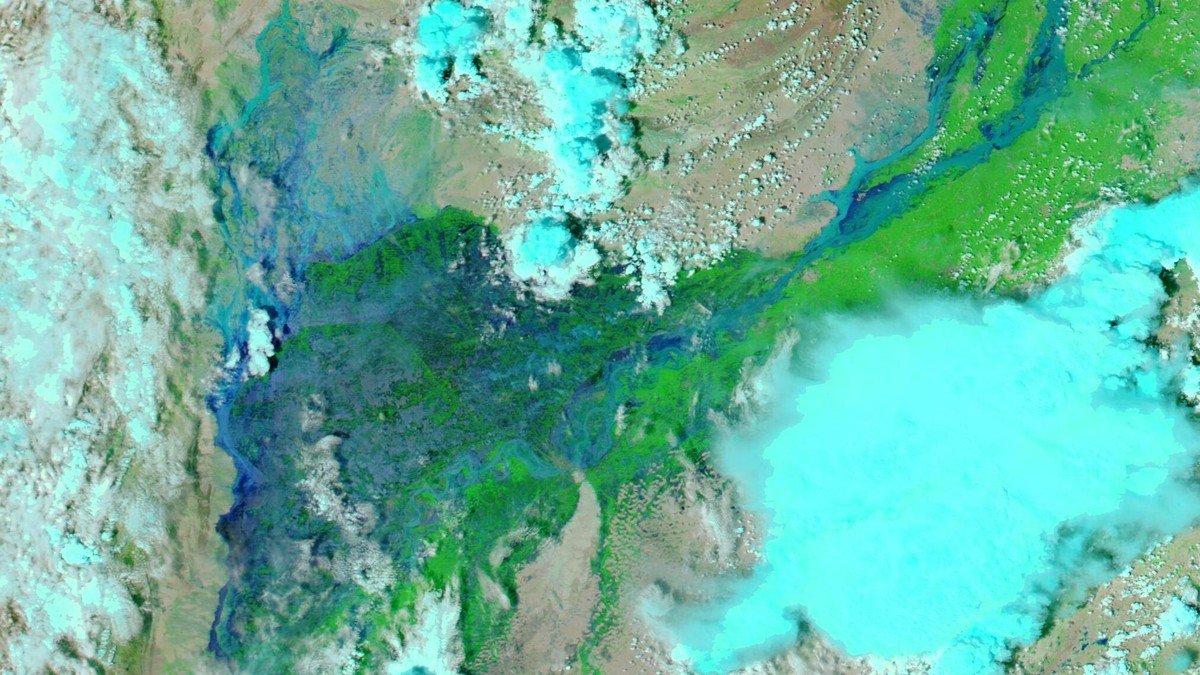
The catastrophic aftermath of Hurricane Helene grew increasingly dire on Sunday as the confirmed death toll climbed past 100 across six southeastern states. Communities tucked along the Blue Ridge Mountains of western North Carolina bore the brunt of historical flash flooding that destroyed vital infrastructure and cut off entire towns from the outside world.
Torrential rainfall dumped upwards of two feet of water across western North Carolina over a 72-hour period, swelling rivers to record crests. Raging torrents demolished Interstate 40 at the Tennessee border, swept away residential neighborhoods, and severed fiber-optic communications, water distribution systems, and power grids across Buncombe County.
Catastrophic Deluge Traps Mountain Communities
In Asheville, municipal authorities reported that clean drinking water supplies could take weeks to restore after floodwaters overwhelmed primary treatment plants. Cell phone towers collapsed under the storm's fury, leaving tens of thousands of frantic relatives unable to contact loved ones in remote mountain valleys.
North Carolina Governor Roy Cooper declared a major state disaster and mobilized hundreds of National Guard soldiers alongside specialized swift-water rescue teams. Helicopters and aircrews worked continuously through mountain fog to airlift stranded victims from rooftops and deliver pallets of emergency rations to isolated enclaves.
“This is an unprecedented tragedy for western North Carolina. Entire towns have been cut off, but search and rescue teams are working around the clock to airlift water, food, and medical supplies to our residents.” — Roy Cooper, Governor of North Carolina
Massive Airlifts and Multi-State Emergency Mobilization
The Federal Emergency Management Agency (FEMA) announced that emergency declarations had been approved across Florida, Georgia, South Carolina, North Carolina, Virginia, and Tennessee. Federal officials confirmed that hundreds of tons of food, water, and satellite communication units were being transported to forward distribution hubs.
Meteorologists described Helene as one of the deadliest and most destructive tropical systems to strike the southern Appalachians in modern meteorological history. With rescue teams still pushing into remote hollows blocked by mudslides and fallen timber, officials warned that the casualty count is expected to rise further.
Frequently Asked Questions
How many states were impacted by Hurricane Helene's destructive path?
Helene caused widespread devastation and fatalities across six states: Florida, Georgia, South Carolina, North Carolina, Virginia, and Tennessee.
Why was inland flooding in western North Carolina so catastrophic?
The storm delivered over two feet of rain onto steep Appalachian mountain terrain, creating catastrophic runoff, landslides, and river crests.
Comments (0)
Log in to join the discussion.