

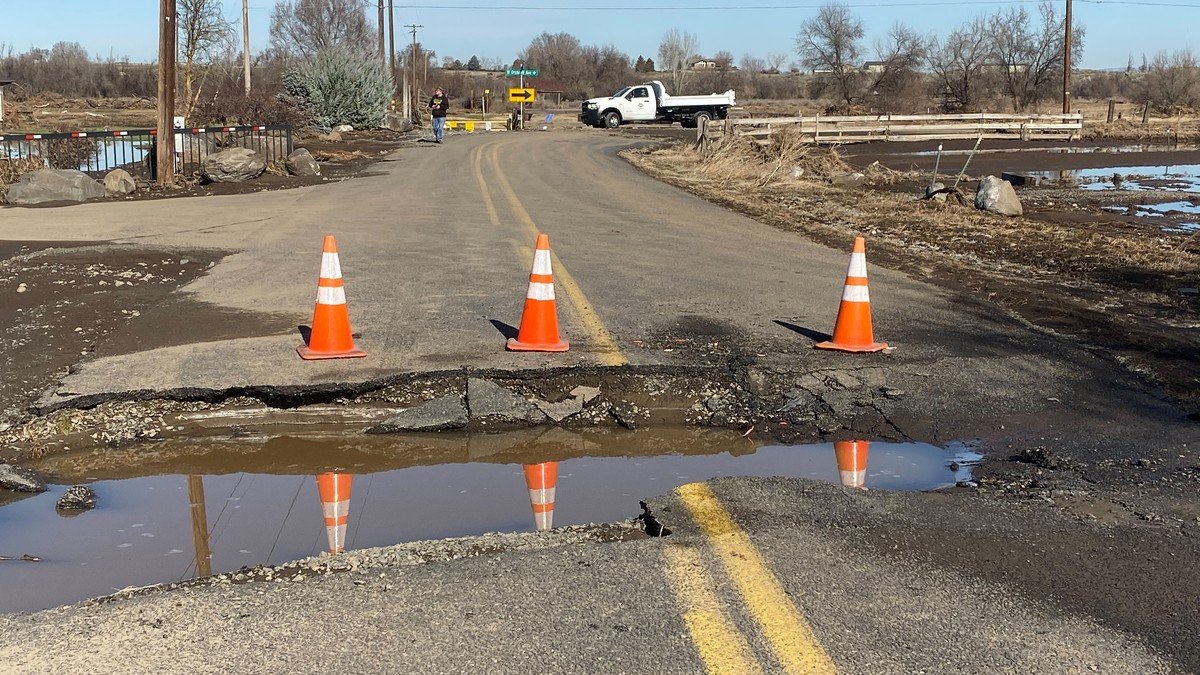
Catastrophic late-monsoon rains have unleashed widespread flash floods and devastating mudslides across central and eastern Nepal, killing at least 192 people and leaving more than 30 others missing, according to the nation's Ministry of Home Affairs on Sunday. A relentless 48-hour deluge overwhelmed fragile mountain watersheds, inundating substantial portions of the Kathmandu Valley and severing all major vehicular highways connecting the capital to the rest of the country.
In Kathmandu, the Bagmati, Bishnumati, and Nakkhu rivers swelled to historic crests, violently overtopping concrete floodwalls and natural embankments. Entire low-lying settlements, residential colonies, and informal riverbank communities were submerged in muddy torrents reaching up to the second floors of multi-story buildings, forcing panicked residents onto tin roofs to await rescue.
Bagmati River Inundation and Urban Infrastructure Submersion
More than 20,000 personnel from the Nepal Army, Armed Police Force, and Nepal Police have been mobilized across the valley. First responders deployed inflatable motorized rafts, zip-lines, and military helicopters to pluck more than 4,000 trapped survivors from rooftops and half-submerged vehicles. Key hospitals suffered basement waterlogging, prompting emergency evacuations of intensive care equipment.
The disaster proved particularly lethal along transit corridors traversing the rugged Mahabharat range. Massive hillslope collapses struck traffic jams along the Prithvi and Tribhuvan highways. At Jhingephedi in Dhading district, a colossal landslide buried three passenger buses and multiple private vehicles, claiming dozens of lives as heavy soil smothered trapped commuters.
“We have mobilized the army, armed police, and emergency responders across the valley. Our top priority is rescuing stranded survivors and reopening blocked transit lifelines.” — Rishi Ram Tiwari, Spokesperson for Nepal's Ministry of Home Affairs
Highway Landslide Blockades and Climate Vulnerability
With heavy excavators struggling to clear debris from dozens of blocked highway sectors, Kathmandu faces acute logistical isolation. Fuel tankers and fresh vegetable supply trucks remain stranded along mountain switchbacks, raising immediate price inflation concerns while authorities scramble to restore domestic aviation links and emergency ferry services.
Meteorologists from Nepal's Department of Hydrology and Meteorology recorded 24-hour rainfall exceeding 240 millimeters at monitoring stations, the highest levels recorded in over half a century. Environmental scientists pointed to unplanned urban encroachment along natural floodplains and accelerating climate instability as chief multipliers of the disaster's catastrophic human toll.
Frequently Asked Questions
What caused the deadly flooding and landslides in Nepal?
Record-breaking late-monsoon rainfall exceeding 240mm in 48 hours saturated fragile Himalayan soils, triggering massive landslides and overflowing rivers.
How many casualties have been confirmed in the Nepal floods?
Officials have confirmed at least 192 deaths and dozens of missing persons, with over 4,000 residents rescued across the country.
Comments (0)
Log in to join the discussion.