

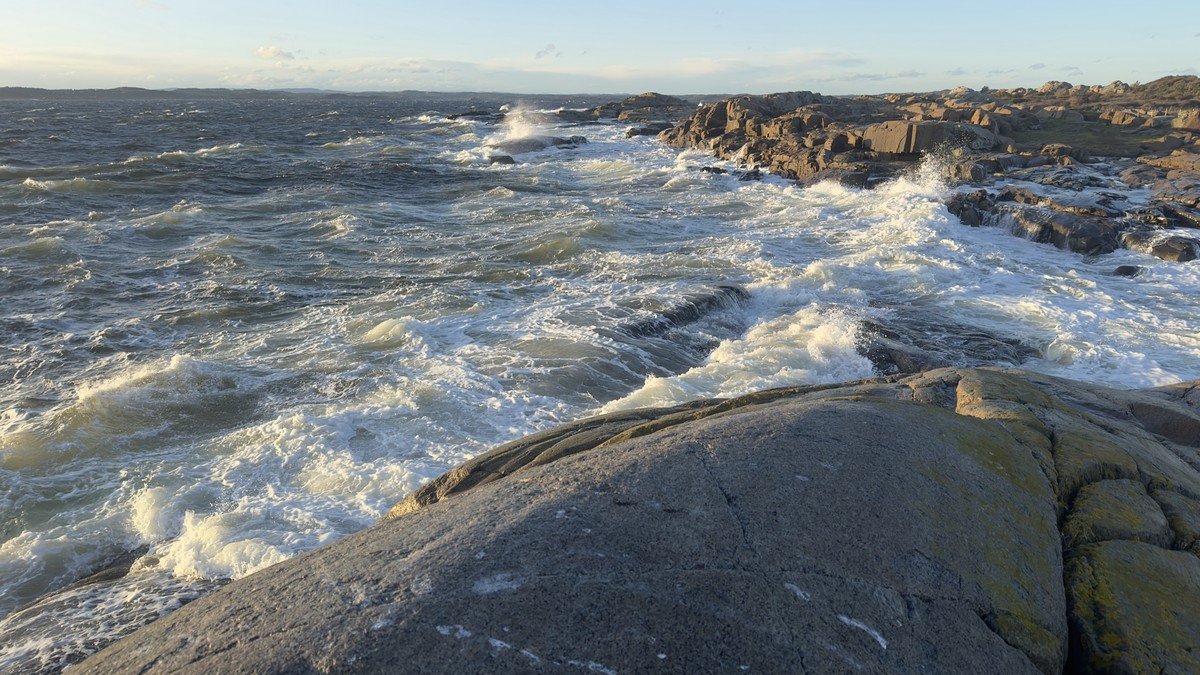
The European Environment Agency (EEA) has issued a stark environmental assessment from its Copenhagen headquarters, warning that the compounding pressures of accelerating sea level rise and unsustainable groundwater extraction are causing dangerous saltwater intrusion into freshwater aquifers across Europe's coastal plains. The comprehensive report indicates that vital drinking water reservoirs and fertile agricultural basins along the Mediterranean, Baltic, and North Sea coastlines face irreversible salinization unless immediate management reforms are enacted.
According to the agency's hydrological data, decades of intensive agricultural irrigation, driven by prolonged European summer droughts, have systematically lowered water table levels below natural hydrostatic equilibrium. As freshwater hydraulic pressure recedes, dense subterranean seawater is progressively drawn inland, contaminating porous underground rock formations that took millennia to accumulate potable water.
The Dual Drivers: Climate-Induced Sea Rise and Intensive Irrigation
The Mediterranean region has emerged as the most severely compromised geographic zone. In Spain's coastal citrus belts, Italy's Po River delta, and the agricultural plains of Greece, soil conductivity and sodium chloride concentrations have spiked, rendering extensive irrigation wells unusable for traditional crops. In northern Europe, low-lying reclaimed polders in the Netherlands and coastal Danish farming districts face comparable salinization dynamics.
The environmental consequences extend beyond farming into urban municipal supplies. Coastal municipalities experiencing rapid tourism expansion during peak summer months are reporting elevated salinity in public tap water, forcing local authorities to commission costly and energy-intensive reverse-osmosis desalination infrastructure.
“Coastal aquifers provide essential drinking water and agricultural irrigation for millions of Europeans. Unchecked salinization threatens to render fertile coastal farmland unproductive within decades.” — Leena Ylä-Mononen, Executive Director of the European Environment Agency
Policy Recommendations for Aquifer Recharge and Water Governance
To prevent ecological collapse, the EEA calls on European Union member states to enforce strict, legally binding volumetric groundwater extraction quotas under the EU Water Framework Directive. The report champions managed aquifer recharge (MAR) systems, which capture treated wastewater and seasonal winter storm runoff to artificially replenish subterranean freshwater barriers.
Environmental scientists emphasize that coastal water resilience must become a central pillar of national climate adaptation plans. Transitioning to salt-tolerant crop varieties, expanding smart sensor-based drip irrigation, and restoring natural coastal wetlands will be essential to shield Europe's coastal breadbaskets from creeping subterranean oceans.
Frequently Asked Questions
What causes saltwater intrusion into coastal aquifers?
It is caused by a combination of sea level rise from climate change and excessive extraction of groundwater for agriculture and urban use.
Which regions in Europe are most vulnerable to salinization?
The Mediterranean coastline—especially Spain, Italy, and Greece—along with low-lying agricultural zones in the Netherlands and Denmark.
Comments (0)
Log in to join the discussion.