

Portugal on Tuesday mobilized emergency multinational disaster relief through the European Union Civil Protection Mechanism as catastrophic wildfires tore across the country's northern and central districts. Fanned by violent, dry easterly gusts and unseasonably high temperatures exceeding 32 degrees Celsius, dozens of separate blazes merged into immense fire fronts in the Aveiro and Porto regions, claiming at least seven lives—including four volunteer firefighters—and destroying over 120,000 hectares of pine and eucalyptus forests.
The National Authority for Emergency and Civil Protection (ANEPC) reported that more than 5,000 firefighters, backed by 1,600 emergency response vehicles, were engaged in frantic defensive operations to shield residential communities across Albergaria-a-Velha, Sever do Vouga, and Águeda. Dense plumes of smoke forced the indefinite closure of the main A1 Lisbon-Porto highway and severed major regional railway arteries.
Deadly Inferno Driven by Gale-Force Winds and Prolonged Drought
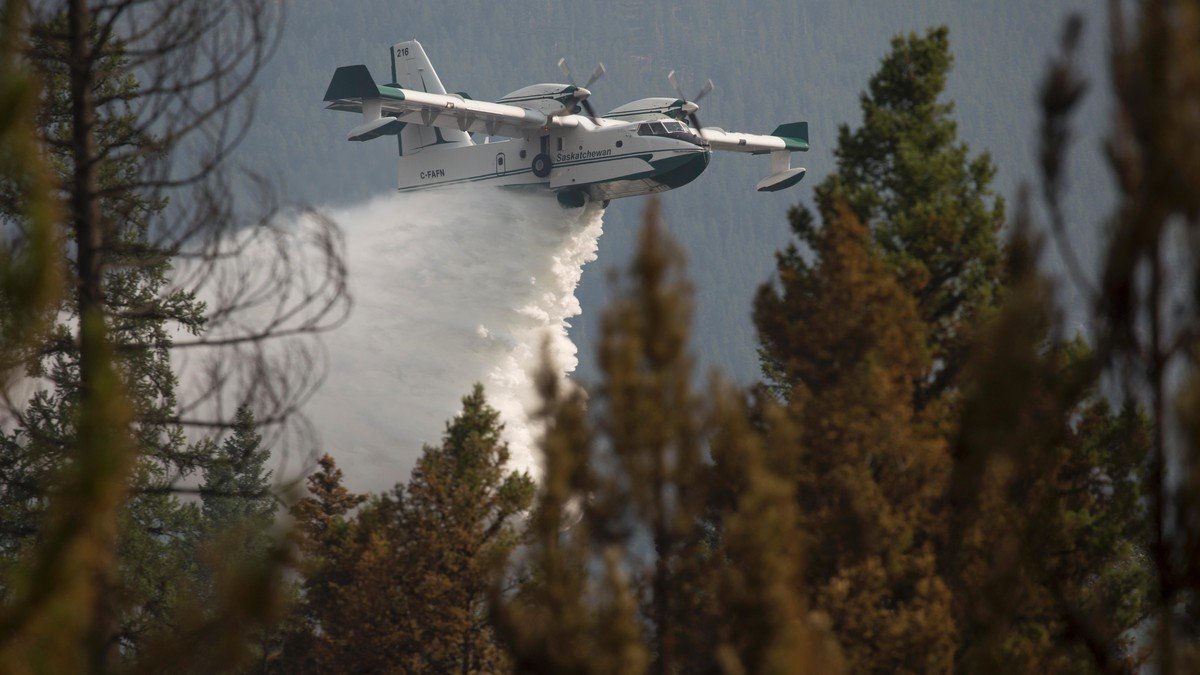
In response to urgent bilateral requests from Lisbon, the European Commission activated its rescEU strategic reserve. Eight specialized Canadair CL-415 amphibious water-bombing aircraft were dispatched from Spain, France, and Italy, while neighboring Morocco deployed two additional turbo-prop firefighting planes to reinforce aerial suppression sorties over the most volatile ravines.
Climate scientists and meteorological services noted that the disaster was precipitated by a hazardous atmospheric combination known locally as 'Leste' winds blowing dry desert air from the Iberian interior over parched vegetation. The preceding months had left soil moisture deficits at record lows, turning vast commercial eucalyptus plantations into explosive tinderboxes.
“We are facing extraordinary and ferocious fires. European solidarity has responded immediately, and our absolute priority remains preserving human life and restoring safety to our communities.”
Multinational Aerial Fleets and Emergency Calamity Declarations
Prime Minister Luís Montenegro visited operational command centers in Aveiro, declaring a formal state of calamity for the hardest-hit municipal councils. The government announced emergency credit lines, housing reconstruction subsidies, and immediate moratoriums on municipal tax obligations for displaced residents and farmers who lost livestock and agricultural machinery.
As international reinforcements drop tens of thousands of liters of retardant over smoldering mountain crests, Portuguese authorities have launched criminal investigations into suspected arson, detaining several individuals accused of intentionally igniting brush fires during peak weather vulnerability.

Comments (0)
Log in to join the discussion.