

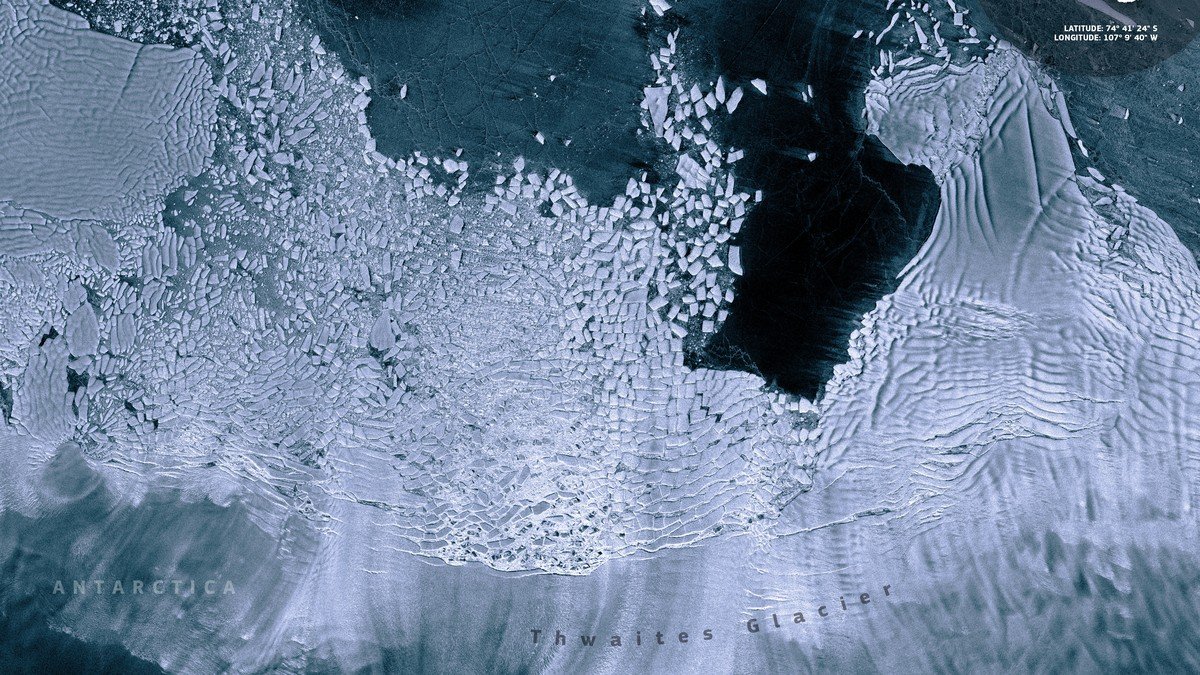
Antarctic sea ice likely reached its annual maximum extent on September 19, peaking at just 17.16 million square kilometers (6.63 million square miles) and marking the second-lowest winter maximum in the 46-year continuous satellite observational record, according to the National Snow and Ice Data Center (NSIDC).
The preliminary measurement from the Boulder, Colorado-based research institute, supported by NASA satellite telemetry, falls merely above the catastrophic all-time record low of 16.96 million square kilometers set in September 2023. Compared to the 1981-2010 long-term average, this year's ice cover is diminished by approximately 1.55 million square kilometers—an area larger than the state of Alaska.
Satellite Data Confirms Persistent Southern Ocean Deficit
For decades following the inception of satellite monitoring in 1979, Antarctic sea ice exhibited modest growth, reaching a record peak extent of 20.14 million square kilometers in 2014. However, that trend abruptly collapsed in 2016, giving way to unprecedented consecutive years of record-low winter extents.
Polar oceanographers emphasize that this multi-year downturn is fundamentally different from short-term weather fluctuations. Oceanographic buoys and robotic Argo floats deployed across the Southern Ocean indicate that heat stored in upper ocean layers is being stirred upward by altered wind patterns, continuously melting sea ice from below.
“While there has been modest variability from year to year, the persistent low ice extent since 2023 strongly suggests a regime shift in the Southern Ocean. The ocean is warmer, and it is actively resisting winter freeze-up.”
Regime Shift: Warmer Subsurface Waters Disrupt Ice Growth
The consequences of depleted sea ice extend far beyond the polar circle. Sea ice acts as a planetary mirror, reflecting solar radiation back into space. Its absence leaves dark ocean waters exposed to absorb solar energy, accelerating global heating through the positive ice-albedo feedback loop.
Furthermore, sea ice serves as a physical buffer, dampening powerful ocean swells that would otherwise crash directly against continental ice shelves. With thinner and less extensive sea ice shields, giant grounded ice sheets face heightened risks of destabilization, with severe long-term implications for global sea-level rise.

Comments (0)
Log in to join the discussion.