

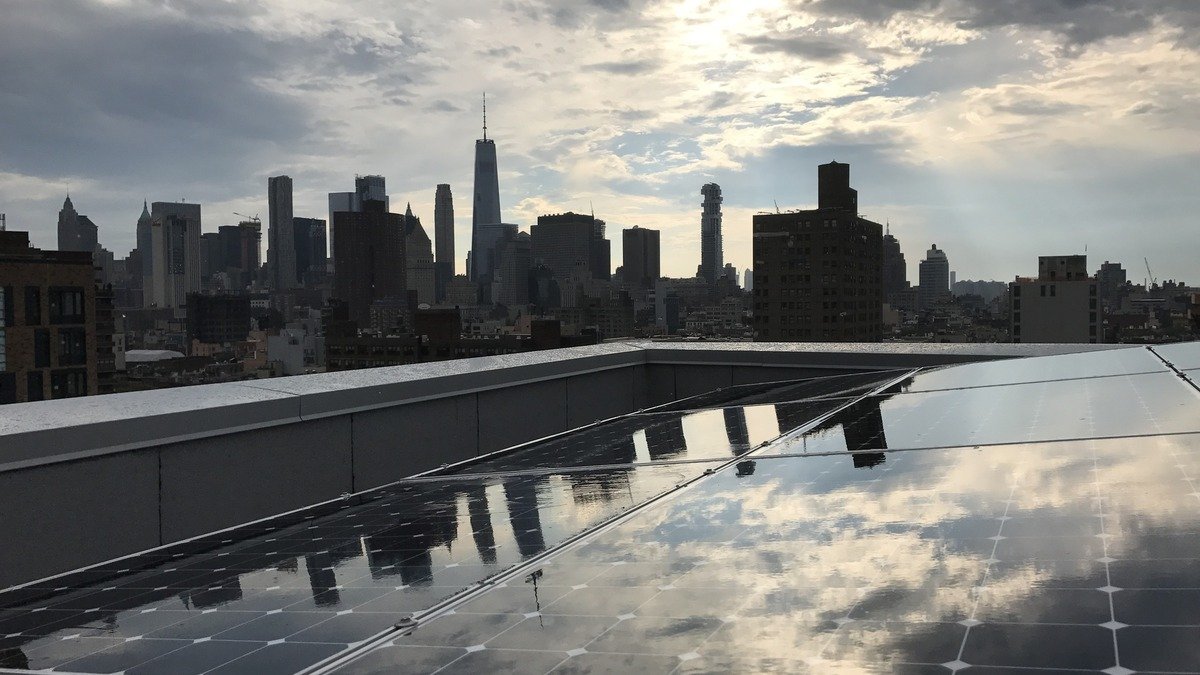
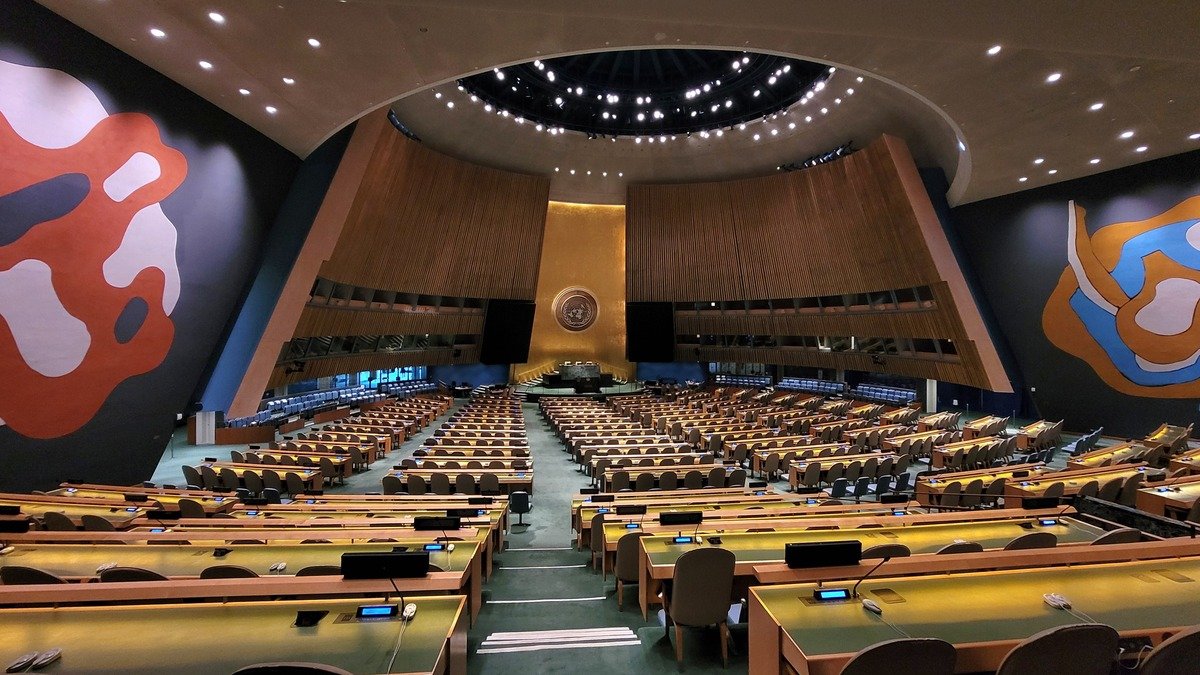
Climate Week NYC 2024 formally commenced across New York City today, drawing thousands of corporate executives, heads of state, climate scientists, and institutional investors on the sidelines of the 79th United Nations General Assembly and the high-level UN Summit of the Future. The annual gathering, now in its sixteenth year, serves as the premier global platform for non-state actors and subnational governments navigating practical decarbonization pathways.
Organized by international climate non-profit Climate Group, this year's summit—operating under the banner 'It's Time'—centers on moving aggressively from pledge formulation to capital execution. Opening keynote presentations focused squarely on the systemic financial bottlenecks and electrical transmission hurdles that threaten to derail the international pledge made at COP28 to triple global renewable energy generation capacity by 2030.
Mobilizing Capital Beyond Wealthy Economies
While global investments in the clean energy transition surpassed an unprecedented $1.8 trillion in recent months, symposium participants underscored a glaring structural disparity: more than 80% of those funds remain concentrated in developed nations and China. Developing economies in Africa, Southeast Asia, and Latin America face punitively high cost of capital, often paying debt interest rates two to three times higher than their counterparts in the OECD.
In response, multilateral development banks and private institutional asset managers announced several blended finance instruments designed to lower risk premiums. By pairing philanthropic and sovereign concessional capital with private equity, the mechanisms aim to accelerate utility-scale solar arrays, wind farms, and localized microgrids across climate-vulnerable territories.
“The era of endless voluntary pledges without concrete balance-sheet allocation is over. We already possess the engineering solutions to triple renewables; what we must build now is a global financial highway that channels capital to where it is needed most.”
Upgrading Aging Transmission Networks and Interconnections
Another core theme dominating opening day roundtables was the urgent imperative to modernize transmission grids. In both North America and Europe, clean energy developers routinely confront interconnection delays stretching four to seven years, stranding gigawatts of zero-carbon electricity while permitting frameworks struggle to keep pace with new wind and solar installations.
Energy ministers and utility executives called on regulators to implement rapid transmission reform, including expanded deployment of high-voltage direct current (HVDC) lines and grid-scale battery storage. As the week unfolds with more than 600 panels, showcases, and bilateral negotiations, participants reaffirmed that the clean energy transition is fundamentally an infrastructure and finance challenge that demands swift, decisive intervention.
Comments (0)
Log in to join the discussion.