

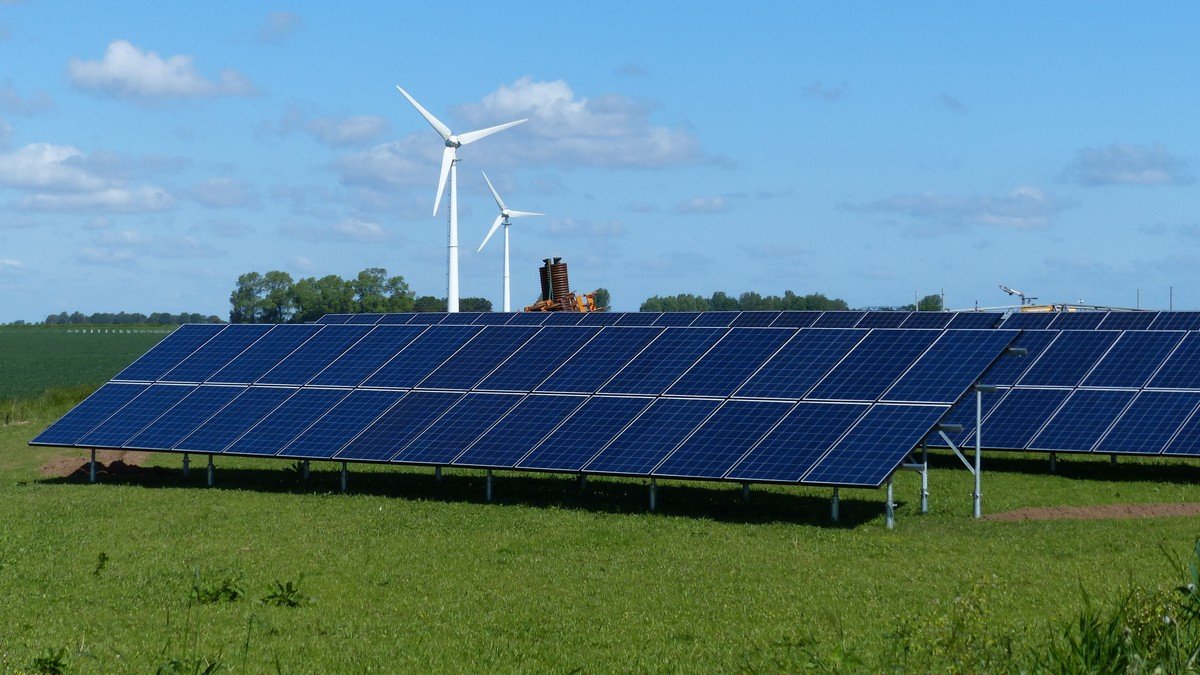
Global employment across clean energy sectors has officially exceeded 35 million jobs, cementing renewable technologies and low-carbon manufacturing as the primary engine of worldwide energy sector hiring, according to the latest flagship report from the International Energy Agency (IEA).
The Paris-based organization's third annual World Energy Employment report revealed that clean energy now employs substantially more workers worldwide than fossil fuels, where employment sits at approximately 32 million jobs across coal, oil, and gas extraction, refining, and power generation.
Clean Energy Widens the Employment Gap Over Fossil Fuels
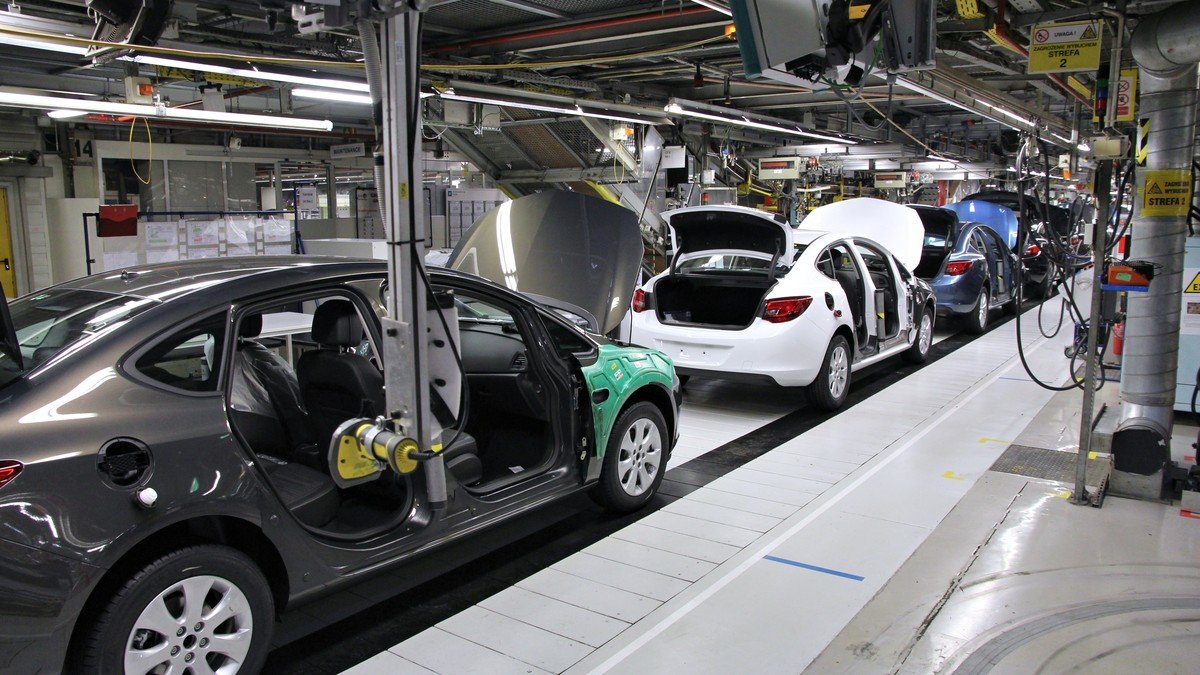
Solar photovoltaic (PV) power led all individual subsectors, expanding to employ more than 7 million people worldwide. Surging investments in gigafactories for electric vehicle (EV) battery production, heat pump assembly lines, and high-voltage transmission grid upgrades in China, Europe, and North America fueled the rapid expansion.
China remains the dominant global employer in clean technologies, accounting for roughly 60% of all new clean energy manufacturing jobs added over the past twelve months. Meanwhile, policy incentives such as the U.S. Inflation Reduction Act and the European Union's Net Zero Industry Act have catalyzed domestic factory construction across Western economies.
“The energy transition is not just reshaping the climate trajectory; it is fundamentally transforming global labor markets. Clean energy continues to create millions of well-paying, resilient jobs across the globe at an astonishing rate.”
Skilled Labor Bottlenecks Emerge as Primary Expansion Risk
Despite the remarkable job creation figures, the IEA highlighted an intensifying structural vulnerability: severe shortages of specialized technical workers. Developers worldwide report mounting difficulties recruiting qualified electrical engineers, certified grid technicians, construction managers, and certified heat pump installers.
The report urged governments and educational institutions to rapidly scale up vocational training curricula and technical apprenticeships. Without aggressive workforce development pipelines, the agency cautioned, labor bottlenecks could delay clean infrastructure rollouts, drive up installation costs, and jeopardize international decarbonization milestones.


Comments (0)
Log in to join the discussion.