

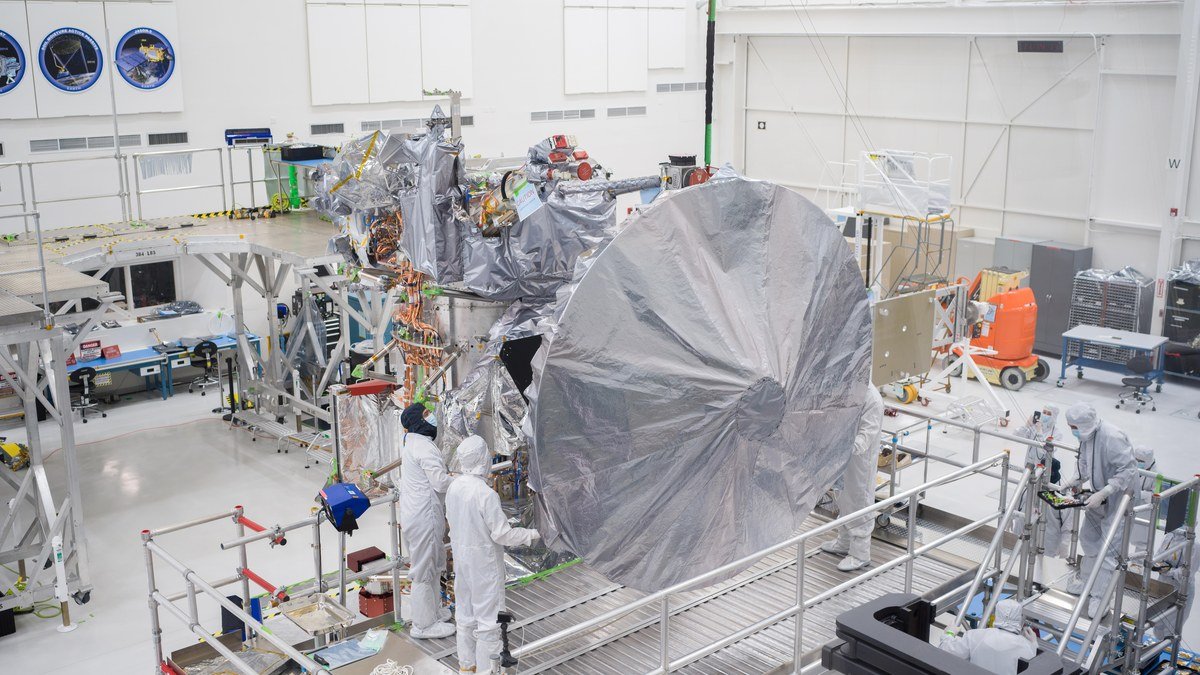
NASA engineers and propulsion specialists at Kennedy Space Center in Florida have successfully completed the critical loading of hypergolic propellants aboard the Europa Clipper spacecraft, marking the final major technical milestone before encapsulation inside its payload fairing ahead of launch to Jupiter next month.
Over several days inside the Payload Hazardous Servicing Facility, technicians pumped approximately 6,000 pounds (2,750 kilograms) of monomethylhydrazine fuel and nitrogen tetroxide oxidizer into the probe's sixteen titanium propellant tanks. The fuel accounts for nearly half of the spacecraft's total liftoff mass.
Milestone Fueling Operations at Kennedy Space Center
With its colossal solar array wings spanning more than 100 feet (30.5 meters) from tip to tip, Europa Clipper represents the largest planetary exploration spacecraft ever engineered by the American space agency.
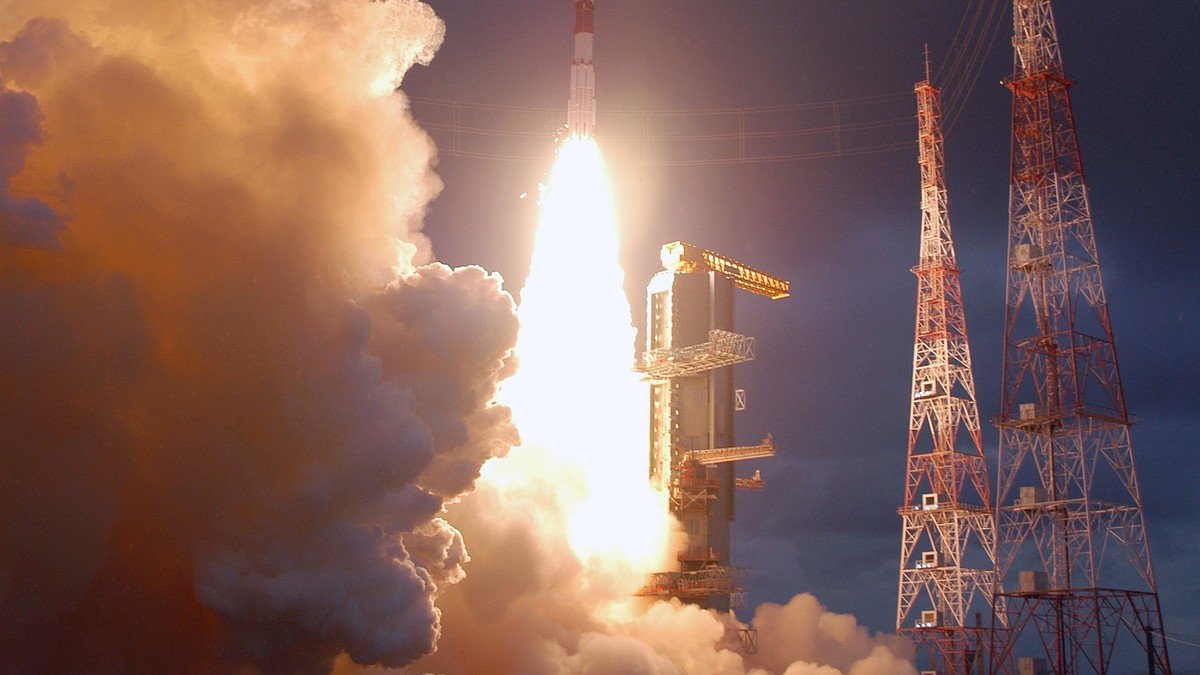
The $5 billion flagship mission is scheduled to lift off aboard a SpaceX Falcon Heavy rocket from Launch Complex 39A during a three-week launch window that opens on October 10. The spacecraft will embark on an intricate 1.8-billion-mile (2.9-billion-kilometer) trajectory utilizing gravity assists from Mars and Earth before entering Jovian orbit in April 2030.
“Propellant loading is one of the most hazardous and critical operations before flight. Our team executed flawlessly, bringing us one giant step closer to Europa's ocean.”
A Decade in Development to Unravel an Alien Ocean World
Once at Jupiter, Clipper will perform 49 low-altitude flybys of Europa, dipping to within 16 miles (25 kilometers) of its fractured icy surface. The spacecraft carries nine state-of-the-art scientific instruments, including ice-penetrating radar, high-resolution cameras, and thermal imagers.
Planetary scientists believe Europa harbors a global subsurface liquid saltwater ocean containing more than double the water of all Earth's oceans combined, making it one of humanity's most promising targets in the search for habitable environments beyond our planet.
Comments (0)
Log in to join the discussion.