

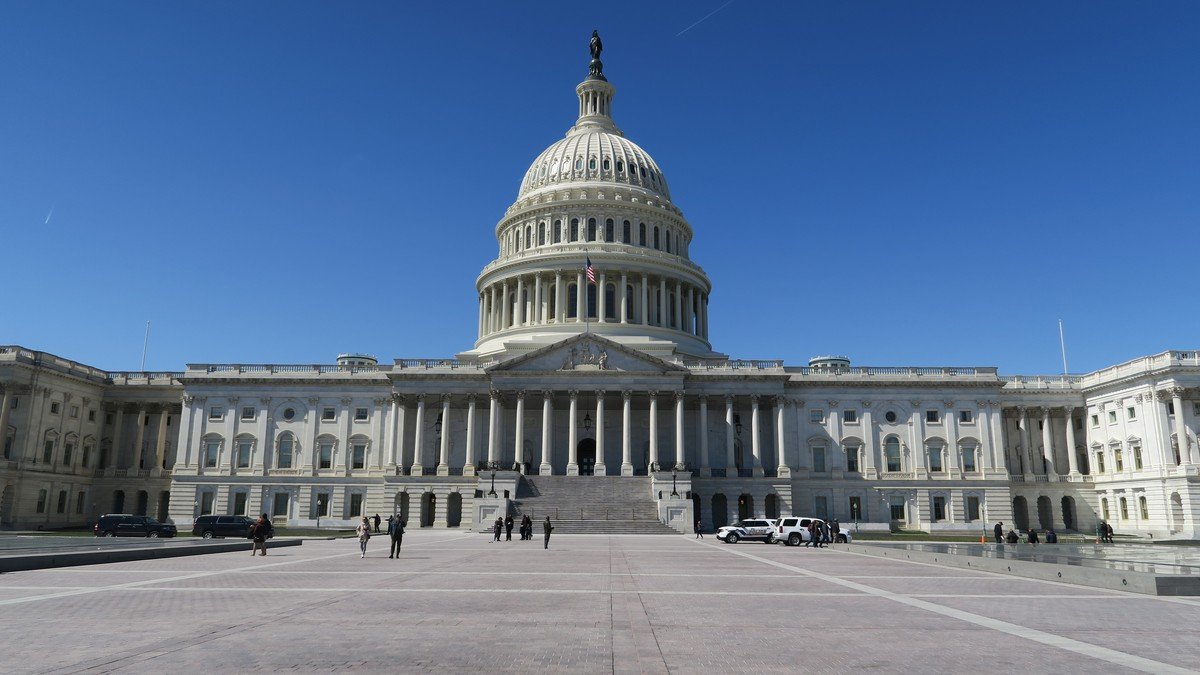
United States House Speaker Mike Johnson unveiled a clean, bipartisan continuing resolution on Capitol Hill, establishing a stopgap funding mechanism to maintain federal government operations through December 20. The legislative compromise directly eliminates the looming threat of a partial government shutdown at the conclusion of the fiscal year on October 1, ensuring uninterrupted financing for military operations, federal law enforcement, and vital public services across the country.
The unveiling followed days of intense negotiations between Johnson, House Democratic Leader Hakeem Jeffries, Senate Majority Leader Chuck Schumer, and Senate Minority Leader Mitch McConnell. Faced with an unyielding October 1 deadline, congressional leadership recognized that failure to pass a funding vehicle would disrupt government payrolls, suspend federal agency functions, and trigger acute economic disruption nationwide.
Stripping the SAVE Act and Navigating House Floor Realities
Under the parameters of the newly formulated continuing resolution, federal discretionary spending will persist at current fiscal year levels through December 20. The targeted measure notably incorporates an additional $231 million in emergency supplemental appropriations for the United States Secret Service, responding to heightened security demands and bipartisan scrutiny following recent assassination attempts against former President Donald Trump. By setting the expiration date in late December, lawmakers have established a post-election lame-duck legislative session to finalize full-year appropriations.
To assemble a viable bipartisan coalition, Johnson abandoned his initial legislative proposal—a six-month stopgap measure bundled with the Safeguard American Voter Eligibility (SAVE) Act, which would have required documentary proof of citizenship to register to vote in federal elections. That earlier iteration was emphatically rejected on the House floor when 14 conservative Republicans broke ranks and nearly all Democrats opposed it. While hardline members of the House Freedom Caucus expressed vocal frustration over the removal of the conservative policy rider, Johnson acknowledged the arithmetic of divided government.
“While this is not the legislation any of us would prefer, a shutdown just weeks before an election would be fiscal malpractice. We are ensuring continuity for essential services while preparing for final appropriations.”
Bipartisan Senate Accord, White House Support, and Electoral Realities
Senate leadership and the White House swiftly signaled their endorsement of the clean resolution. Senate Majority Leader Chuck Schumer praised the decision to discard partisan riders, confirming that the upper chamber will expedite floor consideration as soon as the House delivers the measure. The Biden-Harris administration similarly indicated presidential support, expressing confidence that orderly governance would prevail without manufactured budgetary crises.
The resolution carries profound political ramifications for the November general elections. Lawmakers in competitive swing districts on both sides of the aisle had voiced severe anxiety regarding the electoral fallout of an October shuttering of federal agencies. By averting a pre-election shutdown, incumbents preserve operational stability and clear the calendar to focus on the campaign trail, deferring protracted fiscal battles over the federal debt and annual spending caps to the closing weeks of 2024.


Comments (0)
Log in to join the discussion.