

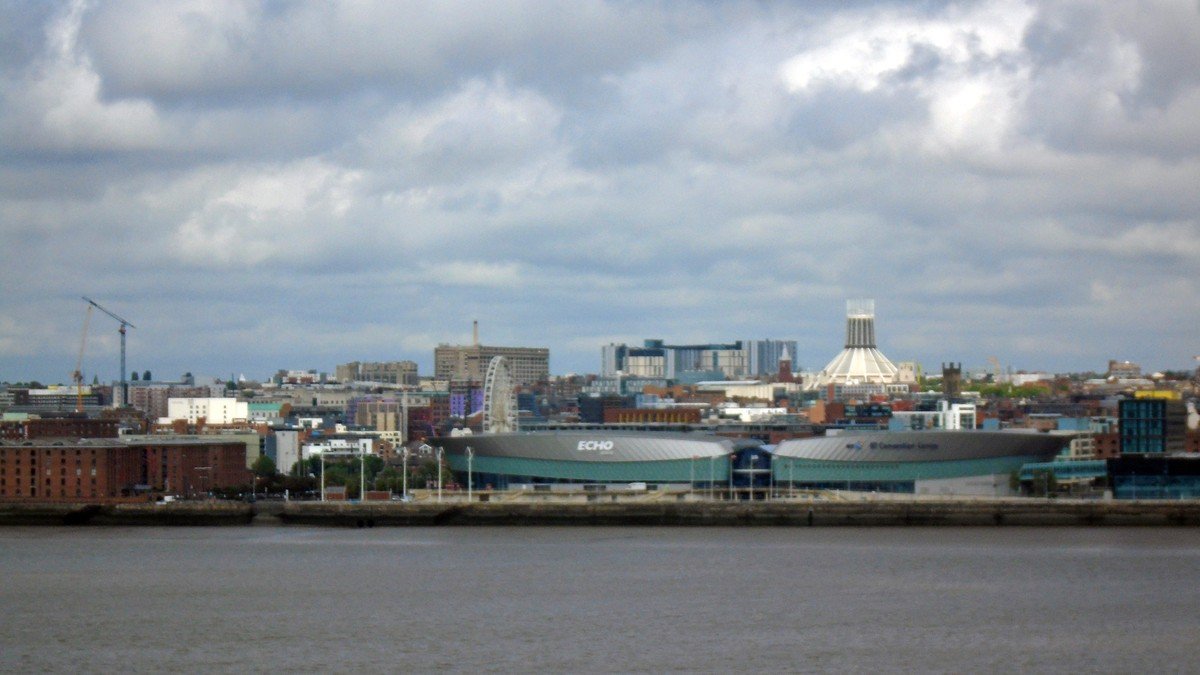
Delivering her maiden conference address as Chancellor of the Exchequer in Liverpool, Rachel Reeves sought to lift the gloom surrounding the United Kingdom's economic outlook, promising delegates a wave of 'shovels in the ground' to rebuild the nation's crumbling public infrastructure while adamantly declaring that there will be no return to austerity.
Speaking before a packed auditorium at the Labour Party Annual Conference, Britain's first female Chancellor laid out an ambitious economic vision predicated on catalytic public and private capital investment. Reeves argued that sustainable long-term economic growth represents the only credible escape route from stagnant living standards and strained public services.
National Renewal Through Capital Investment and Planning Reforms
Reeves directly confronted the political headwinds generated by recent controversial spending cuts, including the curtailment of universal winter fuel payments for pensioners. She placed the blame squarely on the previous Conservative administration, reiterating that her Treasury team uncovered an undisclosed £22 billion fiscal 'black hole' in day-to-day department budgets that necessitated urgent stabilization.
However, the Chancellor made clear that fiscal responsibility would not translate into public sector retrenchment. She signaled potential technical adjustments to the government's fiscal framework ahead of the October 30 Autumn Budget, specifically exploring definitions of public debt that distinguish productive capital borrowing for assets like clean energy grids and transport from day-to-day operational spending.
“My optimism for Britain is burnished, not diminished. There will be no return to austerity. Our growth mission demands investment, and investment means shovels in the ground across every corner of our nation.”
The £22 Billion Fiscal Black Hole and Autumn Budget Preparations
The address spotlighted major structural interventions, including sweeping overhauls to England's restrictive planning regime to fast-track housing developments, battery gigafactories, and onshore wind generation. Reeves announced that stalled regional transport projects and neglected hospital repairs would receive priority capital allocations to unlock private enterprise.
Trade unions and business leaders in attendance cautiously welcomed Reeves's shift toward an investment-focused narrative. While financial markets will scrutinize the detailed tax and spending balance in next month's Budget, Reeves's speech effectively framed infrastructure delivery as the cornerstone of Labour's governing agenda.


Comments (0)
Log in to join the discussion.