

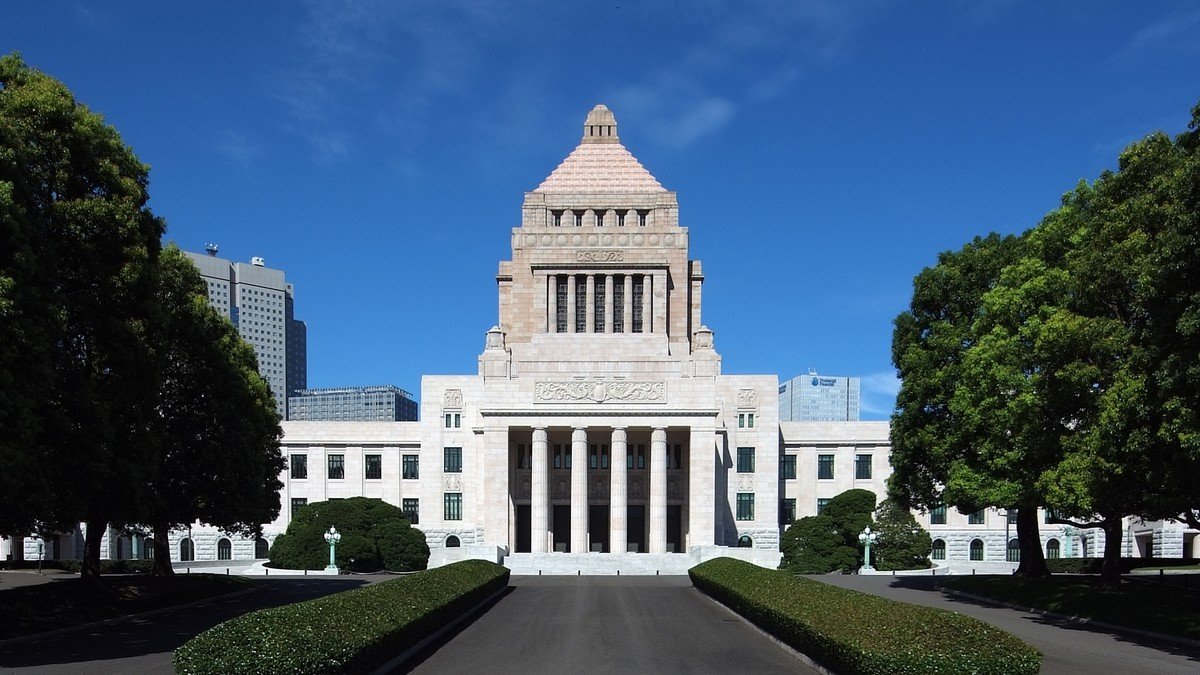
The race to lead Japan's ruling Liberal Democratic Party (LDP) reached a fever pitch on September 23, 2026, as the three primary frontrunners—former Defense Minister Shigeru Ishiba, Economic Security Minister Sanae Takaichi, and former Environment Minister Shinjiro Koizumi—squared off in a decisive final series of televised national debates in Tokyo. With Prime Minister Fumio Kishida stepping aside, the victor of the September 27 ballot is guaranteed to become Japan's next premier due to the ruling coalition's parliamentary majority.
Economic policy and monetary normalization served as the primary battleground among the candidates. With the Bank of Japan cautiously unwinding decades of radical monetary easing, the debate exposed fundamentally conflicting philosophies on how to handle interest rate hikes, stubborn inflation, and persistent depreciation of the yen. The three contenders presented distinct prescriptions for navigating Japan's delicate transition toward a wage-driven, sustainable growth cycle.
Diverging Economic Philosophies: Abenomics vs. Fiscal Prudence
Sanae Takaichi, a staunch disciple of late Prime Minister Shinzo Abe, staked out the most dovish stance, openly questioning the central bank's pace of interest rate increases. She argued that premature monetary tightening would stifle emerging domestic capital expenditure and private consumption. Instead, Takaichi proposed expansive strategic fiscal stimulus funded by targeted crisis-resilience bonds, prioritizing quantum computing, nuclear fusion, and defense tech.
Conversely, Shigeru Ishiba advocated fiscal consolidation, structural tax reform, and continued gradual monetary normalization to mitigate imported inflation that disproportionately punishes regional households. Ishiba championed a bottom-up regional revitalization framework, pledging to double central government subsidies to rural prefectures, decentralize ministry agencies away from Tokyo, and establish a dedicated cabinet-level Disaster Management Agency.
“We must restore the public's shaken faith in politics through utter transparency, while ensuring our economic revival reaches regional communities that have been left behind for decades.”
Political Trust, Defense Modernization, and the Path to the Premiership
Shinjiro Koizumi, seeking to become Japan's youngest modern prime minister, positioned himself as the candidate of radical generational renewal and deregulation. Koizumi pledged to liberalize labor market regulations within his first year to stimulate worker mobility, eliminate outdated corporate severance penalties, and introduce legally mandated political donation transparency to definitively close the chapter on the party's slush fund scandals.
With 367 parliamentary Diet votes and an equivalent 367 local rank-and-file party votes up for grabs, no single candidate appears positioned to secure an outright majority in the first round. Political analysts anticipate a high-stakes second-round runoff between two of the three frontrunners, where factional loyalties, behind-the-scenes bargaining, and public electability ahead of an inevitable autumn snap election will decide the fate of Nagatacho.

Comments (0)
Log in to join the discussion.