

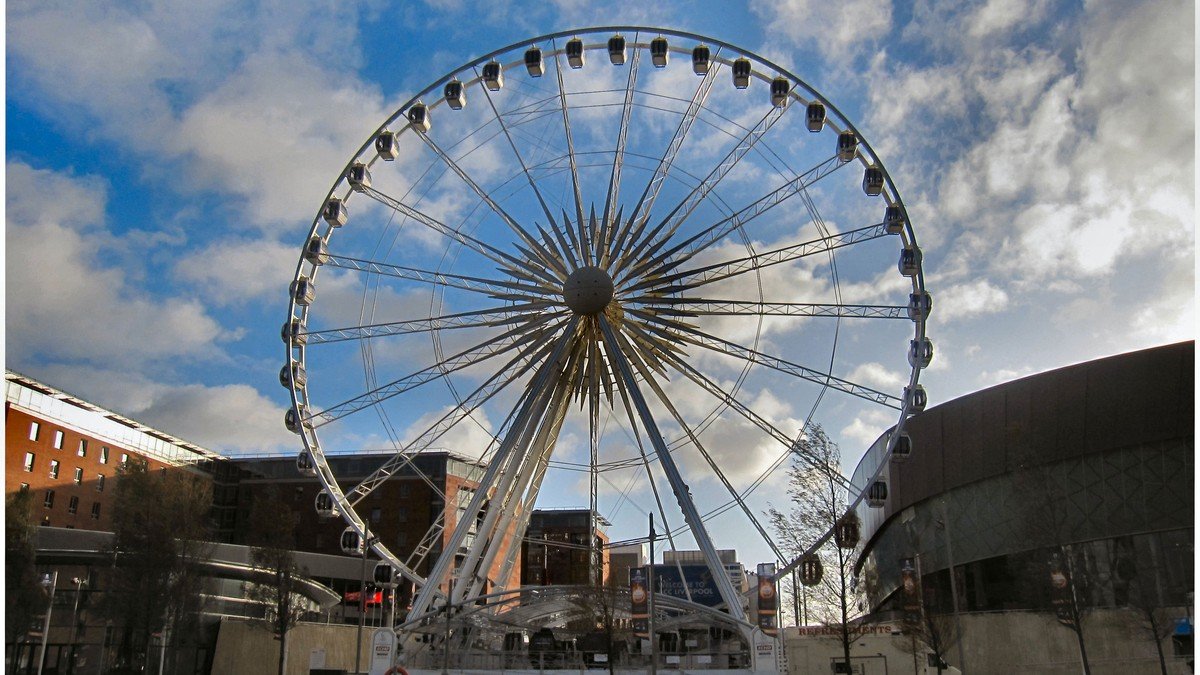
Prime Minister Keir Starmer took the stage at the Labour Party Annual Conference in Liverpool to deliver his leader's address, presenting a candid assessment of the United Kingdom's economic landscape while making the case for decisive state-led reform. Addressing a packed hall of delegates, cabinet colleagues, and trade union leaders, Starmer combined warnings of fiscal restraint with affirmative commitments to modernise national infrastructure, energy security, and regional industry.
The atmosphere across the conference centre was marked by solemn resolve as Labour gathered for its first conference in government in fourteen years. Conscious of widespread public anxiety over high mortgage rates and strained public services, Starmer sought to redefine the political narrative, insisting that enduring economic growth cannot be built on populist promises or unfunded spending. The address marked a strategic pivot from electoral campaigning to disciplined executive authority.
Confronting the £22 Billion Deficit and Launching Great British Energy
Central to Starmer's message was the forthcoming autumn budget, where Chancellor Rachel Reeves is expected to introduce targeted tax adjustments and strict expenditure constraints to address a £22 billion black hole in public finances. The Prime Minister told delegates that the shortfall left behind by the previous administration necessitated uncomfortable decisions, but promised that burdens would not be disproportionately placed on working families.
On industrial policy, Starmer confirmed that the newly established publicly owned clean energy entity, Great British Energy, will be headquartered in Aberdeen. Backed by £8.3 billion in public capital over the course of the parliament, the venture is designed to co-invest with the private sector in offshore wind, marine technologies, and hydrogen, establishing northeastern Scotland as a premier hub for the global green energy transition.
“The cost of filling that black hole will be shared fairly, but I will not risk economic stability. There are no easy answers, but there is light at the end of the tunnel.”
Planning Deregulation, Union Responses, and the Path to Renewal
The Prime Minister also vowed to confront systemic planning delays, describing Britain's planning regime as an archaic barrier to growth and wealth creation. Pledging to overhaul planning rules, Starmer declared that national housing targets of 1.5 million homes over five years and crucial energy transmission grid projects would take precedence over localized obstructionism, promising a builder's rather than a blocker's mindset.
While delegates enthusiastically cheered the Aberdeen headquarters confirmation and protective employment rights legislation, trade union leaders registered caution regarding public sector spending limits and welfare adjustments. In his closing remarks, Starmer insisted that patient, disciplined governance remains the only credible pathway out of economic stagnation, urging the country to stay the course toward sustainable prosperity.

Comments (0)
Log in to join the discussion.