

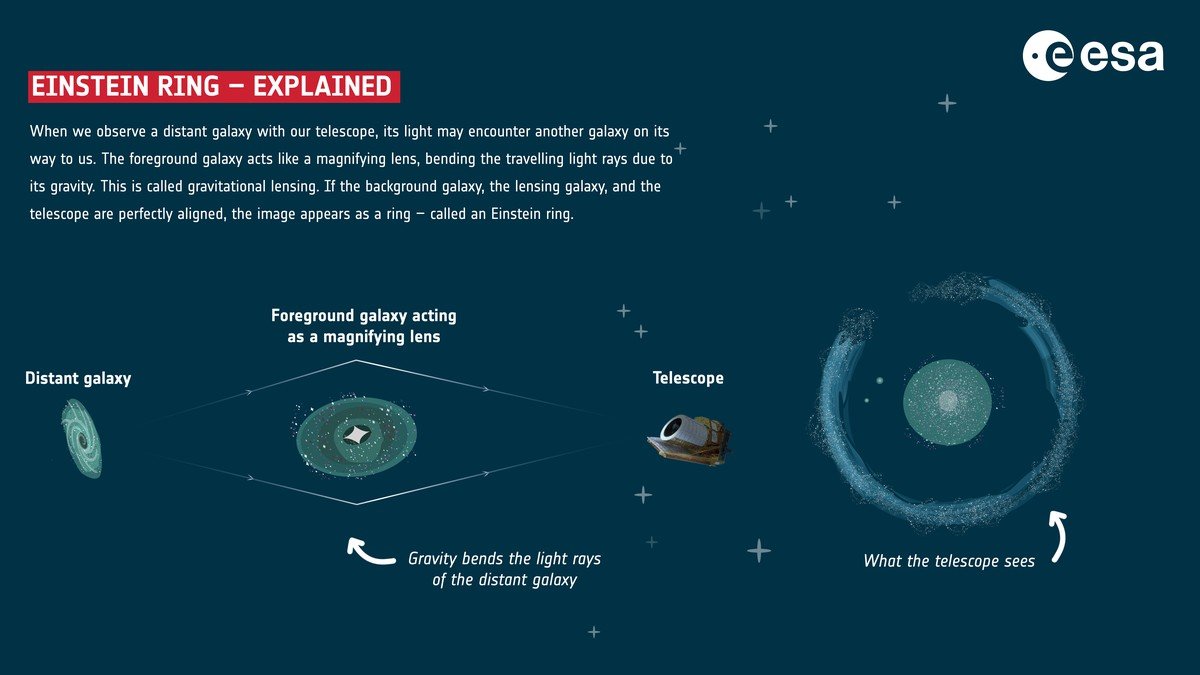
The European Space Agency (ESA) on September 24, 2026, officially published the first monumental slice of its wide-field cosmic survey captured by the Euclid space telescope. Comprising 208 gigapixels and encompassing approximately 14 million galaxies across the southern celestial hemisphere, the breathtaking panoramic mosaic marks the formal beginning of astronomy's most ambitious campaign to map the dark components governing cosmic expansion.
Positioned at the Sun-Earth Lagrange Point 2 (L2), approximately 1.5 million kilometers from Earth, Euclid compiled the giant mosaic from 260 discrete pointings conducted over just two weeks. Despite covering an area equivalent to 500 times the diameter of the full Moon, the imagery represents merely one percent of the comprehensive six-year cosmological survey Euclid is slated to execute.
A Cosmic Cartography Breakthrough: 14 Million Galaxies in a Single Strip
The mission pairs two state-of-the-art scientific payloads: the VISible instrument (VIS), a 600-megapixel optical camera delivering razor-sharp morphological clarity, and the Near-Infrared Spectrometer and Photometer (NISP), which calculates precise cosmic distances and photometric redshifts across billions of light-years.
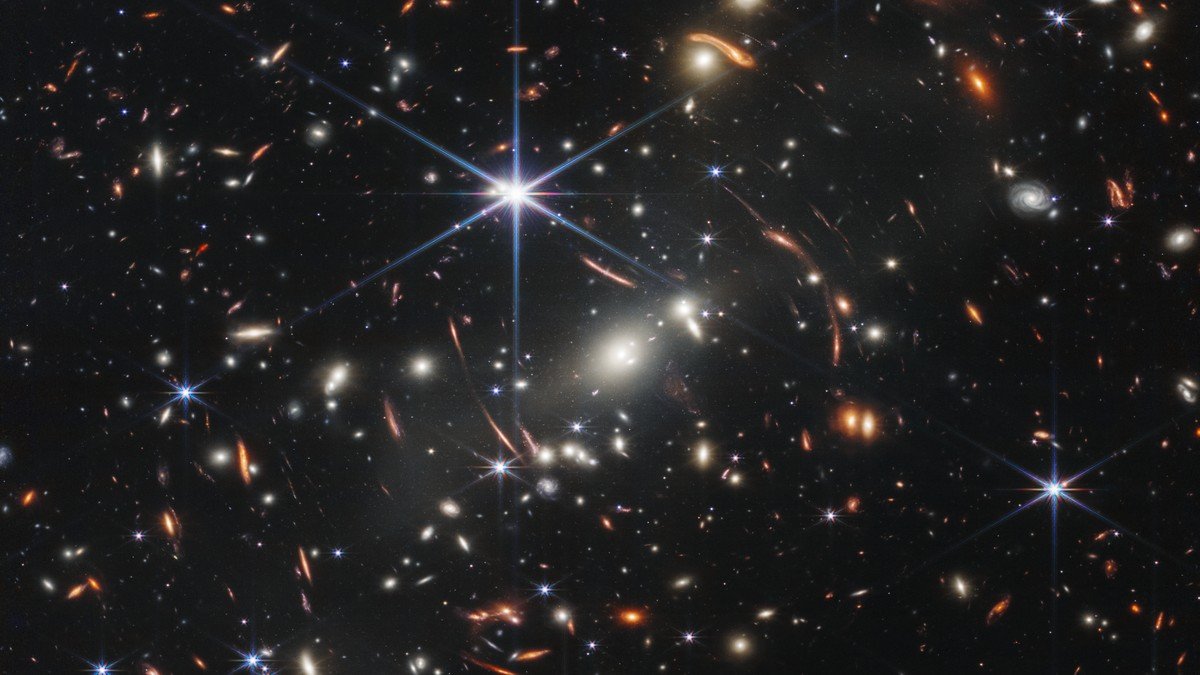
By simultaneously resolving the microscopic shapes and macroscopic distribution of galaxies, Euclid enables researchers to measure weak gravitational lensing—the minute distortion of background starlight caused by the invisible gravitational pull of intervening dark matter scaffolding.
“This breathtaking mosaic is just one percent of the total survey Euclid will conduct over the next six years, yet it already reveals millions of cosmic structures in astonishing resolution.”
Probing Dark Energy, Dark Matter Scaffolding, and Cosmic Evolution
Astrophysicists worldwide will leverage the high-resolution survey to investigate the mystery of dark energy, the accelerated expansion of the universe, and potential deviations from Albert Einstein's general theory of relativity on cosmological scales.
The Euclid Consortium confirmed that the raw observational data from this first cosmic slice is now accessible through public science archives, allowing planetary scientists and cosmologists worldwide to study galactic clustering and primordial dark matter halos.

Comments (0)
Log in to join the discussion.