

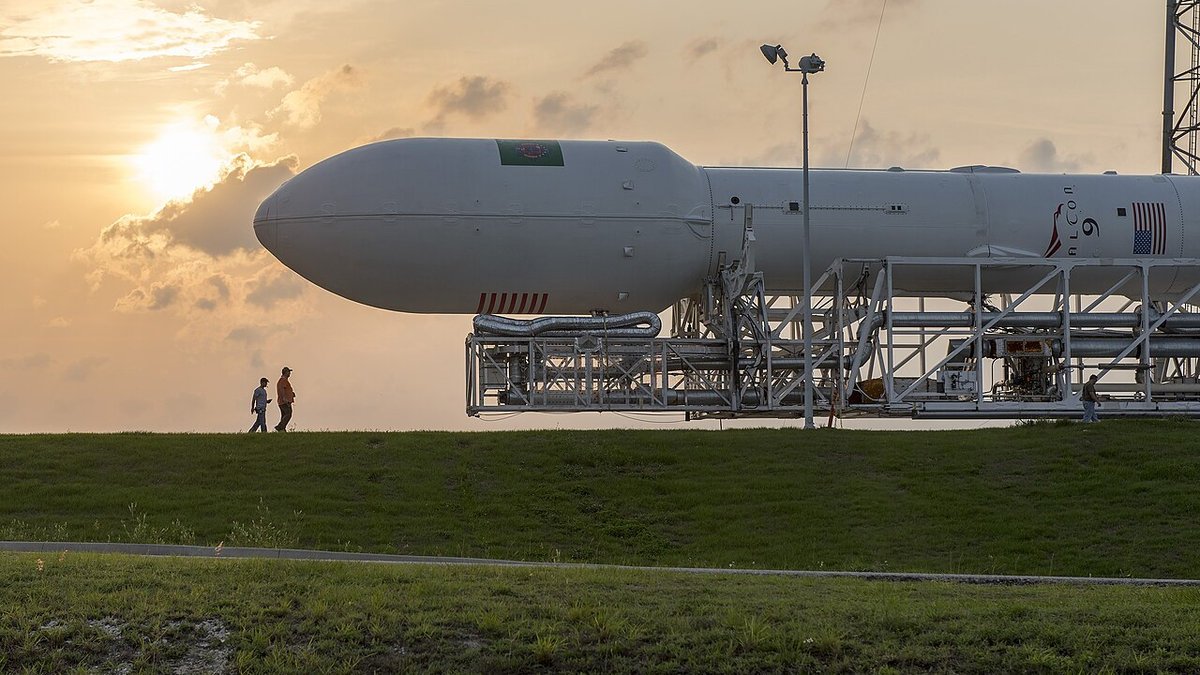
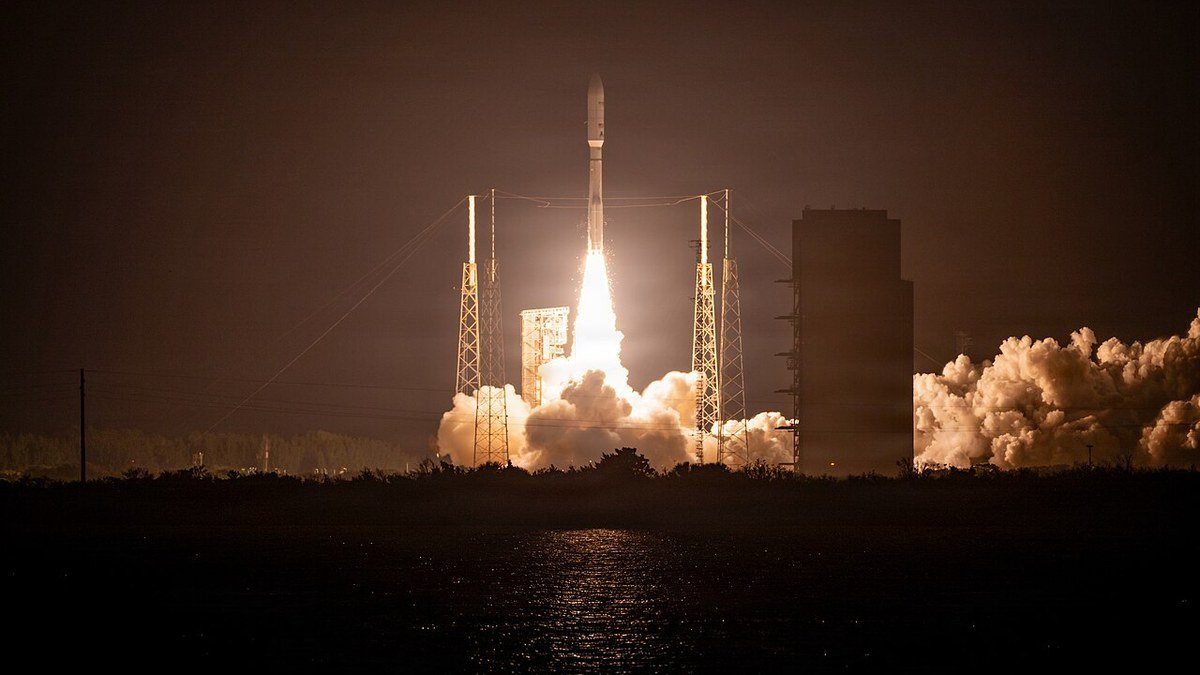
The European Space Agency's Hera planetary defense spacecraft launched successfully aboard a SpaceX Falcon 9 rocket from Cape Canaveral Space Force Station in Florida on Monday morning, embarking on an ambitious deep-space journey.
The probe separated cleanly from the rocket's second stage approximately 76 minutes after liftoff, immediately acquiring acquisition of signal at the European Space Operations Centre in Darmstadt, Germany.
Europe's First Dedicated Planetary Defense Mission
Hera represents Europe's primary contribution to an international planetary defense initiative, following NASA's Double Asteroid Redirection Test (DART), which intentionally collided with the asteroid moonlet Dimorphos in September 2022.
Over the course of its two-year cruise, Hera will perform a flyby of Mars in early 2025 before arriving at the binary asteroid system Didymos and its diminutive satellite in late 2026.
“Hera is Europe's bold contribution to planetary defense, providing the essential ground-truth measurements needed to transform asteroid deflection from an experiment into a repeatable defense tool.” — Josef Aschbacher, Director General of the European Space Agency
Investigating the Aftermath of Kinetic Asteroid Deflection
Upon arrival, Hera will deploy two shoebox-sized CubeSats, Milani and Juventas, to conduct internal radar sounding and ultra-close imaging of the impact crater left behind by the DART spacecraft.
Scientists anticipate that Hera's measurements of Dimorphos's mass, structural composition, and orbital period will establish the precise mathematical physics required to deflect threatening near-Earth asteroids in the future.
Frequently Asked Questions
What is the primary scientific goal of the ESA Hera mission?
Hera will perform detailed post-impact forensic analysis of Dimorphos to determine the mass, crater geometry, and momentum transfer caused by NASA's DART collision.
When will the Hera spacecraft arrive at the Didymos asteroid?
The probe is scheduled to enter orbit around the Didymos binary asteroid system in late 2026 after completing a gravitational assist flyby of Mars.


Comments (0)
Log in to join the discussion.