

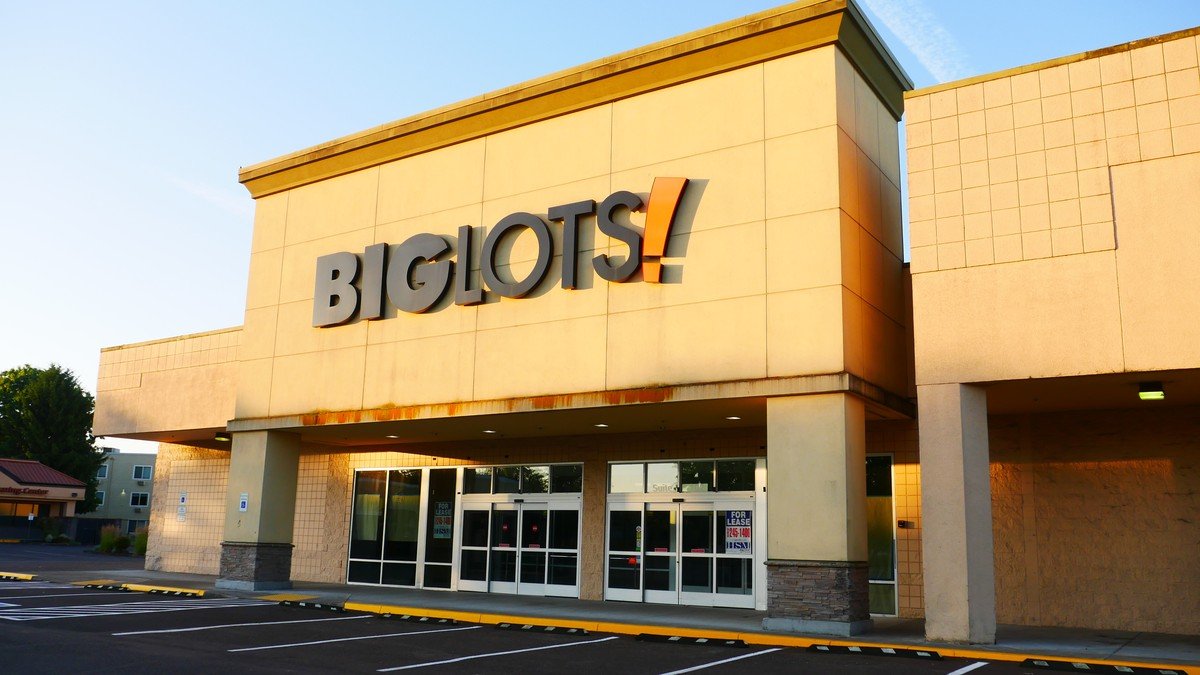
Discount home goods retailer Big Lots moved into the next phase of its Chapter 11 reorganization this weekend after receiving U.S. Bankruptcy Court authorization in the District of Delaware to access additional tranches of its $707.5 million debtor-in-possession (DIP) financing facility and reject commercial leases at dozens of additional underperforming brick-and-mortar locations.
Headquartered in Columbus, Ohio, the 57-year-old closeout chain filed for voluntary Chapter 11 protection earlier this month alongside a stalking-horse asset purchase agreement with private equity firm Nexus Capital Management. Under the court-supervised Section 363 sale structure, Nexus Capital has agreed to acquire substantially all of Big Lots' ongoing business operations and core store fleet unless a higher or better competing bid emerges before the court-mandated auction deadline.
Debtor-in-Possession Liquidity and Nexus Capital Stalking-Horse Bid
Recent court dockets show that Big Lots has expanded its store footprint rationalization program to encompass nearly 500 locations nationwide—representing roughly one-third of the approximately 1,389 stores the company operated at the start of the fiscal year. California, Florida, Texas, Arizona, and Washington account for the highest concentrations of lease rejections as real estate advisors negotiate rent concessions with commercial landlords.
Industry analysts attribute Big Lots' financial distress to a confluence of post-pandemic macroeconomic headwinds. Elevated mortgage rates and persistent inflation sharply curtailed discretionary spending among low- and middle-income households on big-ticket furniture, mattresses, and seasonal patio merchandise—categories that historically generated Big Lots' highest operating margins—while fierce competition from Walmart, Target, and off-price rivals T.J. Maxx and HomeGoods eroded foot traffic.
“These court approvals provide the liquidity and operational stability required to right-size our store footprint and transition the business toward a stronger, more competitive value retail model.”
Lease Rationalization and Pressures on Big-Ticket Discount Retail
Despite the accelerated store wind-down sales at designated closing sites, Big Lots emphasized that its remaining network of profitable stores and online fulfillment centers are continuing normal operations. The court-approved DIP credit facility, led by existing secured lenders and Nexus affiliates, guarantees timely payment to merchandise suppliers, freight carriers, and store associates.
Management plans to pivot the reorganized enterprise back toward extreme-value closeout sourcing—buying excess branded inventory and overstocks at steep discounts—aiming to complete the sale transaction to Nexus Capital during the fourth quarter of 2024 ahead of the crucial holiday shopping season.


Comments (0)
Log in to join the discussion.