

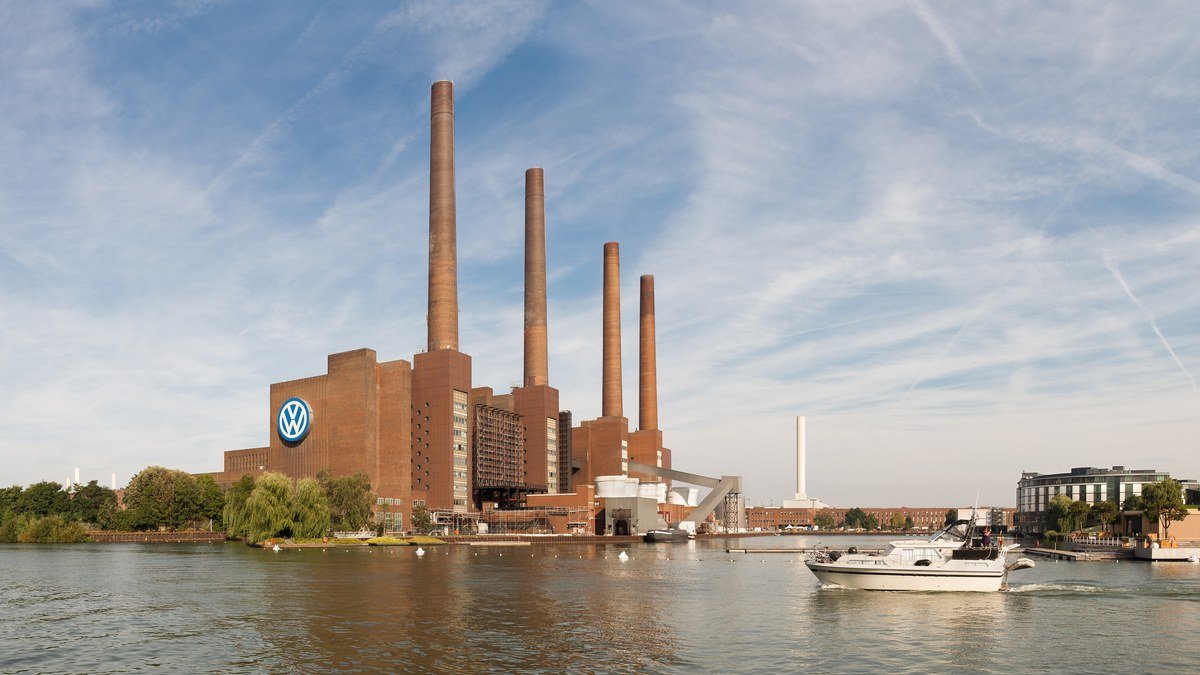
Volkswagen Group, Europe's largest automaker, entered an acute restructuring crisis in September 2024 when management formally announced that the company was considering closing at least three German factories and implementing mass layoffs—actions that would be unprecedented in the group's 87-year history. The announcement sent shockwaves through Germany's auto industry, trade unions, and the political establishment.
Chief Executive Oliver Blume and CFO Arno Antlitz convened emergency meetings with works council representatives and IG Metall leadership after the announcement provoked immediate and severe union opposition. VW's supervisory board, which under German law includes equal employee and shareholder representation, was briefed on the scale of the restructuring plans, which reportedly included cutting tens of thousands of jobs across Germany.
The Restructuring Crisis: Scope and Background
VW management cited multiple converging pressures: European demand for electric vehicles had grown more slowly than projected, leaving VW with significant factory overcapacity; Chinese competitors led by BYD had rapidly gained market share both in Europe and in China—historically VW's most profitable market; and VW's cost per vehicle produced remained significantly higher than competitors such as Toyota, Stellantis, and emerging Chinese OEMs.
The company stated it needed to close a cost gap equivalent to roughly €10 billion, achievable only through a combination of factory rationalisation, workforce reduction, and model-line consolidation. Three factories in Germany were identified as particularly vulnerable, including sites in Osnabrück and Dresden.
“Factory closures and mass layoffs in Germany are not acceptable. We will use every legal and democratic instrument available to us to prevent this.”
Union Response and the German Co-Determination Factor
IG Metall, Germany's powerful metal workers' union representing over 2.2 million members, formally rejected any factory closures and demanded that VW find alternative cost-reduction paths. Union representatives pointed to strong order books for some models and questioned VW's cost accounting methodology. They proposed wage freezes and investment deferrals as alternatives to job cuts.
The crisis unfolded against a broader backdrop of German industrial stress: energy costs had risen sharply since 2022, the German economy contracted for two consecutive years, and government EV purchase subsidies—which had supported EV demand—were abruptly cancelled in late 2023. Political pressure on VW was intense, with chancellors and state premiers publicly calling for a negotiated solution that preserved jobs.

Comments (0)
Log in to join the discussion.