
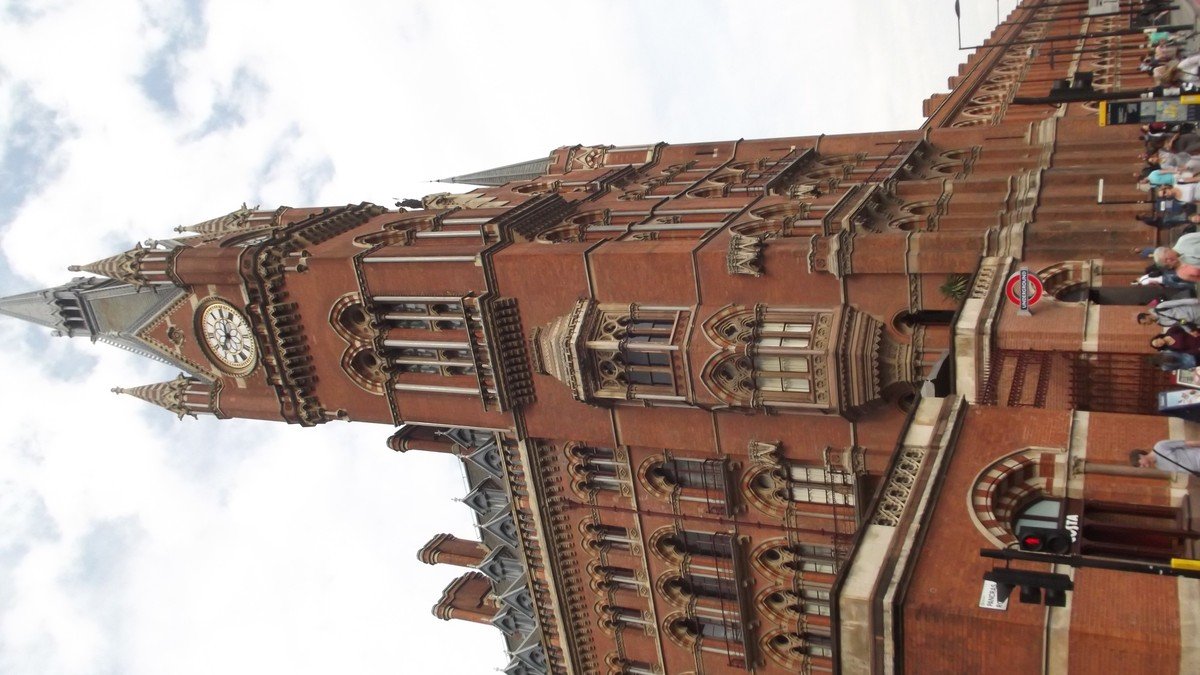
Eurostar Group detailed an ambitious strategic roadmap on Tuesday to introduce direct, high-speed passenger rail services linking London St Pancras International directly with major German metropolitan destinations, including Cologne, Düsseldorf, and Frankfurt.
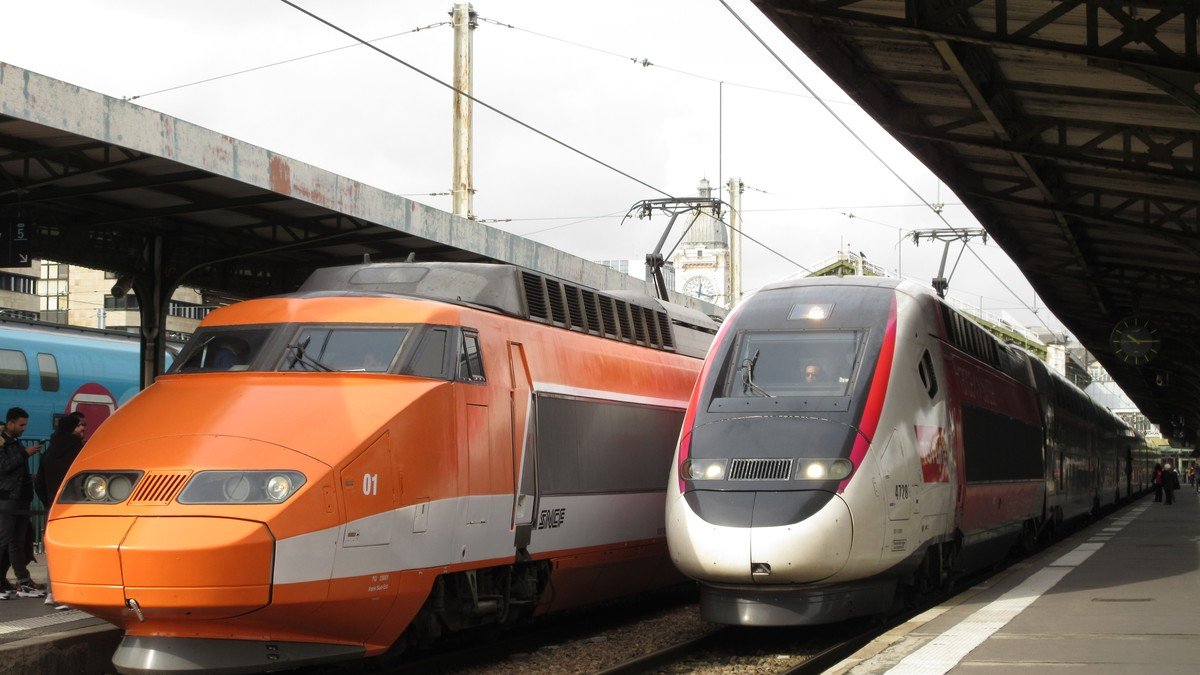
The international rail operator, created from the merger of Eurostar and continental high-speed operator Thalys, announced it has formally launched an open procurement process for up to 50 new multi-system high-speed trainsets. The multi-billion-euro investment will replace aging e300 rolling stock while growing the overall operating fleet to support heavy service expansion.
Up to 50 New Trains to Power Continental Expansion
Currently, travelers heading from London to Germany by rail must disembark at Brussels-Midi station in Belgium, navigate cross-platform transfers, and board a Deutsche Bahn ICE or Thalys service. Direct services will cut travel times between London and Cologne to under four hours, establishing a highly competitive alternative to short-haul commercial aviation.
The operator aims to carry 30 million passengers annually across its entire five-country European network by 2030, a sharp increase from the 19 million travelers transported across Britain, France, Belgium, the Netherlands, and Germany in 2023.
“There is a massive appetite among travelers across Europe for sustainable, seamless high-speed rail. Direct services between London and Germany will unlock a new chapter in continental connectivity and help travelers slash their carbon footprint.”
Eliminating the Brussels Bottleneck for Low-Carbon Travel
Realizing the direct German routes requires addressing complex post-Brexit border security architecture. Because the United Kingdom sits outside the Schengen passport-free travel area, dedicated secure departure zones with juxtaposed border controls—accommodating both UK Border Force and German federal police—must be engineered at key German terminus stations.
Eurostar executives confirmed they are actively collaborating with German rail infrastructure owner Deutsche Bahn and station authorities in North Rhine-Westphalia and Hesse to design passenger screening facilities and secure the required electrical signaling approvals for train operations across the Rhine corridor.
Comments (0)
Log in to join the discussion.