

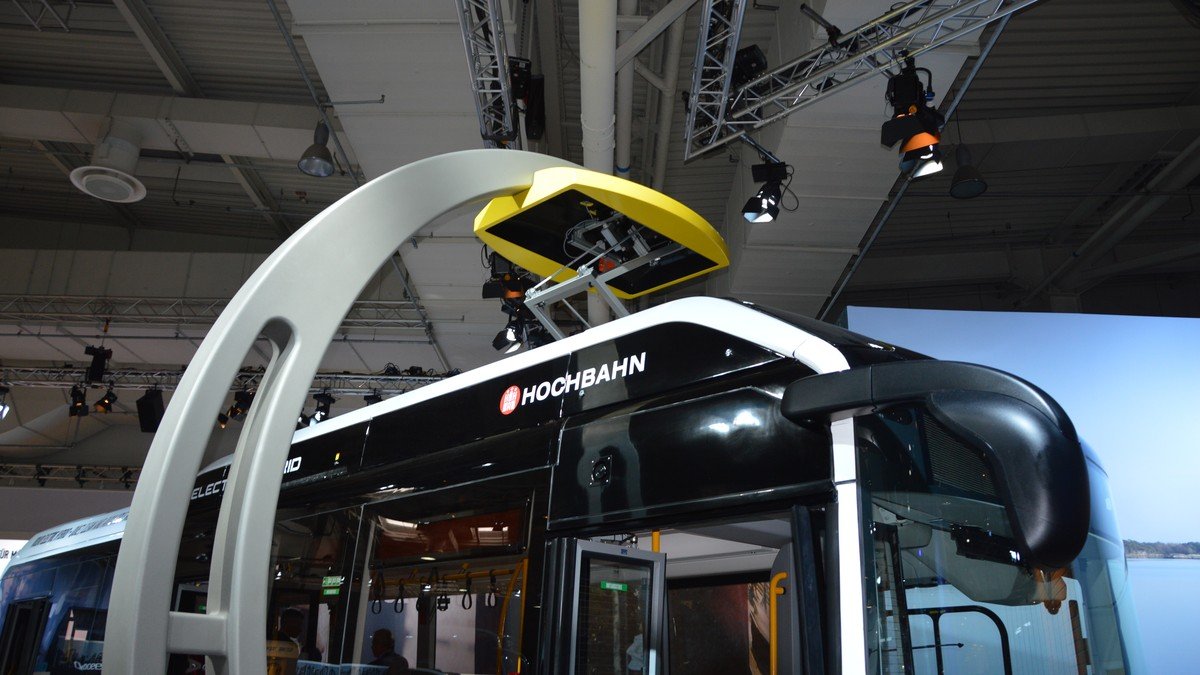
Volvo Cars has officially abandoned its landmark target of selling exclusively fully electric vehicles by 2030, becoming the latest major global automaker to moderate its electrification roadmap in response to cooling consumer demand and sluggish charging infrastructure expansion.
The Gothenburg-based company, majority-owned by China's Geely Holding, announced on Tuesday that it now aims for electrified vehicles—combining fully electric models and plug-in hybrids—to account for between 90% and 100% of its global sales volume by 2030. The remaining balance of up to 10% will allow for a limited number of mild-hybrid models if market conditions dictate.
Recalibrating the Electrification Timetable
Under its previous strategic plan unveiled in 2021, Volvo had positioned itself as one of the most aggressive legacy carmakers in committing to phase out all internal combustion engines, including hybrids, by the end of the decade. However, adoption across key European and North American territories has decoupled from initial projections.
Volvo executives pointed to several external headwinds that prompted the strategic rethink. Slower-than-expected installations of public high-speed charging stations, the abrupt elimination of consumer EV subsidies in major markets like Germany, and newly imposed import tariffs on Chinese-made battery electric vehicles have created significant friction for prospective buyers.
“We are resolute in our belief that our future is electric. However, it is clear that the transition to electrification will not be linear, and customers and markets are moving at different speeds of adoption.”
Infrastructure Gaps and Policy Headwinds Reshape Strategy
To support the revised timeline, Volvo announced refreshed investment in its plug-in hybrid lineup, including upgrades to its best-selling XC60 and XC90 luxury SUVs. Plug-in hybrids, which offer substantial battery-only urban ranges alongside gasoline engines for long-distance travel, have surged in popularity as practical bridges for anxious drivers.
Volvo's retreat mirrors similar moves across the automotive industry, with giants including Mercedes-Benz, Ford, General Motors, and Toyota all re-evaluating their pure-EV trajectories. Despite the adjustment, Volvo noted that fully electric vehicles accounted for 26% of its global deliveries in the second quarter of 2024, representing one of the highest shares among traditional manufacturers.
Comments (0)
Log in to join the discussion.