

Volkswagen AG, Europe's largest automaker by revenue, slashed its full-year 2024 financial and delivery guidance late Friday, issuing its second profit warning in less than three months as weak European consumer demand and fierce electric vehicle competition in China weigh on earnings. In an ad-hoc disclosure to the Frankfurt Stock Exchange, the Wolfsburg-based manufacturer announced that it now expects an annual operating return on sales of approximately 5.6%, down sharply from its previous target range of 6.5% to 7.0%.
For the first time since the pandemic supply-chain disruptions, Volkswagen also forecast a contraction in annual vehicle handovers. Global deliveries to customers are now projected to reach roughly 9.0 million units in 2024—down from 9.24 million in 2023 and abandoning the company's earlier expectation of up to a 3% volume increase. Consolidated group sales revenue is projected to dip by 0.7% to around 320 billion euros ($357 billion).
Slumping Core Brand Performance and China Market Headwinds
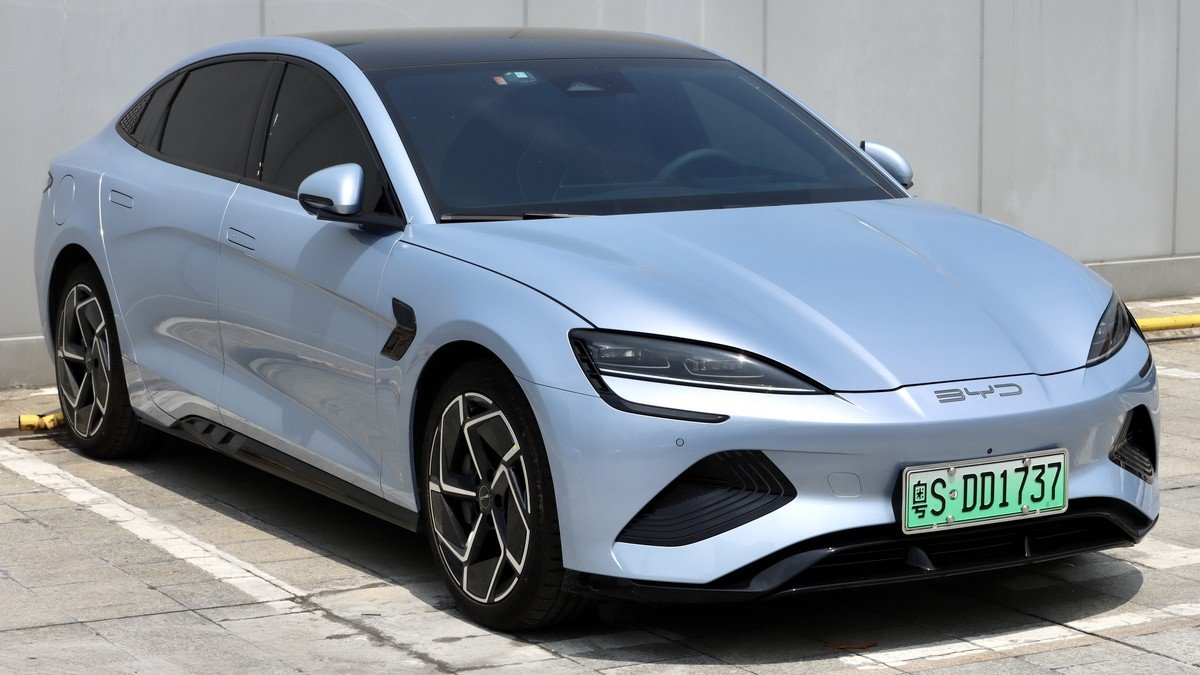
Management attributed the downgrade primarily to underperformance at the core Volkswagen Passenger Cars brand, the Volkswagen Commercial Vehicles division, and the group's Tech Components unit. In addition, the automaker cited a deterioriating macroeconomic environment and heightened price competition in China, where domestic electric vehicle manufacturers led by BYD have eroded Volkswagen's long-standing market share.
The profit warning also included a steep reduction in net cash flow expectations for the automotive division, which was cut to around 2.0 billion euros from a prior forecast of 2.5 billion to 4.5 billion euros. Approximately 2.0 billion euros of that cash flow figure stems from mergers and acquisitions expenses, including Volkswagen's strategic joint venture investment with U.S. electric vehicle maker Rivian Automotive.
“A challenging macroeconomic environment and intense competition in key markets are weighing on our core passenger and commercial vehicle brands, requiring decisive structural cost discipline.”
Cash Flow Compression Heightens Stakes in German Labor Negotiations
The bleak financial update comes just days after Volkswagen executives and leaders of Germany's powerful IG Metall industrial union opened contentious collective bargaining negotiations in Hanover. Earlier this month, Volkswagen terminated its three-decade-old job security pact—which had protected German employees from compulsory layoffs through 2029—and warned that domestic plant closures can no longer be ruled out.
Volkswagen's shares fell in late Frankfurt trading following the announcement, dragging down European automotive peers including BMW and Mercedes-Benz, both of which also lowered their 2024 profit outlooks earlier in September. Industry analysts noted that the sharp margin compression strengthens CEO Oliver Blume's argument for deep structural restructuring in Germany while raising pressure from labor representatives demanding affordable mass-market electric models.

Comments (0)
Log in to join the discussion.