

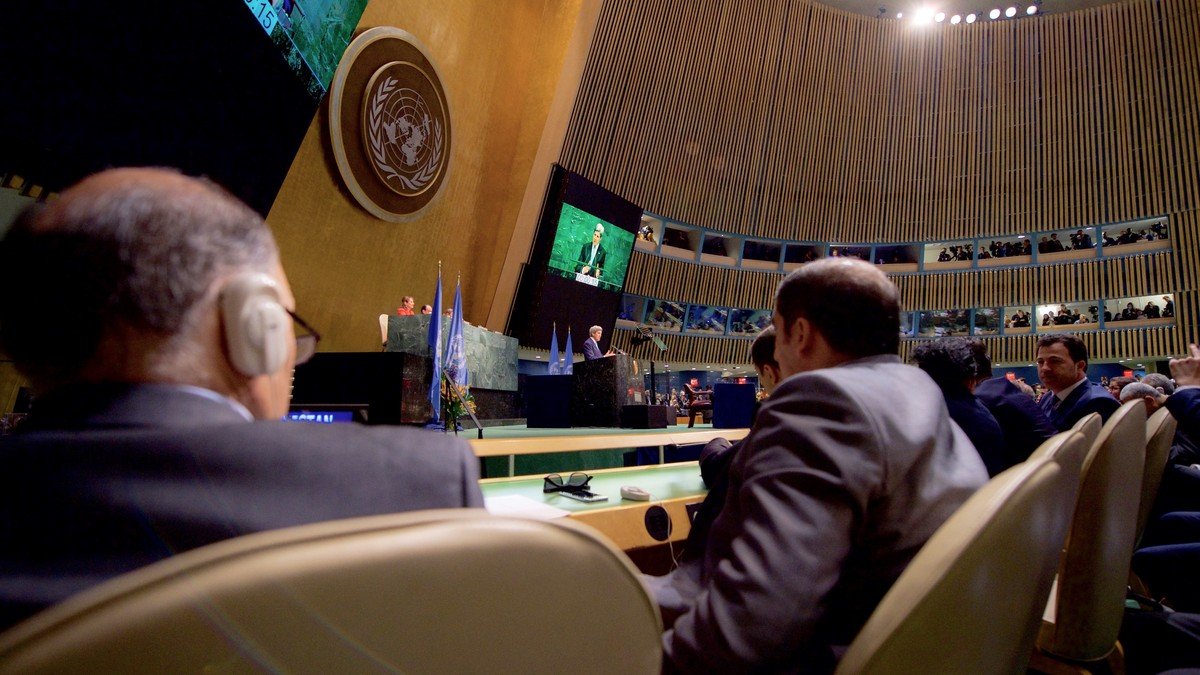
The core high-level deliberations of the 79th session of the United Nations General Assembly (UNGA 79) reached a pivotal juncture at UN Headquarters in New York, as heads of state, prime ministers, and foreign ministers delivered sweeping assessments of the international order. Throughout the marathon diplomatic sessions, an overwhelming consensus emerged that mid-twentieth-century multilateral institutions require urgent structural modernization to remain credible.
Opening the summit following the adoption of the landmark Pact for the Future, UN Secretary-General António Guterres cautioned world leaders that rising geopolitical polarization, unchecked military escalations, and widening economic inequality have pushed international cooperation to a breaking point. He urged member states to replace zero-sum rivalry with renewed adherence to the United Nations Charter.
Pushing for Security Council Expansion and Institutional Equity
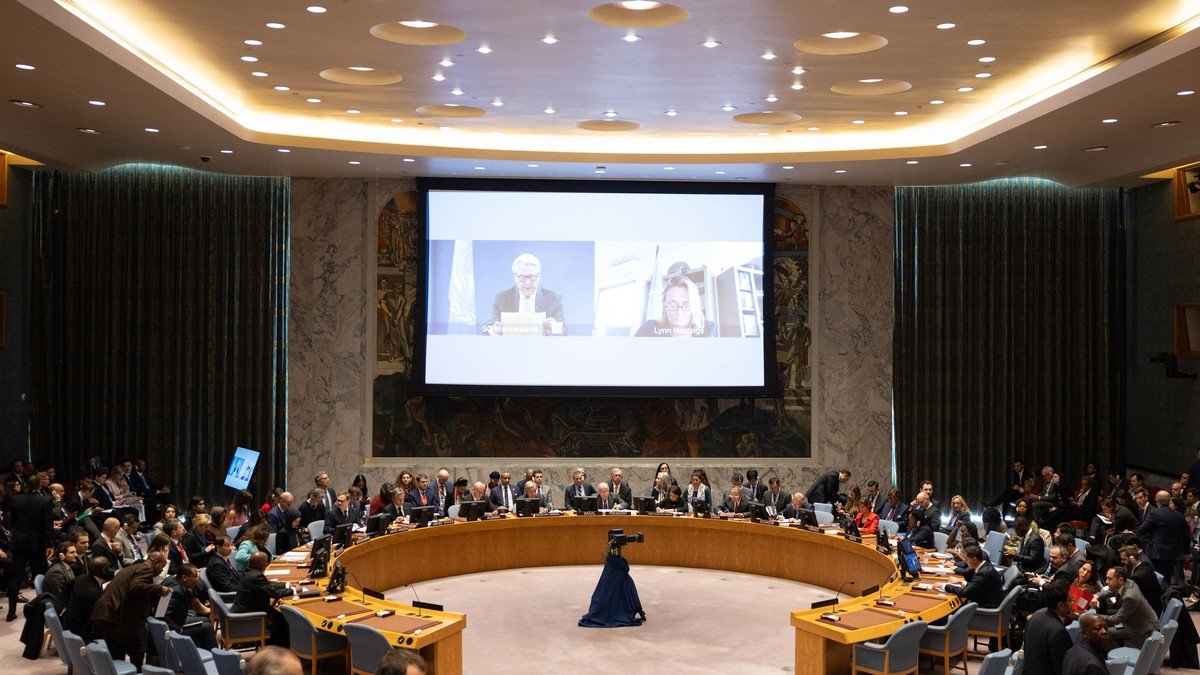
A central pillar of the week's debates centered on overhauling the 15-member UN Security Council. Leaders from across the Global South—spearheaded by the African Union, Brazil, India, and small island developing states—argued that a council structure frozen in the post-1945 era fails to reflect contemporary geopolitical realities and frequently succumbs to permanent-member veto deadlocks.
Even permanent council members, including the United States, France, and the United Kingdom, voiced support for creating permanent seats for African nations and expanding representation for Latin America and the Indo-Pacific. Diplomatic working groups are scheduled to begin text-based intergovernmental negotiations during the current session to translate rhetorical commitments into charter amendments.
“We cannot solve twenty-first-century crises with twentieth-century institutions. Multilateralism must be reformed to become more networked, more inclusive, and far more effective in delivering peace and justice.”
Reforming Global Finance and Confronting Regional Conflicts
Beyond security governance, leaders from emerging economies demanded fundamental reforms to the international financial architecture, including the International Monetary Fund and the World Bank. Speakers highlighted that punitive sovereign borrowing costs and mounting debt-service burdens are starving developing nations of capital needed for healthcare, education, and climate adaptation.
While fierce disagreements persisted regarding the wars in Ukraine, Gaza, Lebanon, and Sudan, General Assembly President Philemon Yang emphasized that the forum remains humanity's indispensable venue for dialogue. As diplomatic delegations depart New York, focus shifts to whether member states will match their General Assembly pledges with concrete legislative and financial action.
Comments (0)
Log in to join the discussion.