

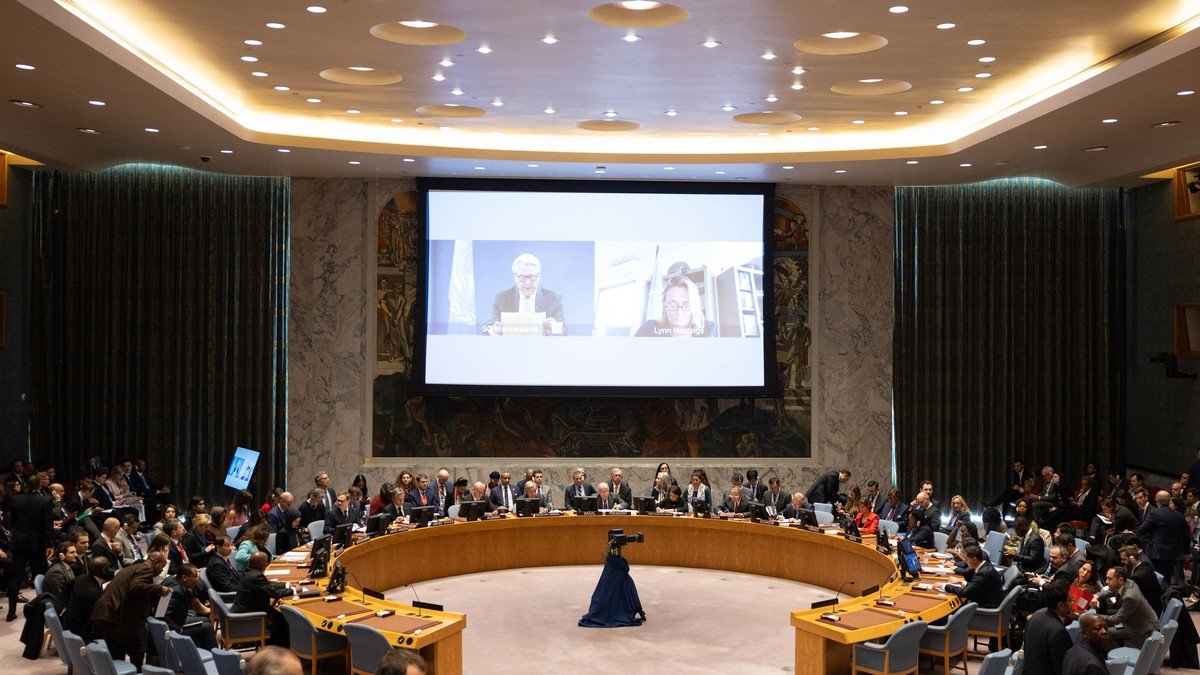
At an emergency session of the United Nations Security Council convened in New York, newly appointed French Minister for Europe and Foreign Affairs Jean-Noël Barrot, acting in close concert with President Emmanuel Macron and the United States administration, officially unveiled a joint proposal for a temporary 21-day ceasefire across the Israel-Lebanon border. The diplomatic blitz aimed to pull the Middle East back from the precipice of an all-out regional conflagration.
The proposal was formulated following intense behind-the-scenes negotiations on the sidelines of the UN General Assembly between French diplomats, US Secretary of State Antony Blinken, and key Arab partners including Saudi Arabia, Qatar, and the United Arab Emirates. With Israeli airstrikes pounding southern Lebanon and the Bekaa Valley, and Hezbollah firing rocket salvos toward central Israel, the mediators sought an immediate halt to hostilities.
Emergency Diplomacy to Halt Escalation Along the Blue Line
Minister Barrot told the Security Council that the proposed three-week pause was designed to create an essential diplomatic opening, allowing displaced civilians on both sides of the border to plan a safe return to their homes. It also sought to lay the groundwork for long-term political negotiations anchored in the full, uncompromised implementation of UN Security Council Resolution 1701.
Adopted in 2006, Resolution 1701 mandates that southern Lebanon between the Litani River and the Blue Line remain devoid of any armed personnel, assets, or weapons other than those of the Lebanese Armed Forces and the UN Interim Force in Lebanon (UNIFIL). Paris emphasized that reviving this balance is paramount to preventing wider destabilization.
“A diplomatic solution is possible. War is not inevitable. We have worked tirelessly with our American partners to forge a temporary pause that protects civilian life.”
Operational Framework and Revitalization of Resolution 1701
The joint statement gained immediate endorsement from a powerful multilateral coalition comprising the European Union, Australia, Canada, Germany, Italy, Japan, Saudi Arabia, the UAE, and Qatar. All signatories urged the Israeli government and Hezbollah to accept the pause without preconditions.
Barrot announced that he would travel directly from New York to Beirut to engage Lebanese leadership, underscoring France's historic commitment to Lebanon's sovereignty, territorial integrity, and civil protection amidst escalating cross-border devastation.
Comments (0)
Log in to join the discussion.