

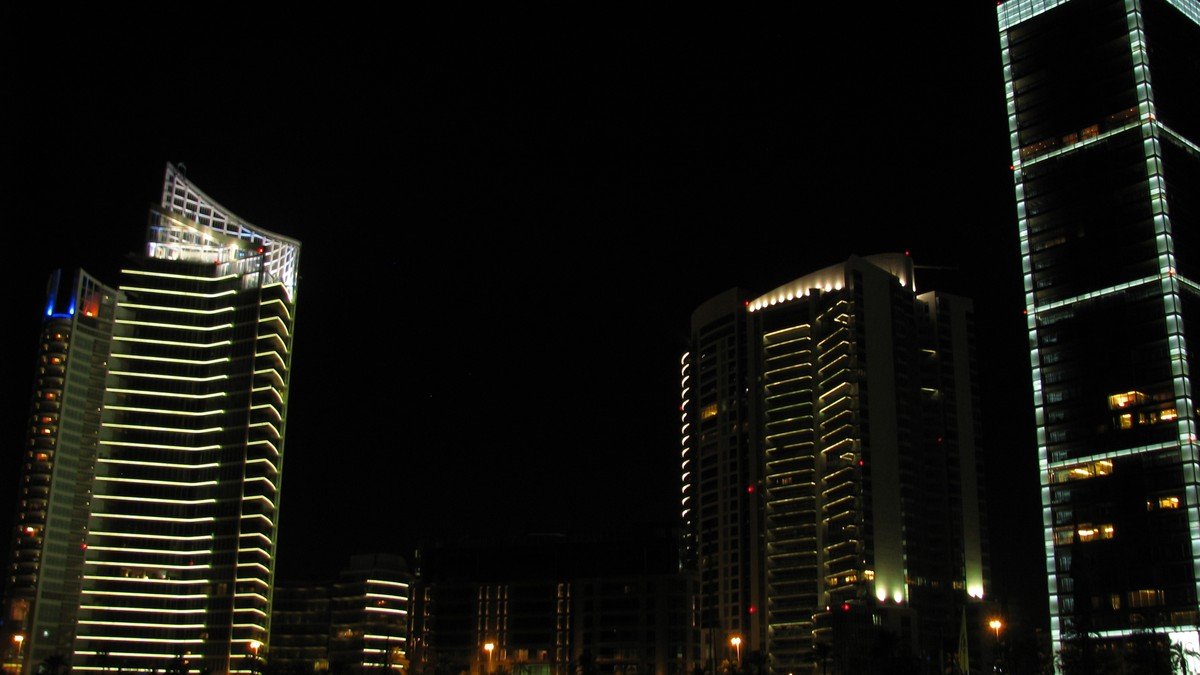
The Israeli Air Force carried out an unprecedented series of massive airstrikes on Friday evening targeting Hezbollah's underground central command headquarters in the densely populated Dahiyeh district of southern Beirut. The deafening bombardments shook buildings across the Lebanese capital, sending enormous clouds of black and orange smoke billowing thousands of feet into the sky and reducing several multi-story residential apartment buildings to pulverized concrete.
According to military analysts and eyewitness accounts, Israeli fighter jets deployed specialized ground-penetrating bunker-buster munitions designed to reach subterranean installations buried beneath civil infrastructure. The violent detonations created extensive craters throughout the Haret Hreik neighborhood, burying vehicles under heaps of rubble and shattering storefront windows across surrounding municipal districts.
Heavy Bunker-Busting Strikes Rock the Lebanese Capital
In a televised briefing delivered shortly after the bombardment, Israel Defense Forces spokesperson Rear Admiral Daniel Hagari confirmed that Israeli jets had carried out a precision strike on the central military node of Hezbollah. Hagari asserted that the leadership facility had been deliberately built underneath civilian residential compounds to serve as a command center for coordinating missile barrages against Israeli communities.
Emergency response sirens wailed through the choked streets of Beirut as dozens of ambulances, fire engines, and civil defense rescue teams rushed to the blast epicenters. First responders used heavy excavators, cutting torches, and sniffer dogs to sift through smoking mounds of mangled steel and debris in a desperate search for survivors trapped in collapsed basement levels.
“The IDF conducted a precise strike on the central headquarters of the Hezbollah terror organization, embedded under residential buildings in the heart of Dahiyeh.”
Mounting Casualties and International Fears of All-Out War
The Lebanese Ministry of Public Health announced that the strikes resulted in numerous deaths and hundreds of severe injuries, with casualty tolls expected to climb substantially as rubble clearance operations proceed through the night. Prime Minister Najib Mikati, who was attending the United Nations General Assembly in New York, denounced the attack as an act of genocidal aggression and abruptly truncated his international itinerary to return to Beirut.
The strike on Hezbollah's primary command infrastructure represents the most profound escalation in the cross-border confrontation since hostilities reignited nearly a year ago. Diplomatic missions across the region reported frantic behind-the-scenes communications between Western capitals, Arab states, and Tehran in an urgent attempt to avert an uncontrollable regional conflagration spanning multiple fronts.
Comments (0)
Log in to join the discussion.