

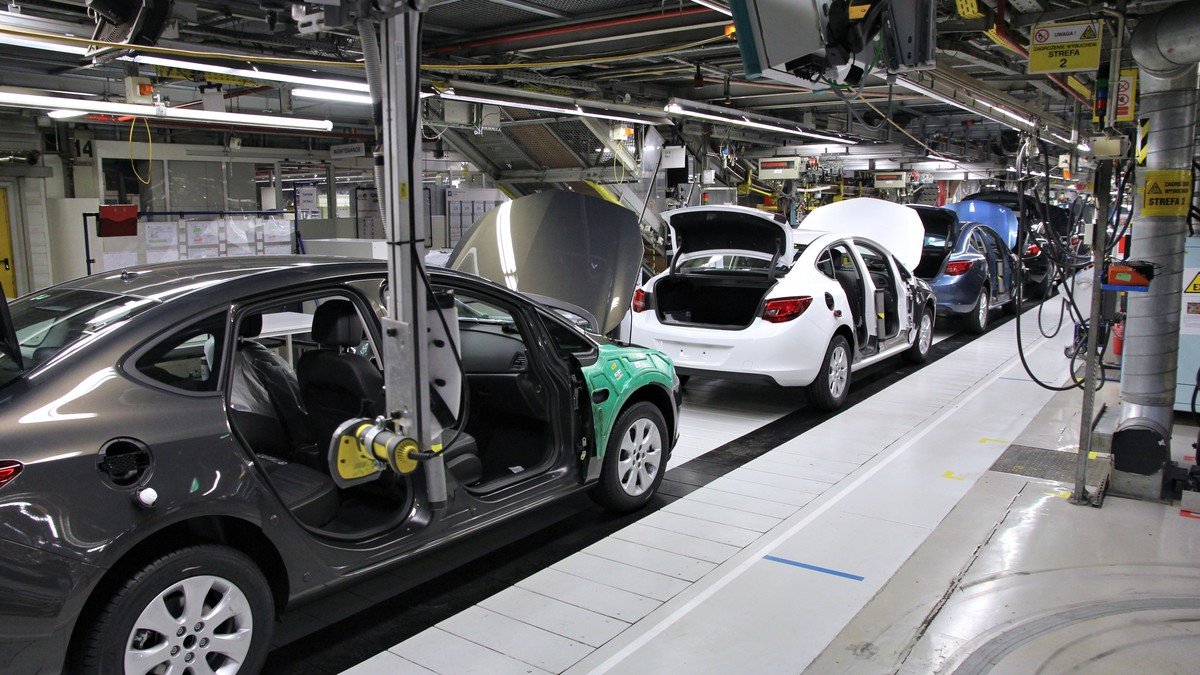
Toyota Motor Corporation reported an 11.2 percent year-on-year decline in worldwide vehicle production for August, producing 708,371 units. The downturn extends the Japanese automotive giant's manufacturing slump to seven consecutive months, highlighting persistent headwinds stemming from domestic regulatory certification fallout, extreme weather disruptions, and intensifying price wars across key international markets.
In Japan, Toyota's domestic production plunged 22.2 percent to 220,131 vehicles. Assembly lines ground to a complete halt late in the month as Typhoon Shanshan barreled across central and southwestern Japan, forcing the precautionary closure of all 14 domestic assembly plants. The severe storm compounded disruptions from production suspensions on popular models, including the Yaris Cross and Corolla Fielder, mandated by the Ministry of Land, Infrastructure, Transport and Tourism following certification irregularities.
Domestic Factory Suspensions and Severe Storm Disruptions Hammer Assembly Lines
Overseas manufacturing operations also faced significant downward pressure, declining 5.3 percent to 488,240 vehicles. In China, the world's largest automotive market, Toyota's output tumbled 13.5 percent to 108,460 units. Domestic Chinese electric vehicle manufacturers, led by BYD, have engaged in aggressive price-cutting campaigns, capturing substantial market share from traditional foreign automakers.
In North America, production dipped 4.4 percent to 160,268 units due to scheduled model changeovers and temporary component shortages affecting light truck lines. Despite the output slump, Toyota's global retail sales proved comparatively resilient, declining just 3.7 percent to 826,863 vehicles, bolstered by robust demand for hybrid powertrains across Europe and North America.
“We continue to inspect and reinforce internal compliance procedures while normalizing manufacturing lines disrupted by severe typhoon stoppages across central Japan.” — Toyota Motor Corporation Global Communications
Fierce Chinese EV Competition and Supply Chain Headwinds Cloud Outlook
To restore regulatory confidence, Toyota Chairman Akio Toyoda and executive management initiated an exhaustive overhaul of testing protocols and internal quality auditing frameworks. Independent monitors have been embedded within engineering departments to ensure strict compliance with international type-approval benchmarks.
Looking toward the final quarter of the fiscal year, industry analysts project a gradual recovery in Toyota's manufacturing cadence as domestic production bans lift and plant operations stabilize. Nevertheless, navigating tectonic structural shifts toward electrification and software-defined vehicles will test the world's top-selling automaker in the months ahead.
Frequently Asked Questions
Why did Toyota's global vehicle production decline in August?
Production fell due to domestic model suspensions after certification scandals, factory shutdowns caused by Typhoon Shanshan, and fierce competition in China.
How did Toyota's retail sales perform relative to its production drop?
Global retail sales fell by a milder 3.7% to 826,863 vehicles, supported by strong consumer demand for hybrid models in North America and Europe.


Comments (0)
Log in to join the discussion.