

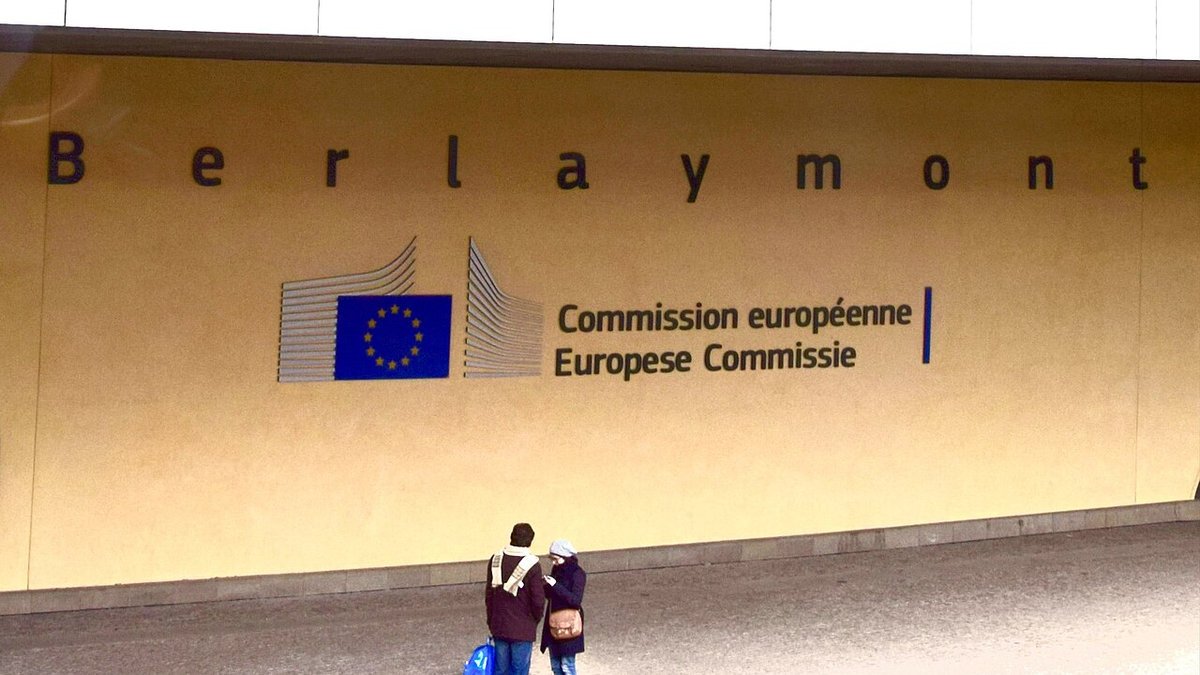
European Union member states on Friday formally voted to approve definitive countervailing duties on battery electric vehicles imported from China, opening the way for duties reaching up to 45.3 percent to take effect in early November.
The landmark vote followed a year-long anti-subsidy investigation by the European Commission, which concluded that extensive state assistance across the Chinese EV supply chain creates an unfair commercial advantage threatening European manufacturing.
Definitive Countervailing Measures Clear Member State Vote
Under the approved measures, individual Chinese automakers will face differentiated tariff rates on top of the standard 10 percent import duty: BYD faces an additional 17 percent, Geely 18.8 percent, and SAIC Motor 35.3 percent.
The diplomatic outcome exposed deep divisions within the 27-nation bloc, with ten countries led by France and Italy voting in favor, twelve abstaining, and five—including Germany and Hungary—voting against over fears of reciprocal trade retaliation.
“Our anti-subsidy investigation established clear evidence that unfair state subsidies threaten European automotive manufacturers. These measures defend fair competition and industrial jobs across the single market.” — European Commission Directorate-General for Trade
Industrial Competitiveness Clashes with Retaliation Fears
German automakers expressed strong dismay at the outcome, cautioning that potential Chinese counter-tariffs on European combustion-engine exports, luxury goods, and agricultural products could severely disrupt supply chains.
The European Commission noted that parallel discussions with Chinese trade officials will continue up until the legal implementation deadline, exploring minimum import price undertakings as an alternative to punitive duties.
Frequently Asked Questions
What is the total maximum tariff EU will levy on Chinese electric vehicles?
The total import tariff will reach up to 45.3 percent, combining the existing baseline 10 percent tariff with new countervailing duties of up to 35.3 percent.
Which EU countries voted against the tariffs?
Five EU nations voted against the duties, most notably Germany, Hungary, Slovakia, Slovenia, and Malta.


Comments (0)
Log in to join the discussion.