

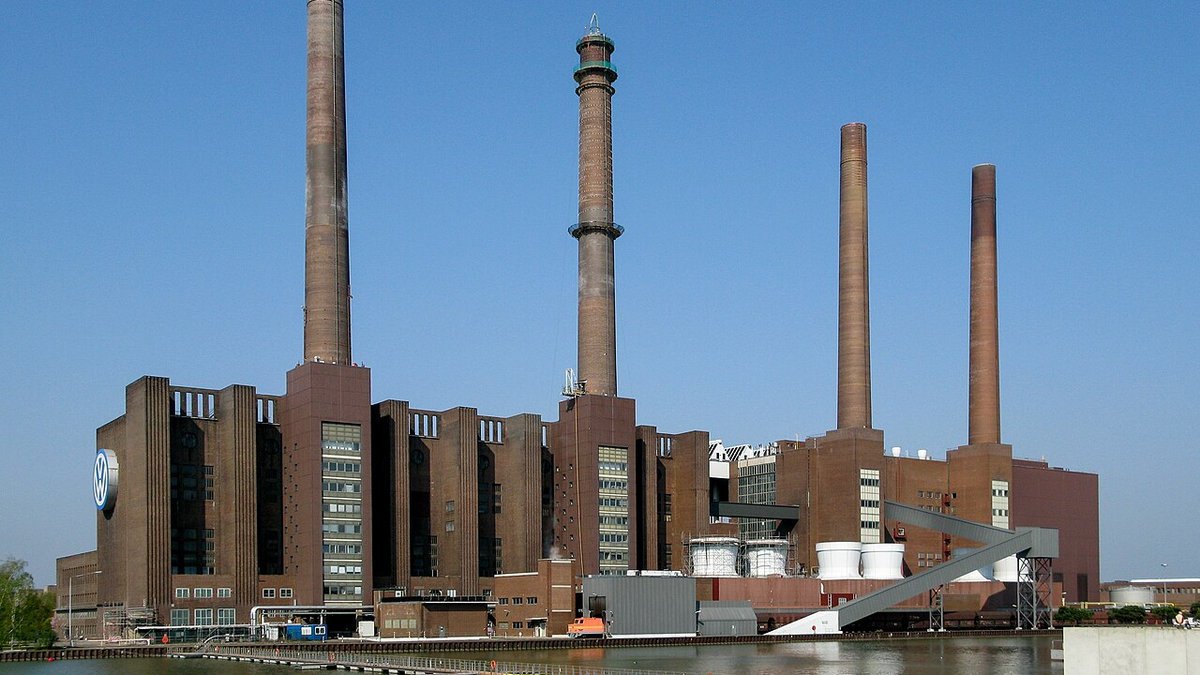
German industrial production suffered a severe blow in August as factory orders contracted by 5.8% compared to the previous month, according to official data released by the Federal Statistical Office (Destatis). The steep decline represents the most pronounced monthly drop in manufacturing demand since January, severely underscoring the deep structural vulnerabilities confronting Europe's largest industrial powerhouse.
The sharp downturn followed a revised 3.9% expansion in July, which had offered fleeting hope of an export-led rebound. However, August data eliminated those gains, largely due to significant volatility in large-scale capital goods orders. The automotive and heavy transport equipment sectors experienced the most severe pullbacks, with transportation equipment orders sinking over 30% month-on-month.
Automotive and Transport Slump Drives Steep Factory Contraction
Economic analysts noted that domestic orders proved somewhat resilient with only a marginal contraction, but international demand deteriorated sharply. Foreign orders from nations outside the eurozone tumbled by double digits, reflecting tepid industrial demand from major trading partners including China and the United States, as well as heightened geopolitical uncertainty.
Energy-intensive branches of German manufacturing continue to grapple with elevated electricity and natural gas expenses that remain uncompetitive relative to international peers. High interest rates imposed across the euro area have further dampened private enterprise capital investment and commercial construction activity, creating a persistent drag on factory order books.
“The substantial slump in August orders reflects severe weakness in foreign demand and structural headwinds in energy-intensive manufacturing across Germany.” — Federal Statistical Office of Germany (Destatis)
Structural Headwinds and Global Trade Stagnation Threaten Recovery
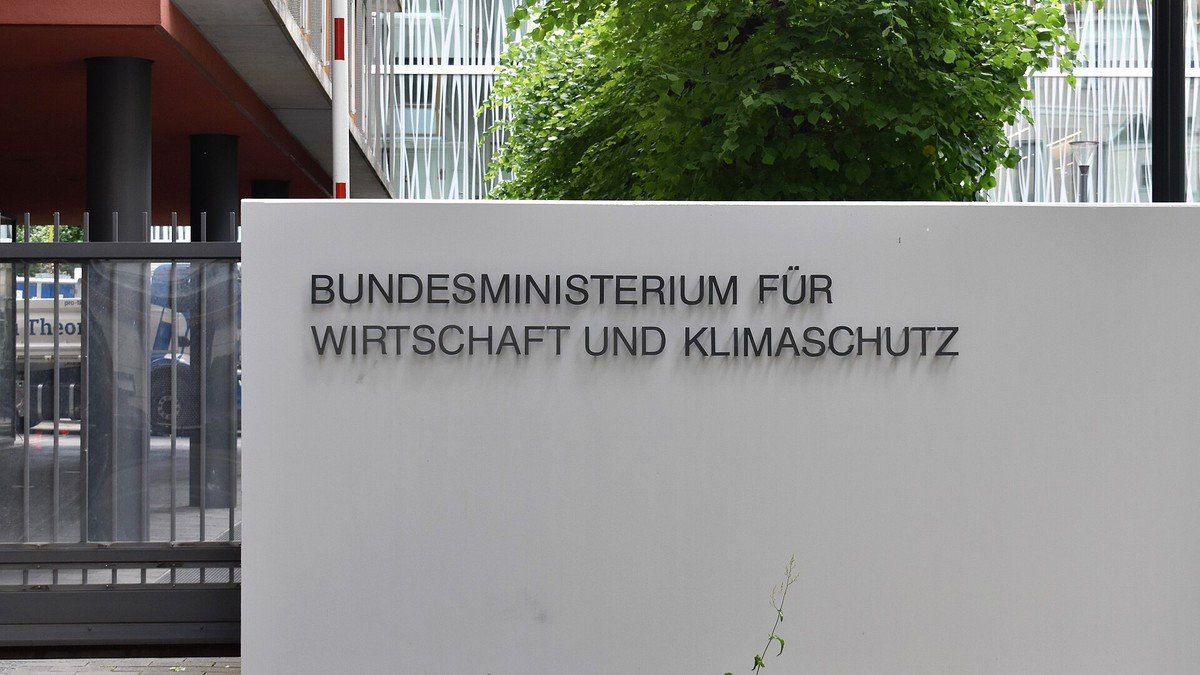
The Federal Ministry for Economic Affairs and Climate Action conceded that sentiment indicators in the manufacturing sector point toward sluggish industrial performance throughout the second half of the year. Business surveys conducted by leading economic institutes indicate that order backlogs are depleting rapidly without adequate replacement by new commercial bookings.
With manufacturing representing nearly a fifth of German gross domestic product, the latest order slump raises the probability of a technical recession for the full calendar year. Policymakers and industrial federations are intensifying calls for corporate tax reforms, energy subsidies, and regulatory relief to safeguard the international competitiveness of German enterprises.
Frequently Asked Questions
How much did German factory orders drop in August?
Factory orders dropped 5.8% month-on-month in August, marking the steepest monthly downturn recorded since January.
Which industrial sectors experienced the biggest declines?
The automotive industry and transport equipment manufacturing recorded the sharpest losses, falling by more than 30%.

Comments (0)
Log in to join the discussion.