

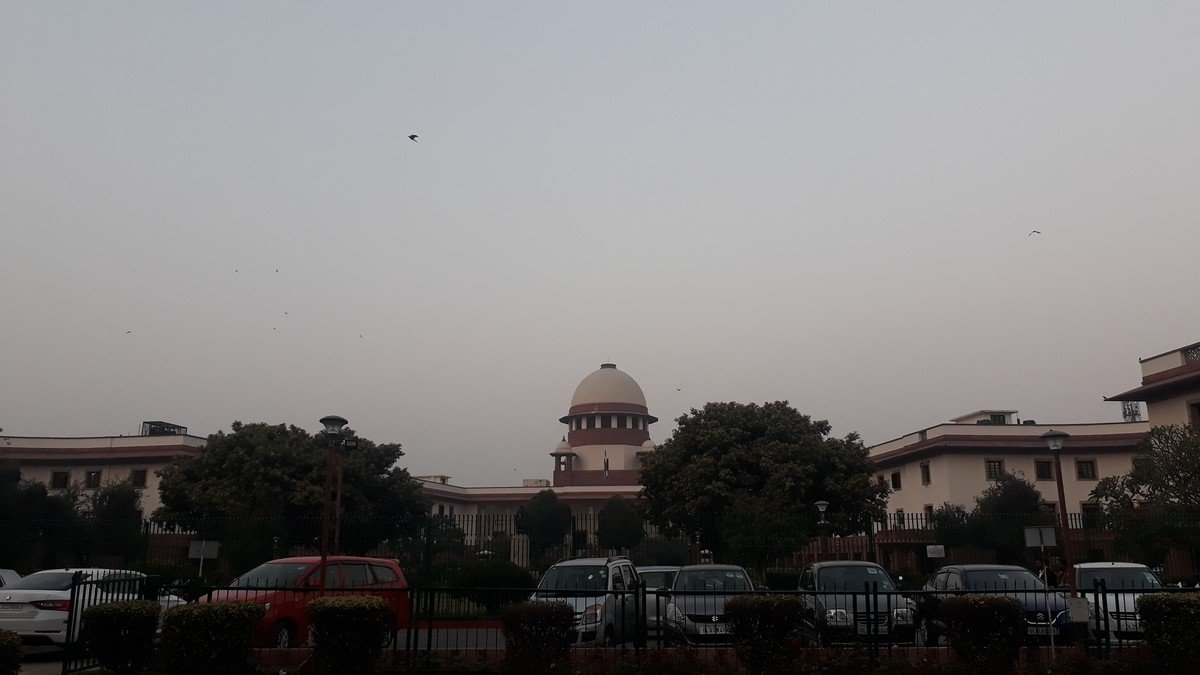
The Supreme Court of India on Tuesday established binding nationwide guidelines curbing the controversial practice of administrative bulldozer demolitions, declaring that the state cannot demolish homes or commercial establishments simply because an owner or resident is accused of a crime. A bench comprising Justices B.R. Gavai and K.V. Viswanathan ruled that punitive demolitions represent a gross violation of Article 21's right to shelter and transgress the fundamental constitutional separation of powers.
Over recent years, several state administrations across northern and central India had increasingly deployed municipal bulldozers within hours of criminal incidents or public protests, flattening houses belonging to suspects under the pretext of municipal building infractions. Human rights advocates and civil liberty organizations petitioned the apex court, arguing that this practice bypassed formal court trials, collective punishment on innocent families, and eroded public trust in legal due process.
Constitutional Guarantees Against Extrajudicial Punishment
Delivering the landmark judgment, the bench firmly rejected arguments presented by municipal counsel that emergency demolitions were routine municipal zoning enforcement actions. The justices observed that when an administration selectively targets the homes of accused individuals while neighboring unauthorized constructions remain untouched, the punitive intent is unmistakable. The court emphasized that the executive branch has neither the legal jurisdiction nor moral authority to pronounce guilt or inflict punishment.
Under the new directions, no demolition of private property may occur without a minimum of 15 days of advance written notice served via registered mail and physically posted on the structure. The notice must explicitly state the specific municipal violations, provide engineering surveys, and grant owners an opportunity for personal hearings before an appellate municipal authority before any physical action can be scheduled.
“An executive cannot become a judge and decide that because a person is an accused, their house should be demolished. The rule of law must prevail over executive arbitrariness.”
Mandatory Procedural Safeguards and Municipal Accountability
The court further mandated that all proceedings, from the initial inspection to the execution of any lawful demolition order, must be videographed and uploaded to a public portal to deter bureaucratic malpractice. Officials found guilty of carrying out arbitrary demolitions in violation of these judicial directives will face contempt of court charges, personal financial liability for rebuilding expenses, and disciplinary proceedings under state administrative services.
Legal scholars and bar councils hailed the verdict as an indispensable reaffirmation of constitutionalism in the world's largest democracy. By re-establishing clear boundaries between the executive and judicial branches, the Supreme Court has safeguarded the sacred constitutional principle that guilt must be established solely in a court of law, not through the hydraulic blade of an earthmover.


Comments (0)
Log in to join the discussion.