

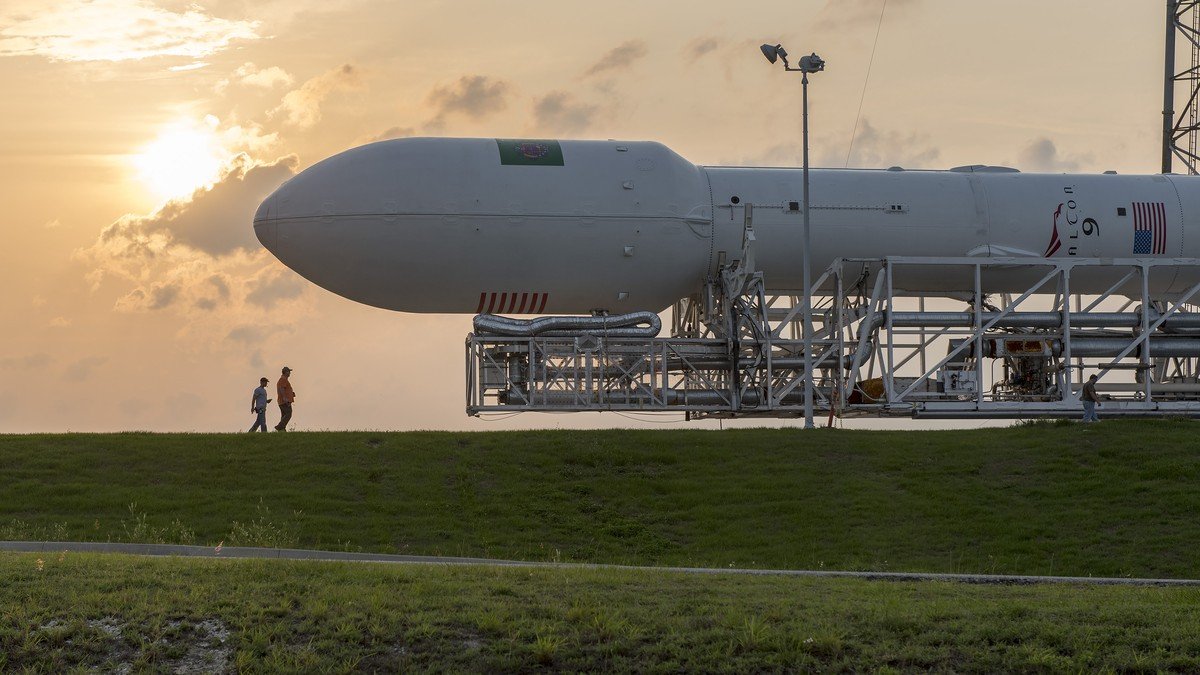
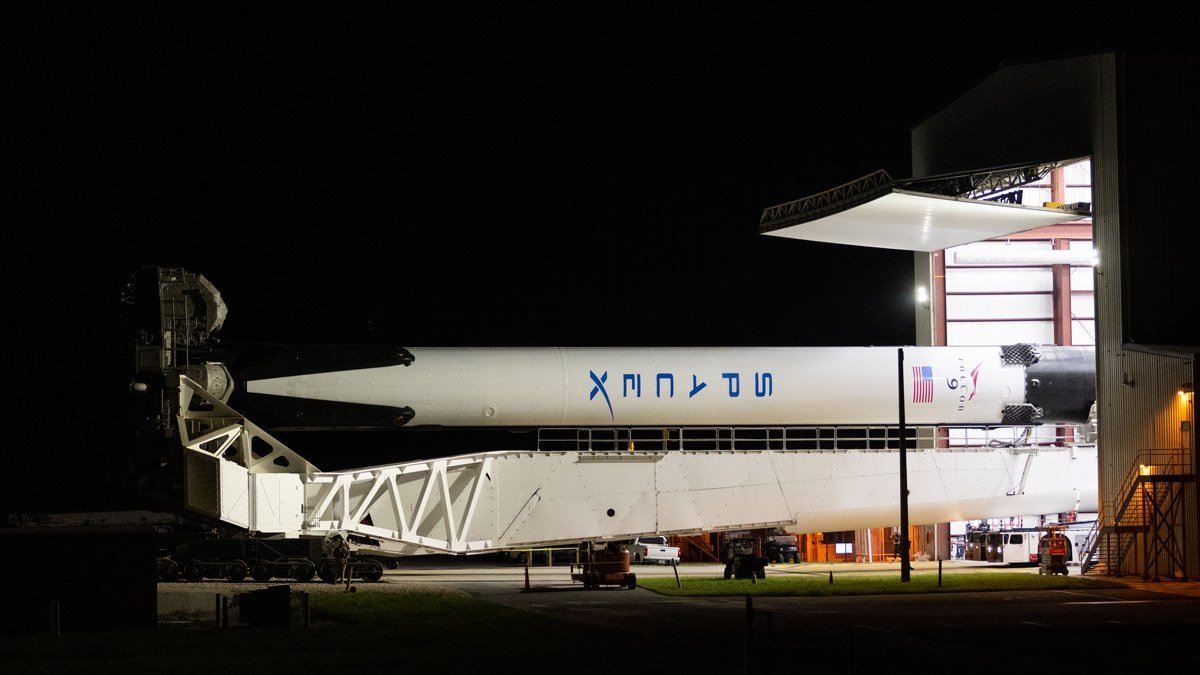
SpaceX and NASA achieved a major operational milestone on Saturday afternoon with the successful liftoff of the Crew-9 mission to the International Space Station. At 1:17 p.m. EDT, a Falcon 9 rocket topped with the Crew Dragon spacecraft Freedom roared into clear skies above Cape Canaveral Space Force Station in Florida, carrying NASA astronaut Nick Hague and Roscosmos cosmonaut Aleksandr Gorbunov into low-Earth orbit.
Unlike previous Commercial Crew rotational flights that carried four astronauts, Crew-9 launched with a intentionally reduced two-person crew and two vacant seats loaded with ballast and extra custom-fitted spacesuits. Those seats are reserved for veteran NASA test pilots Butch Wilmore and Suni Williams, whose eight-day Boeing Starliner Crew Flight Test in June was extended into an eight-month orbital stay following propulsion system anomalies.
Historic First Crewed Liftoff From Space Launch Complex 40
Saturday's liftoff marked the first time in history that human beings launched into orbit from Space Launch Complex 40 (SLC-40). Over the past eighteen months, SpaceX engineers constructed a dedicated crew access arm, an emergency chute escape system, and environmental control infrastructure at the pad to supplement Kennedy Space Center's historic Launch Complex 39A.
Adding human-rating capability to Pad 40 provides NASA and SpaceX with vital launch site redundancy. With Pad 39A slated for upcoming Europa Clipper planetary science operations and future Starship developmental milestones, the dual-pad configuration ensures uninterrupted crew and cargo rotation to the orbiting laboratory.
“Today's launch from Space Launch Complex 40 is a historic milestone for commercial spaceflight, giving us crucial pad redundancy while bringing us one step closer to welcoming Butch and Suni home.”
Reconfigured Manifest and Return Plan for Starliner Crew
During the ascent, the Falcon 9 first-stage booster executed a pinpoint return-to-launch-site landing at Landing Zone 1, while the upper stage experienced a minor off-nominal deorbit burn after safely deploying Crew Dragon Freedom into its targeted orbital insertion trajectory. SpaceX officials confirmed that the spacecraft remained healthy and on course for autonomous docking at the station's Harmony module on Sunday afternoon.
Hague, serving as mission commander and the first active U.S. Space Force Guardian to launch into space since the service's establishment, will join Gorbunov, Wilmore, and Williams as part of the Expedition 72 crew. Over the next five months, the quartet will conduct more than 200 scientific experiments ranging from microgravity blood-clotting research to spacewalk hardware evaluations before splashing down together in February 2025.
Comments (0)
Log in to join the discussion.