

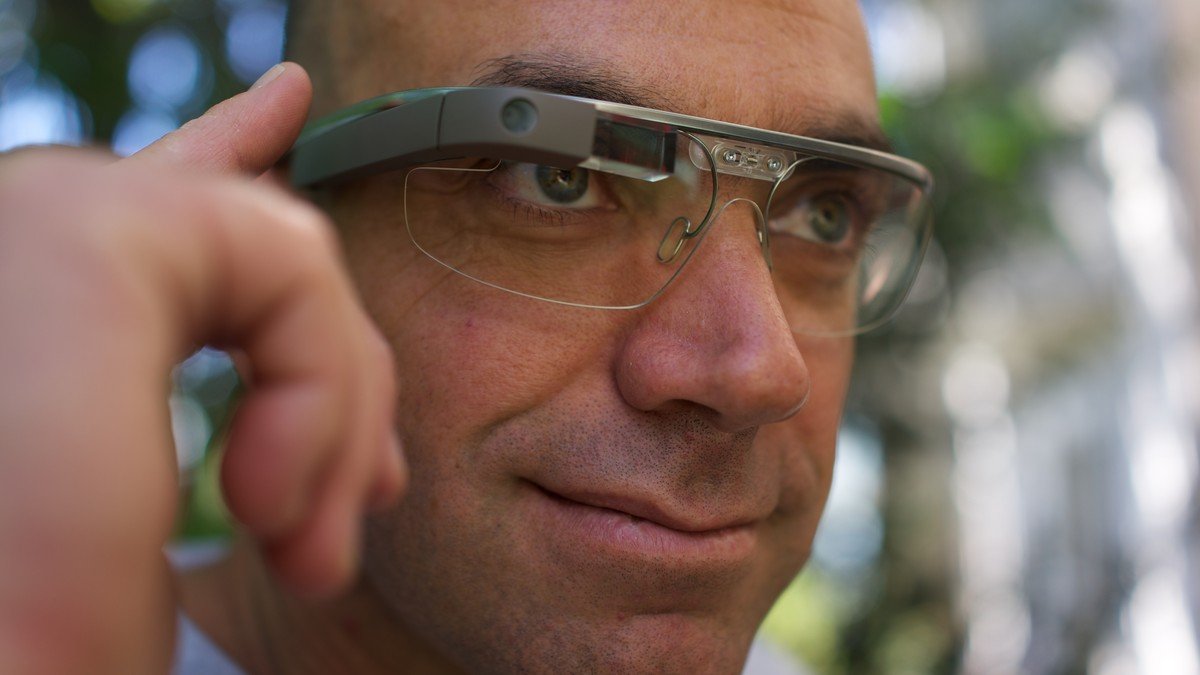
Taking the stage at Meta Connect 2024 in Menlo Park, California, Meta Chief Executive Mark Zuckerberg unveiled 'Orion'—a functional prototype of what the company describes as the most sophisticated holographic augmented reality glasses ever engineered. Ten years in development under Reality Labs, the prototype demonstrates true optical see-through AR within a frame that resembles conventional thick eyeglasses.
Rather than relying on glass or plastic, Orion's lenses are fashioned from specialized silicon carbide, a material with an extraordinarily high index of refraction that directs light with minimal optical distortion. Paired with custom micro-LED projectors capable of generating tens of thousands of nits, the optics project vivid digital holograms across a generous 70-degree field of view, far exceeding existing competitor smart glasses.
Breakthrough Holographic Optics and Neural Wristband Control
Orion introduces a multimodal interaction system combining gaze tracking, spatial voice recognition, hand tracking, and a groundbreaking electromyography (EMG) neural wristband. The wristband detects microscopic electrical impulses from motor neurons in the arm, enabling users to click, scroll, and navigate virtual user interfaces with imperceptible micro-gestures while resting their hands comfortably on their laps.
To keep the frame's weight under 100 grams, Meta offloaded intensive graphics rendering to a wireless compute puck. The pocket-sized companion device houses custom dual processors and connects to the glasses via ultra-low-latency wireless protocols, enabling complex spatial computations without tethering cables or burning battery life.
“Orion is what we believe the next computing platform will look like. It combines a wide field of view with holographic displays and neural wrist interfaces in a form factor you can actually wear.”
Democratizing Spatial Computing with the Budget Quest 3S
While Orion remains an internal development device intended for enterprise partners and software developers due to its astronomical production costs, Zuckerberg outlined a roadmap toward consumer commercialization in the coming years. The company plans to refine manufacturing processes to bring the bill of materials closer to consumer electronics price tiers.
Addressing the immediate consumer market, Meta also launched the Meta Quest 3S, a budget mixed reality headset priced at $299 for the 128GB model. Delivering full-color passthrough and identical Snapdragon XR2 Gen 2 processing power to the premium Quest 3, the Quest 3S is strategically positioned to accelerate mass adoption of immersive gaming ahead of the holiday retail season.



Comments (0)
Log in to join the discussion.