

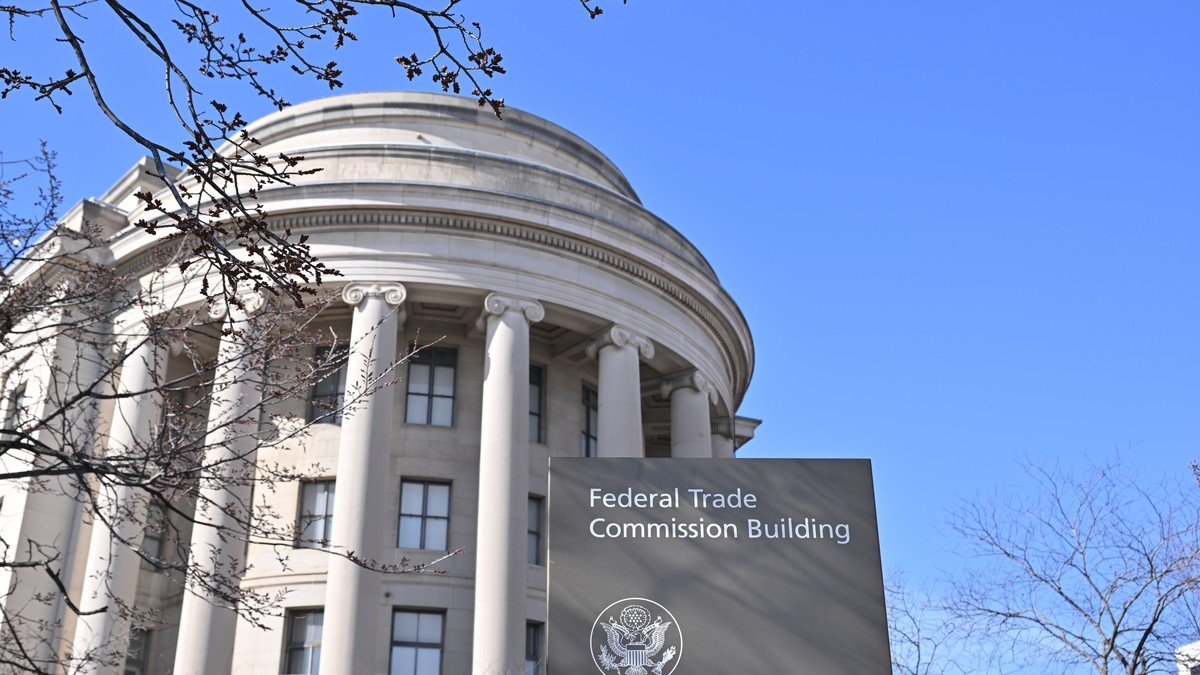
The Federal Trade Commission announced a sweeping regulatory offensive dubbed 'Operation AI Comply' on Wednesday, unveiling five coordinated law enforcement actions against companies that allegedly deployed deceptive artificial intelligence marketing to cheat consumers, peddle bogus business opportunities, and flood digital marketplaces with synthetic fake reviews.
The nationwide enforcement sweep marks the agency's most comprehensive crackdown to date on commercial actors exploiting the artificial intelligence boom to execute deceptive practices. FTC Chair Lina Khan highlighted that bad actors have weaponized machine learning terminology to deceive ordinary consumers and small business owners seeking financial opportunities.
Targeting Synthetic Customer Reviews and Bogus E-Commerce Schemes
Among the targets of the FTC's actions is DoNotPay, a subscription service that advertised itself as 'the world's first robot lawyer.' The FTC alleged that DoNotPay misled consumers by promising its automated software could generate binding legal documents, negotiate bills, and contest parking tickets with the competence of a human attorney, while in reality delivering flawed and untested outputs.
Another prominent action targeted Ascend Ecom, an enterprise that allegedly defrauded aspiring entrepreneurs of tens of thousands of dollars by promising guaranteed passive income through turnkey, AI-powered e-commerce storefronts on Amazon and Walmart. Prosecutors alleged the operation squandered investor capital while delivering none of the promised automated revenues.
“Using AI tools to trick, deceive, or defraud consumers is illegal. There is no AI exemption from the laws on the books, and the FTC will vigorously hold bad actors accountable.”
Enforcing Fundamental Consumer Protection in the AI Era
The agency also brought enforcement measures against companies selling fake AI-generated reviews, including F10 Solution, which fabricated positive consumer testimonials across commercial platforms. Under proposed consent orders, several settling respondents will face steep monetary judgments, mandatory consumer refunds, and strict prohibitions against marketing unsubstantiated AI claims.
Commission officials emphasized that technological novelty does not shield businesses from established statutes governing fair trade. As generative AI proliferates across consumer interfaces, federal regulators signaled that algorithmic audits, deceptive advertising scrutiny, and consumer restitution will remain central enforcement priorities.


Comments (0)
Log in to join the discussion.