

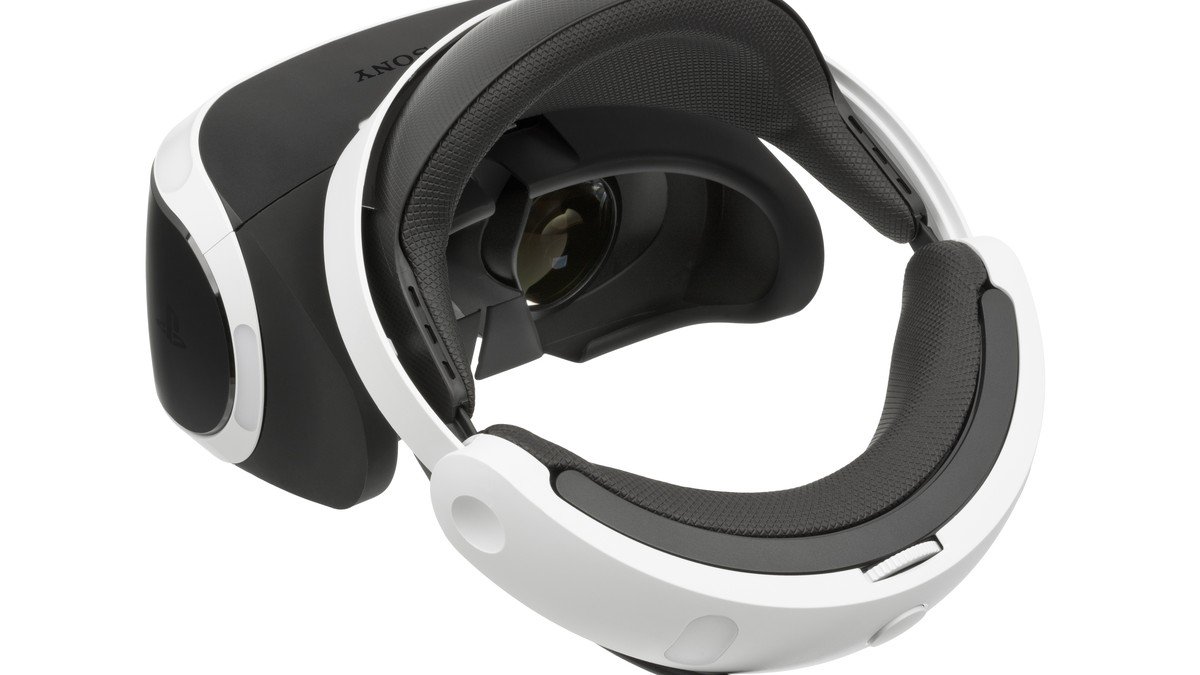
At its annual Connect developer conference in Menlo Park, California, Meta Platforms pulled back the curtain on 'Orion', an experimental pair of standalone holographic augmented reality glasses that Chief Executive Officer Mark Zuckerberg hailed as the pinnacle of the company's decade-long Reality Labs research.
Orion represents the culmination of billions of dollars in advanced optical engineering, packing custom Micro-LED projectors and specialized silicon carbide waveguide lenses into thick black magnesium frames to project crisp digital holograms across an expansive 70-degree field of view.
Orion: Silicon Carbide Optics and the Neural Wristband
Unlike bulky pass-through mixed reality headsets, Orion looks and feels like eyewear, allowing users to see the physical world directly through transparent lenses while overlaying interactive windows, digital avatars, and real-time spatial computing objects directly onto their environment.
User interaction is governed by a multimodal system pairing eye tracking and voice commands with a discreet electromyography (EMG) neural wristband, which detects micro-electrical motor signals traveling from the brain to the fingers, allowing wearers to click and scroll with imperceptible hand gestures resting by their side.
“Many people thought true augmented reality glasses in this form factor were virtually impossible. Orion proves they are real. It is the most advanced technology humanity has ever built.”
Quest 3S and Democratizing Mixed Reality Hardware
While Orion remains an internal prototype limited to research teams and external developers due to high manufacturing costs, Meta delivered immediate commercial news with the Quest 3S, an aggressive $299 mixed reality headset designed to replace the aging Quest 2.
Powered by the same Snapdragon XR2 Gen 2 chipset and high-resolution full-color pass-through cameras as the premium Quest 3, the Quest 3S lowers the financial barrier for mainstream spatial computing ahead of the critical holiday retail season.


Comments (0)
Log in to join the discussion.