

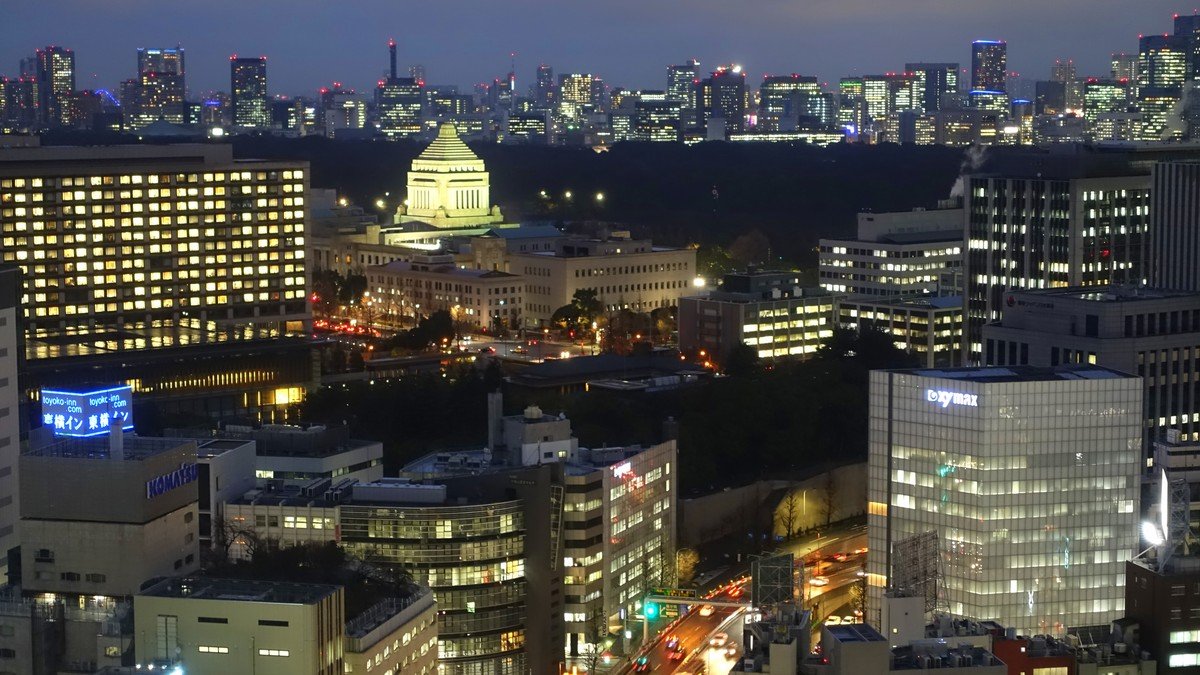
Japan's ruling Liberal Democratic Party (LDP) entered the decisive home stretch of its leadership campaign on September 22, 2026, as frontrunners traded sharp policy arguments in Tokyo over macroeconomic strategy, security doctrine, and party ethics. The high-stakes contest will effectively choose the next Prime Minister of the world's fourth-largest economy.
A historic field of nine candidates is vying to succeed Prime Minister Fumio Kishida, who declined to seek re-election following a fundraising kickback scandal that eroded public approval. Polling across LDP lawmakers and grassroots party members indicates a tight three-way contest among veteran defense expert Shigeru Ishiba, economic security minister Sanae Takaichi, and former environment minister Shinjiro Koizumi.
Clashing Economic Philosophies: Rate Hikes vs. Abenomics Continuation
Economic doctrine emerged as the sharpest point of divergence during the final policy forums. Sanae Takaichi advocated for aggressive fiscal expansion and warned that premature interest rate increases by the Bank of Japan would suppress capital investment and domestic consumption, invoking the core principles of Abenomics.
In contrast, Shigeru Ishiba defended the Bank of Japan's gradual policy normalization, arguing that excessive yen depreciation artificially inflates household energy and grocery bills. Ishiba urged revitalizing regional economies through decentralization, agricultural investment, and tax incentives for regional manufacturing.
“The mandate of the next prime minister is to restore public trust in democratic institutions while guiding Japan securely out of a multi-decade deflationary mindset.”
Rank-and-File Party Ballots Set Stage for Likely Second-Round Runoff
Shinjiro Koizumi, at 43 aiming to become Japan's youngest post-war prime minister, focused his platform on structural labor market deregulation, nationwide digital governance, and lifting barriers to dual-earner households. Koizumi promised immediate political reform measures, including full transparency for political fund expenditures.
Under party election rules, 368 parliamentary votes and 368 rank-and-file member votes will be tallied in the initial round. With votes heavily splintered across nine contenders, analysts anticipate no single candidate will secure an outright majority, making an intense second-round runoff between the top two finishers all but inevitable.
Comments (0)
Log in to join the discussion.