
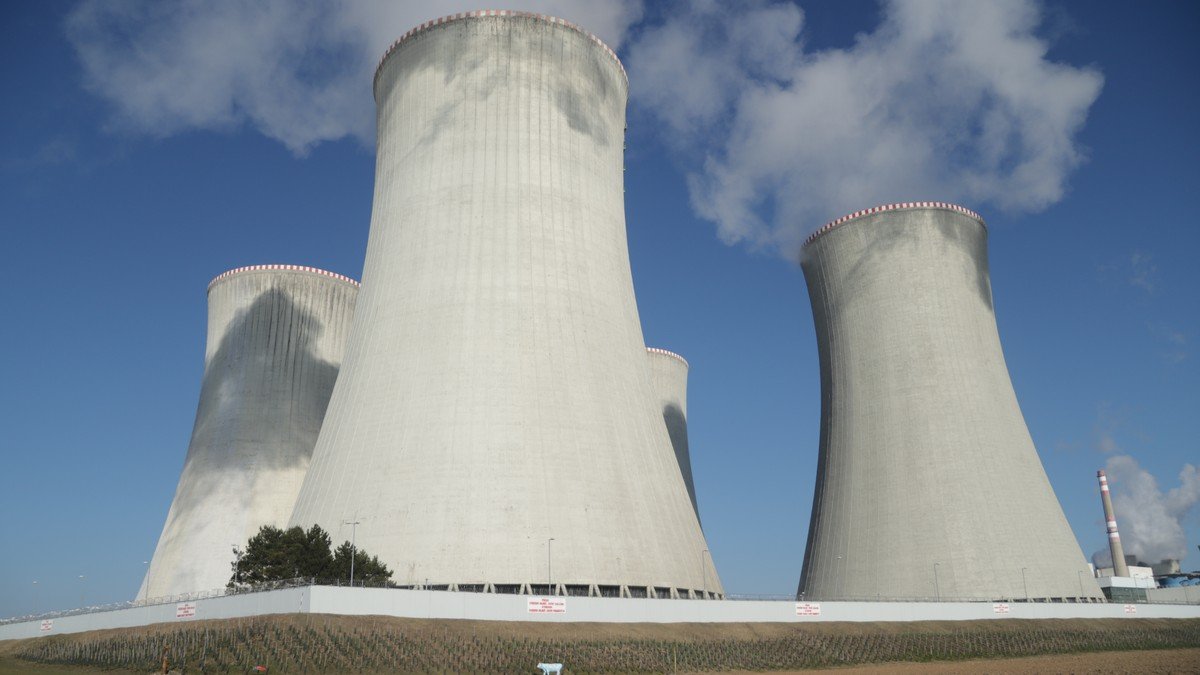
South Korea and the Czech Republic formalized a landmark $18 billion nuclear energy and industrial partnership on September 22, 2026, during high-level bilateral summits in Prague. The comprehensive accords cement Korea Hydro & Nuclear Power (KHNP) as the primary contractor to construct two advanced APR1000 nuclear power units at the Dukovany nuclear station in the southern Czech Republic.
The definitive signing follows months of detailed contractual negotiations after Prague selected the South Korean consortium—which includes Doosan Enerbility, Daewoo Engineering & Construction, and Kepco E&C—over French state utility EDF. The two 1,000-megawatt pressurized water reactors represent the largest single public procurement tender in modern Czech history.
KHNP APR1000 Technology Secures Czech Clean Energy Transition
Commercial terms established that Czech engineering and construction suppliers will secure at least a 60% localization share across the project's supply chain. Prime Minister Petr Fiala emphasized that integrating domestic industrial champions such as Skoda JS guarantees high-skilled employment and ensures domestic sovereign capability to maintain and operate the power blocks over their 60-year operational lifespans.
Construction on the first Dukovany unit is scheduled to commence in 2029, with commercial grid synchronization anticipated by 2036. The project will replace retiring coal-fired generation and aging Soviet-era reactors, advancing the Czech Republic toward statutory carbon-neutrality targets while shielding industrial ratepayers from volatile European natural gas markets.
“This partnership goes far beyond constructing power stations; it builds a generational economic and technological alliance between Seoul and Prague that anchors Central Europe's energy independence.”
Strategic Industrial Alliance Spanning Robotics, Chips, and High-Speed Rail
The bilateral pact also broadens into a multi-sector economic alliance. The delegations signed 26 memorandums of understanding covering collaborative investments in semiconductor research, electric vehicle battery recycling, aerospace components, and the planning of the Czech Republic's upcoming high-speed rail network connecting Prague with Brno and Vienna.
International energy market observers noted that the Dukovany deal firmly establishes South Korea as a premier global nuclear exporter capable of delivering reactors strictly on-time and on-budget. With European nations actively seeking alternatives to Russian nuclear technology, the Prague-Seoul alliance serves as a formidable blueprint for future reactor tenders across Poland, the Netherlands, and Scandinavia.
Comments (0)
Log in to join the discussion.