

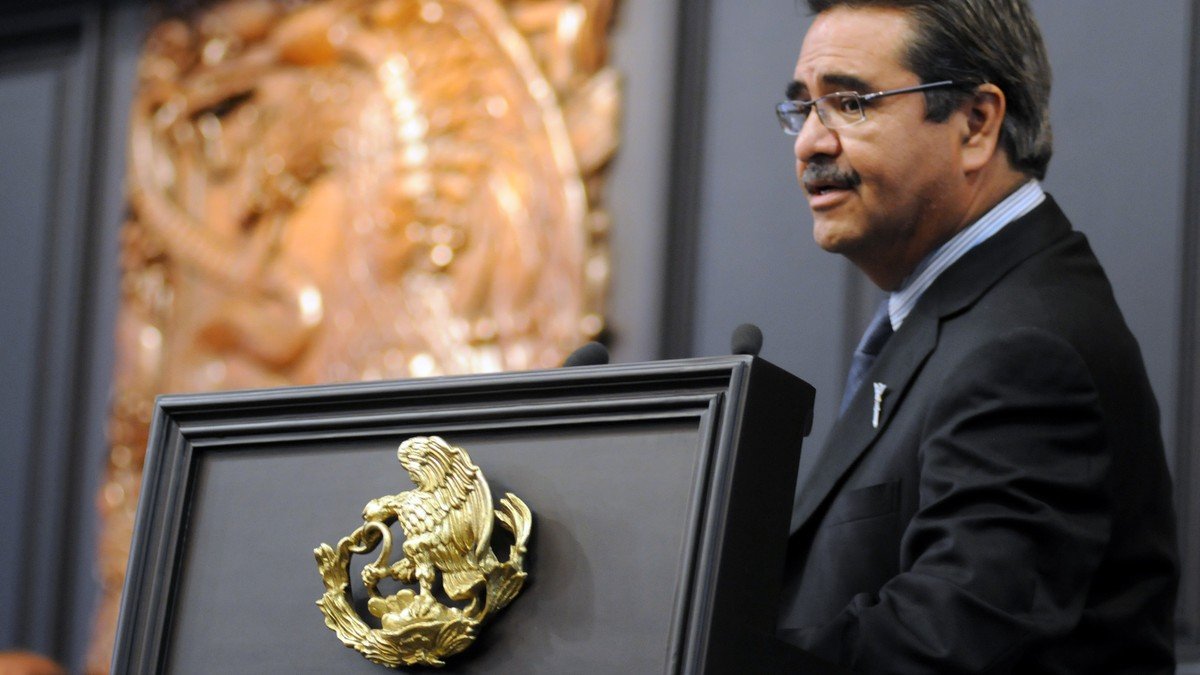
Mexico's Senate voted decisively early Tuesday to pass a sweeping constitutional reform that formally transfers operational, administrative, and budgetary command of the country's 130,000-strong National Guard to the Secretariat of National Defense (SEDENA). The vote marks a permanent structural reorganization of Mexico's public security apparatus, placing domestic civilian policing directly under the armed forces.
The ruling Morena party, working alongside its coalition partners in the Labor Party (PT) and Green Party (PVEM), marshaled a qualified two-thirds supermajority, securing an 86-to-42 final tally following hours of fierce parliamentary debate. The amendment now advances across state legislatures, where Morena commands majorities in well over the 17 state congresses required to enact constitutional changes.
Legislative Victory for the Fourth Transformation Security Blueprint
Championed by outgoing President Andrés Manuel López Obrador and endorsed by incoming President Claudia Sheinbaum, the initiative aims to institutionalize the National Guard to prevent systemic corruption. Government lawmakers argued that civilian police institutions, such as the dismantled Federal Police, had historically been compromised by powerful drug cartels, pointing to the federal narcotics conviction of former security secretary Genaro García Luna in New York.
Under the new constitutional framework, active-duty military personnel assigned to the National Guard retain full military rank, benefits, and jurisdiction under military penal law. The gendarmerie will be empowered to conduct criminal investigations under the direction of the Public Prosecutor's Office, expanding military purview into investigative criminal procedure.
“This reform guarantees that the National Guard will never be corrupted, providing our nation with an honest, disciplined, and enduring institution to defend the Mexican people.”
Human Rights Concerns Over Domestic Law Enforcement Militarization
Opposition senators from the PAN, PRI, and Movimiento Ciudadano strongly condemned the measure, accusing the government of enshrining state militarization and abandoning civil oversight. International organizations, including the United Nations High Commissioner for Human Rights (OHCHR) and Amnesty International, echoed these alarms, stressing that military forces lack specialized human rights training suited for everyday civilian policing.
The constitutional change hands President-elect Sheinbaum an armed force integrated with the army as she prepares to confront escalating turf wars between rival cartels across Sinaloa, Chiapas, and Michoacán.

Comments (0)
Log in to join the discussion.