

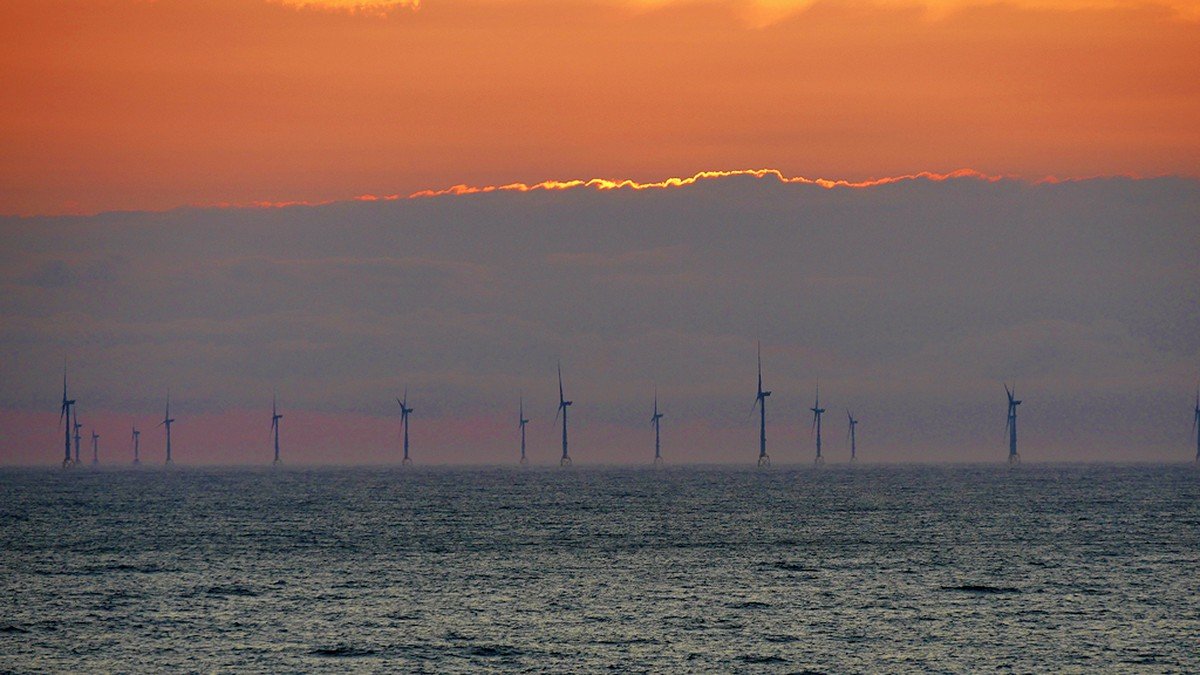
Energy Security and Net Zero Secretary Ed Miliband presented a comprehensive operational roadmap for Great British Energy (GB Energy) at the Labour Party Annual Conference in Liverpool, declaring that the newly established publicly owned clean energy company will spearhead the fastest expansion of renewable power in British history.
Backed by £8.3 billion in Treasury capitalization over the course of this parliament, GB Energy will operate as a strategic investor, developer, and co-owner of zero-carbon energy assets. Miliband reaffirmed that the company's permanent global headquarters will be situated in Aberdeen, positioning the Scottish city as a global hub for offshore wind and green engineering.
Aberdeen Headquarters and The Crown Estate Partnership
A cornerstone of the strategy involves a landmark formal partnership between GB Energy and The Crown Estate, the manager of the seabed around England, Wales, and Northern Ireland. By leveraging public capital and coordinated planning, the partnership is engineered to bring forward up to 20 to 30 gigawatts of new offshore wind capacity, enough to power roughly 20 million homes.
In addition to massive offshore turbines, Miliband announced dedicated funding streams for community-owned energy projects, rooftop solar installations on schools and municipal buildings, and early equity stakes in innovative technologies such as floating offshore wind, tidal energy, and green hydrogen hubs.
“Great British Energy will be a publicly owned company that takes back control of our energy future. We will generate British clean power, owned by the British people, for the benefit of the British people.”
Decarbonizing the Grid by 2030 and Lowering Consumer Bills
The government's overarching target is to decarbonize the United Kingdom's electricity grid by 2030. Miliband argued that the global fossil fuel crisis provoked by Russia's invasion of Ukraine demonstrated the severe geopolitical and financial vulnerability of relying on imported gas, which drove household energy bills to unprecedented peaks.
While clean energy trade associations enthusiastically praised the policy clarity, industry observers cautioned that hitting the 2030 milestone will require overcoming deep supply chain bottlenecks, modernizing grid connections, and retraining thousands of North Sea offshore oil and gas workers for high-skilled renewable careers.



Comments (0)
Log in to join the discussion.