

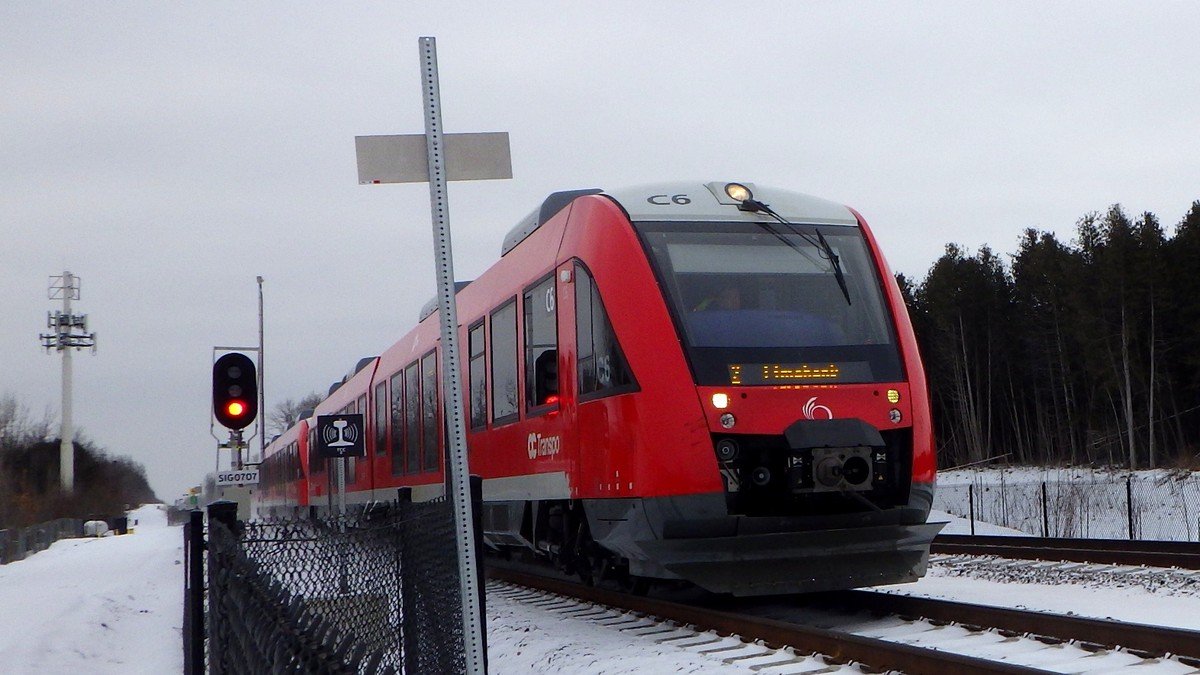
French national railway operator SNCF Voyageurs and rolling stock manufacturer Alstom have officially commenced dynamic track testing for France's first dual-mode hydrogen-electric regional passenger train. The landmark trial marks a decisive step toward eliminating diesel exhaust across the country's extensive non-electrified regional rail network.
Conducted at the railway test center in Bar-le-Duc and along operational track sections in the Grand Est region, the rigorous test program verifies braking performance, acoustic comfort, energy management, and seamless transitions between overhead catenary electricity and rooftop hydrogen fuel cells at speeds up to 160 km/h.
Pioneering Dual-Mode Hydrogen Technology on French Rails
Developed within Alstom's proven Coradia Polyvalent platform, each four-car trainset features a dual-mode hybrid architecture. When traveling along electrified corridors, the train draws power directly from 1,500V or 25kV catenary lines; on unelectrified branch lines, fuel cells convert stored green hydrogen into electricity, producing zero direct emissions other than condensed water vapor.
The trainset carries high-pressure 350-bar hydrogen storage tanks mounted on its central roof structure, integrated with lithium-ion traction battery packs beneath the floor to provide dynamic boost during acceleration and recover regenerative braking energy.
“This inaugural dynamic trial represents a tangible breakthrough for French mobility, demonstrating that zero-emission hydrogen rail can seamlessly replace diesel on secondary lines without costly complete track electrification.”
Decarbonizing Regional Transit Across Four Pilot Regions
Four pioneering French administrative regions—Auvergne-Rhône-Alpes, Bourgogne-Franche-Comté, Grand Est, and Occitanie—have collectively ordered an initial batch of 12 dual-mode trainsets under a €190 million government-backed green transit program. Commercial passenger service is slated to begin in late 2025 and expand fully in 2026.
Regional transport ministers and climate advocacy organizations hailed the milestone as a benchmark for European heavy transit decarbonization. By marrying hydrogen flexibility with high passenger comfort, SNCF and Alstom are laying the technical foundation for a climate-neutral railway future across the continent.


Comments (0)
Log in to join the discussion.