

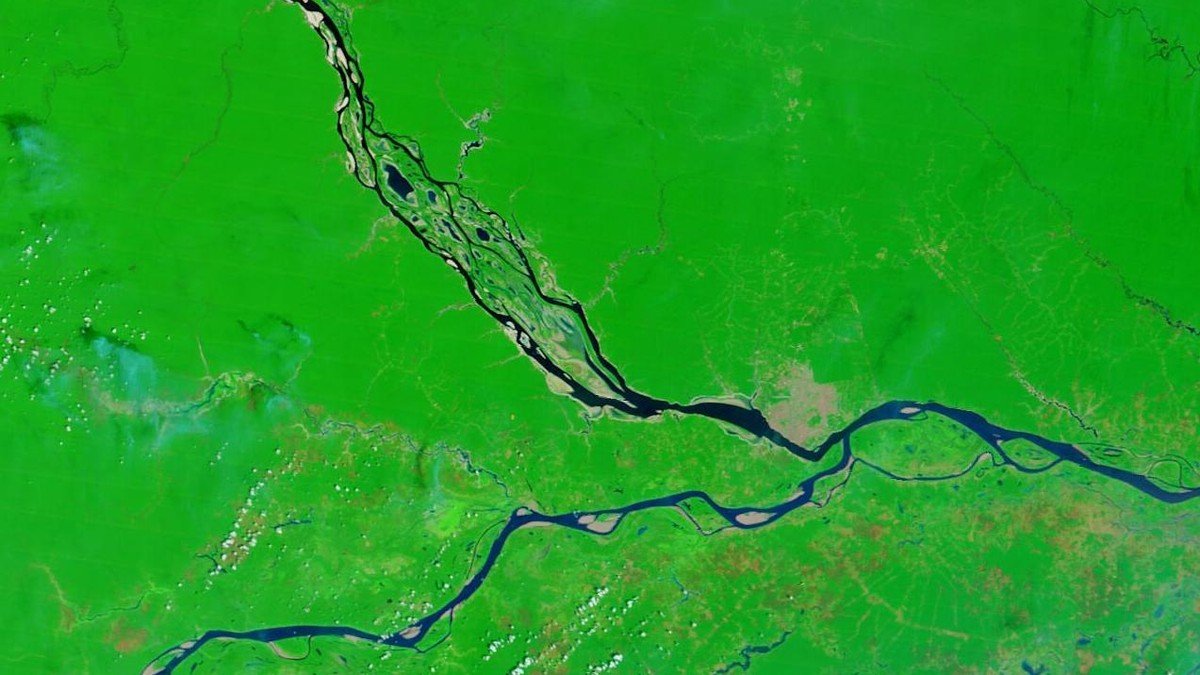
The Amazon River basin is enduring its most punishing hydrological drought on modern record, with hydrological monitoring stations operated by the Geological Survey of Brazil (SGB) recording water levels plummeting past historic minimum marks across key arterial waterways.
At the Port of Manaus, where the Rio Negro converges with the Rio Solimões to form the main stem of the Amazon River, water depth dropped at rates exceeding twenty centimeters per day, threatening to surpass the grim historic record low of 12.70 meters set during the disastrous 2023 dry spell.
Riverside Towns Isolated as Navigable Waterways Dry into Sandbanks
The catastrophic drying of the Rio Madeira, Rio Purus, and Rio Tapajós has effectively severed the sole transportation lifelines connecting dozens of remote riverside and indigenous ribeirinho communities with municipal centers, leaving thousands of families without potable drinking water, fresh provisions, or emergency medical evacuation.
Brazil's National Civil Defense has deployed military transport aircraft, amphibious helicopters, and specialized water-purification kits to isolated jungle settlements, while local authorities declared environmental emergencies across all 62 municipalities of Amazonas state.
“We are facing a hydrologic crisis of historic proportions. Rivers that served as highways for entire communities have vanished into endless sandbars, requiring an unprecedented humanitarian mobilization.”
Economic Shock to the Manaus Free Trade Zone and Supply Chains
The river crisis has dealt an acute economic blow to the Manaus Free Trade Zone (Zona Franca de Manaus), South America's premier electronics and motorcycle manufacturing hub. Major maritime container carriers, including Maersk and MSC, were forced to suspend container barge navigation along the Amazon River due to shallow shoals and exposed rocky outcrops.
The Brazilian Ministry of Ports and Airports has authorized emergency dredging contracts valued at over 500 million reais to carve deeper navigable channels through critical bottlenecks at Tabocal and Enseada do Madeira, attempting to restore freight mobility before regional assembly plants exhaust raw material inventories.
Comments (0)
Log in to join the discussion.